
Last updated November 25, 2026
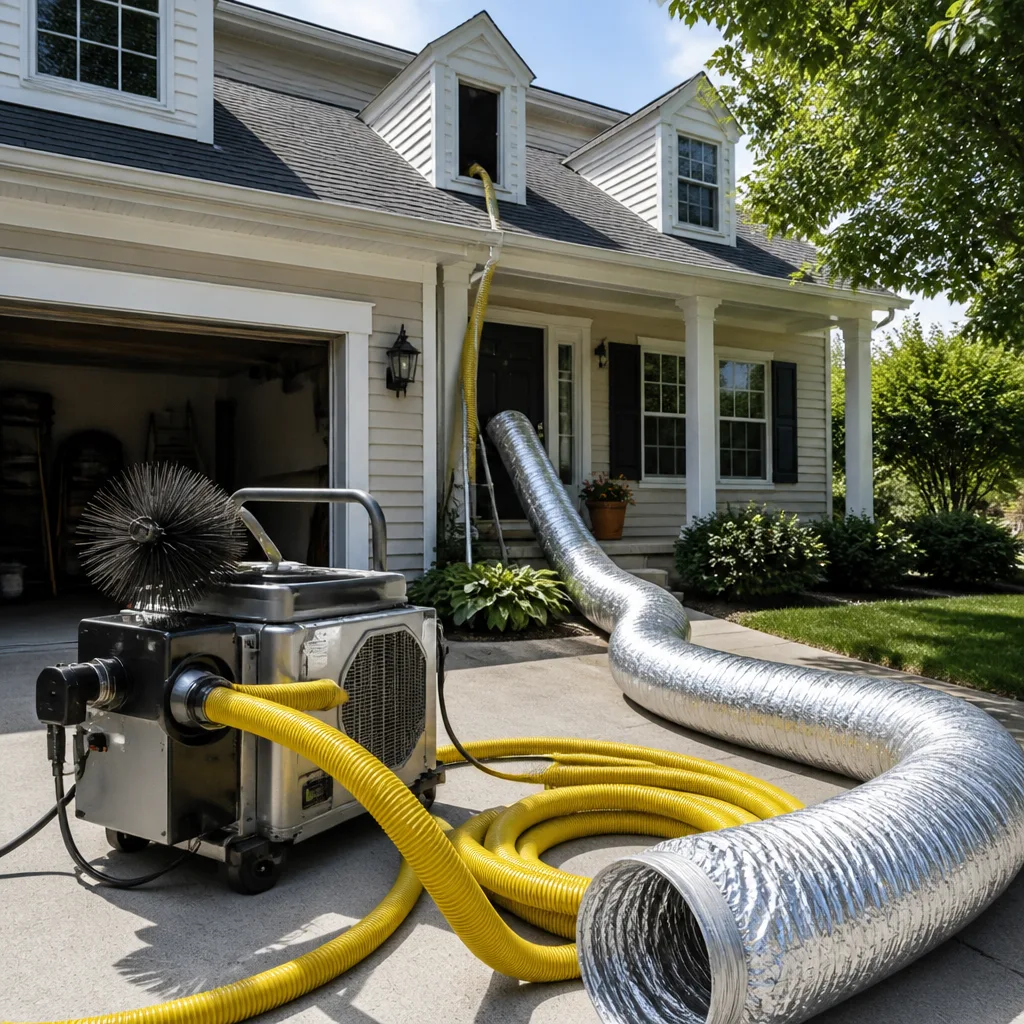 Whole-home duct cleaning
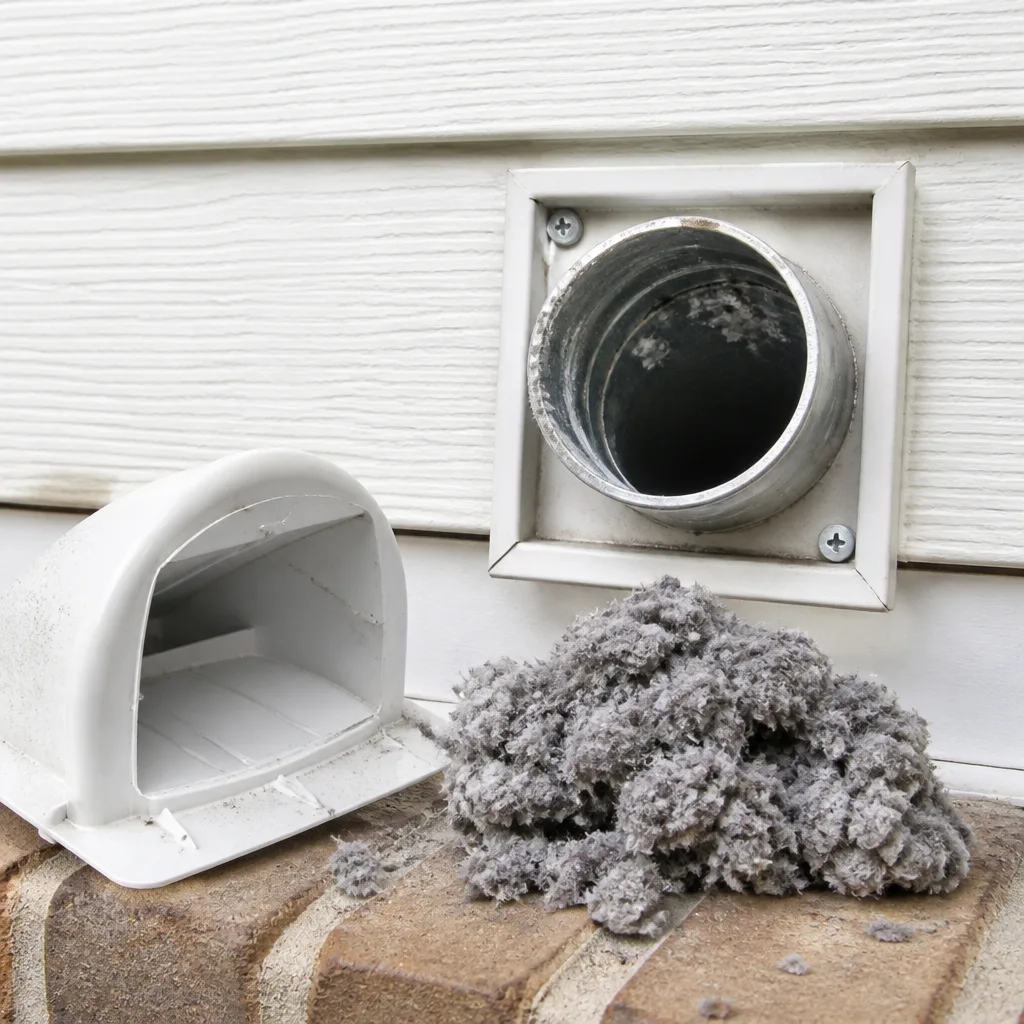 Dryer vent cleaning
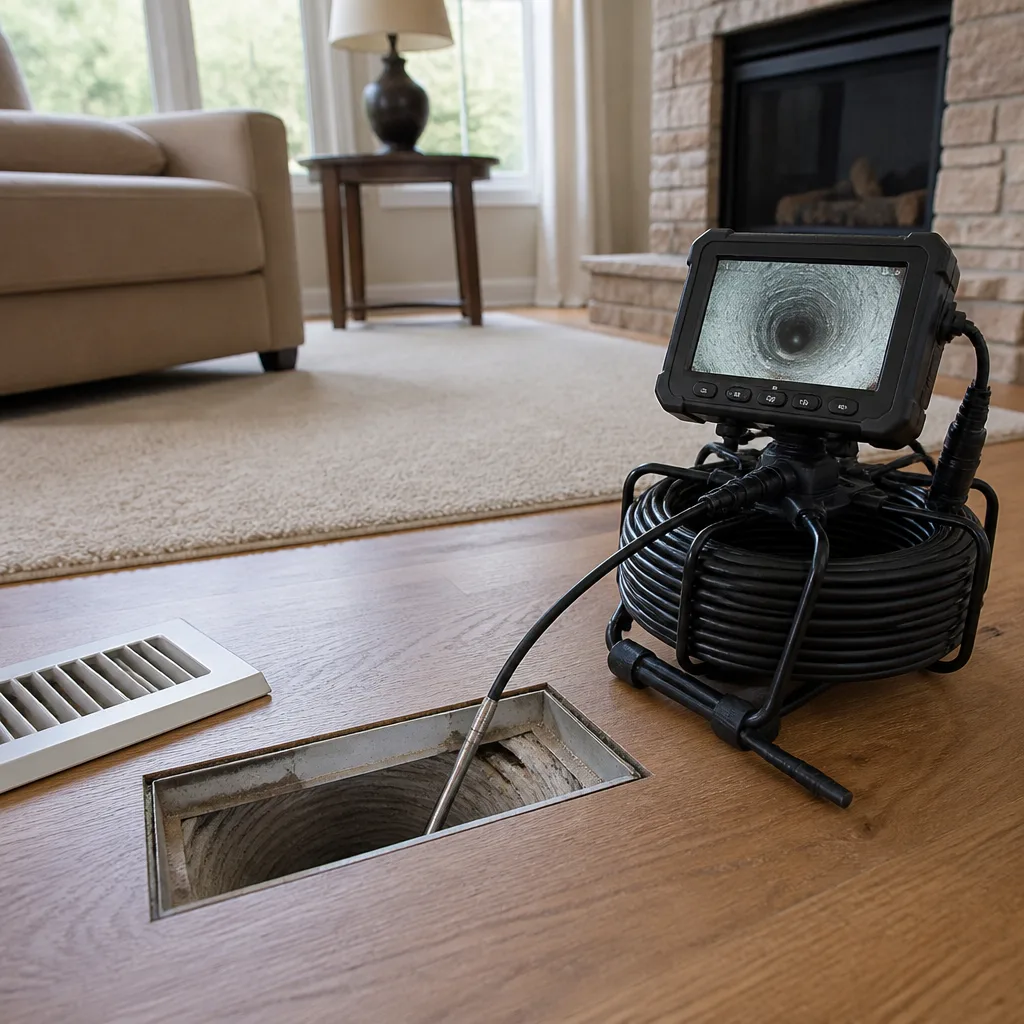 Camera inspection
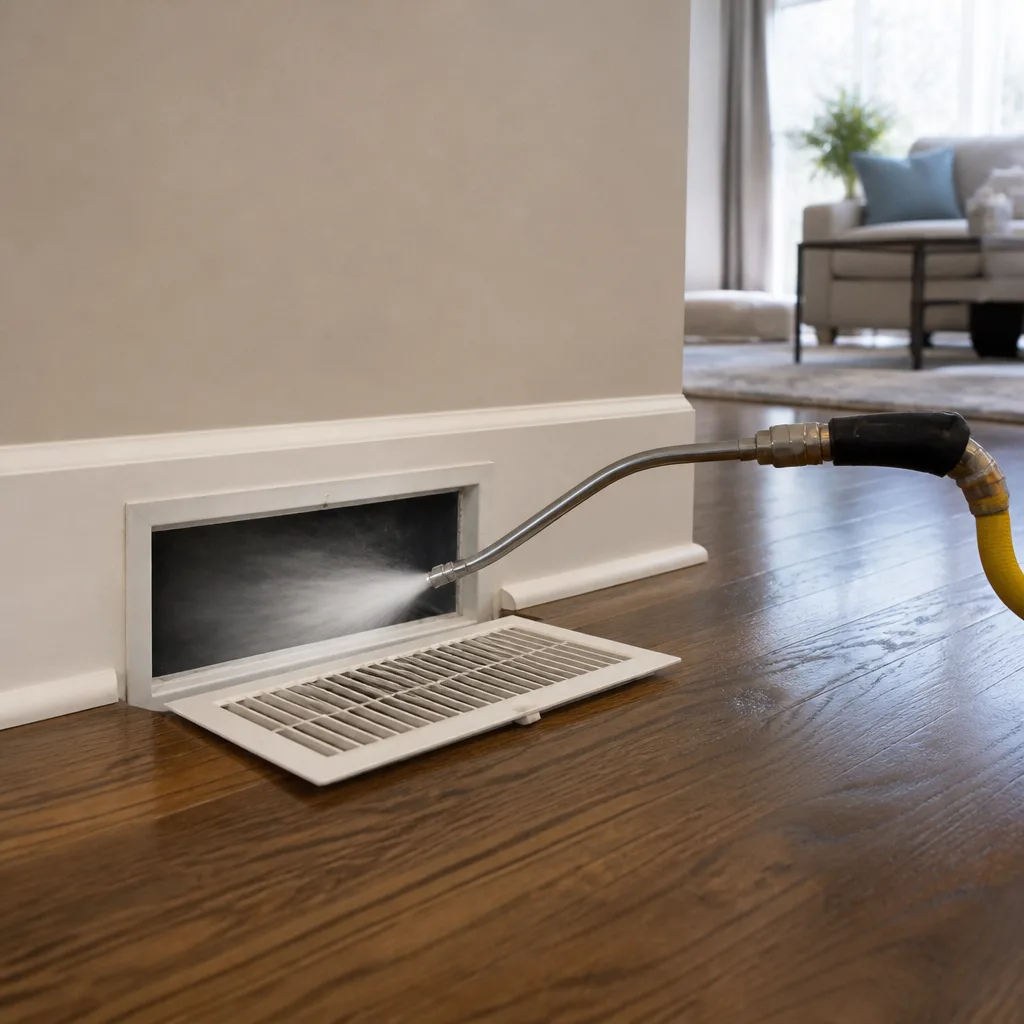 Sanitizing & deodorizing
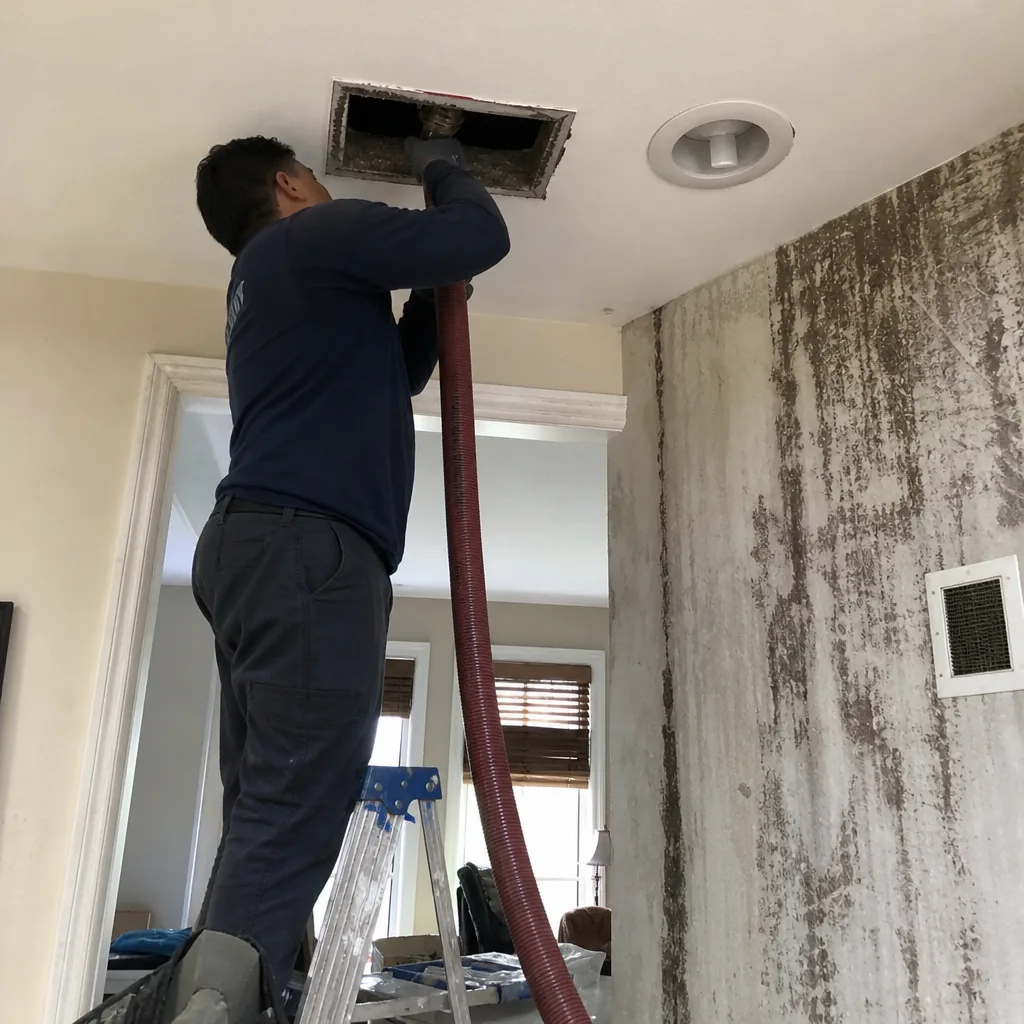
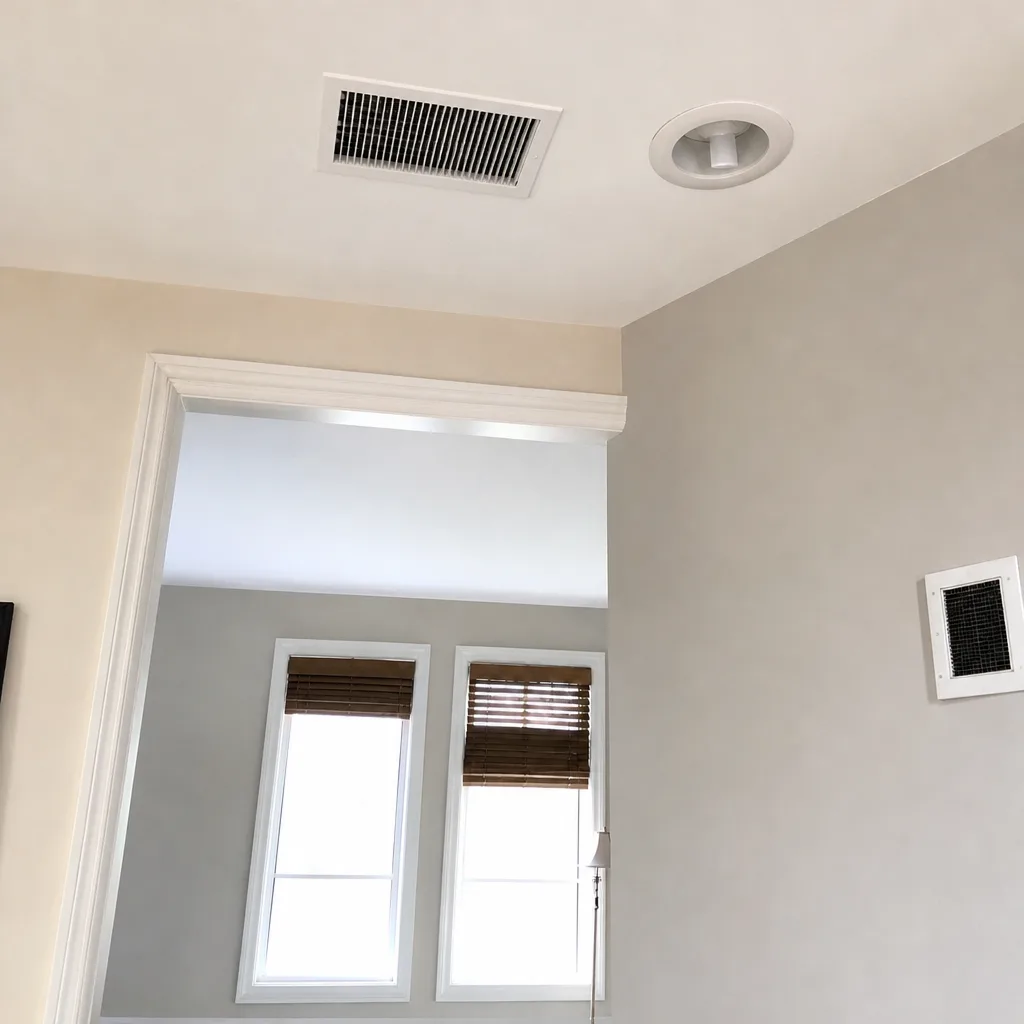
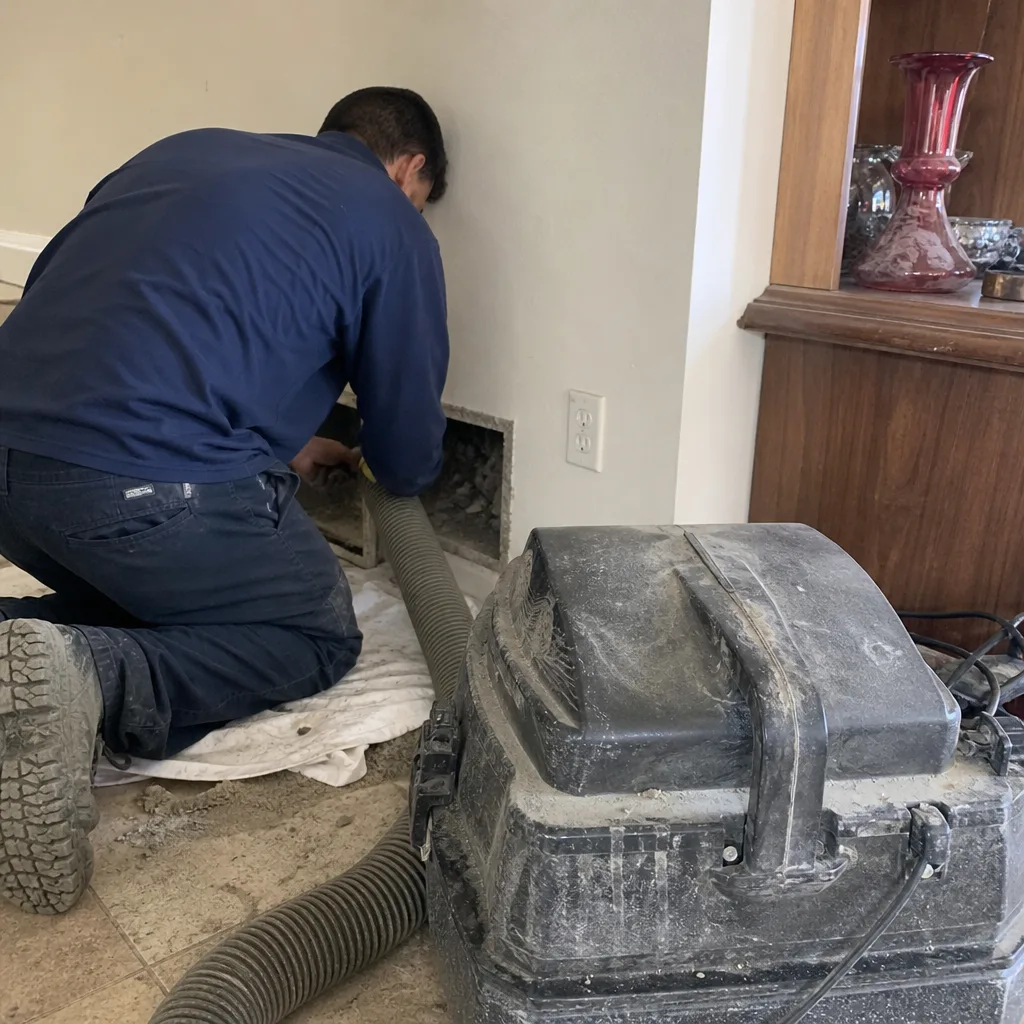
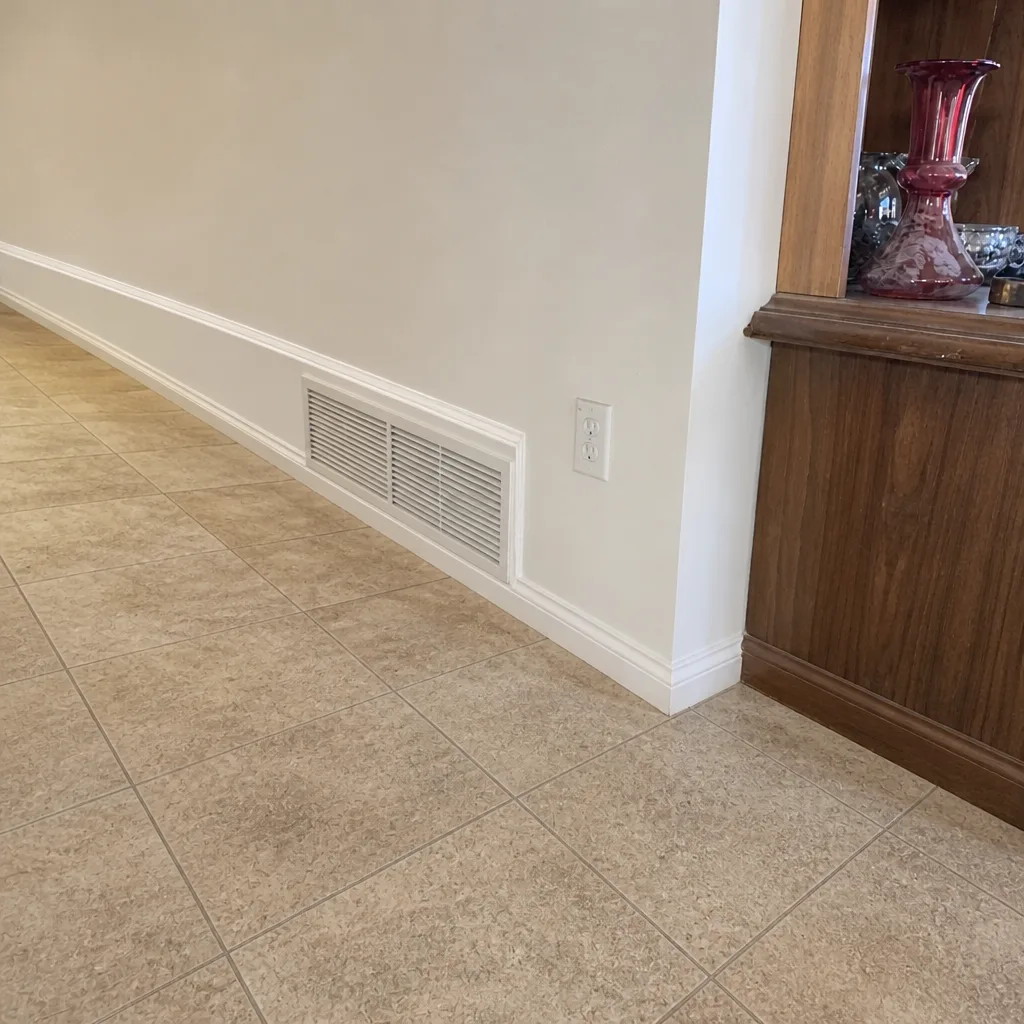
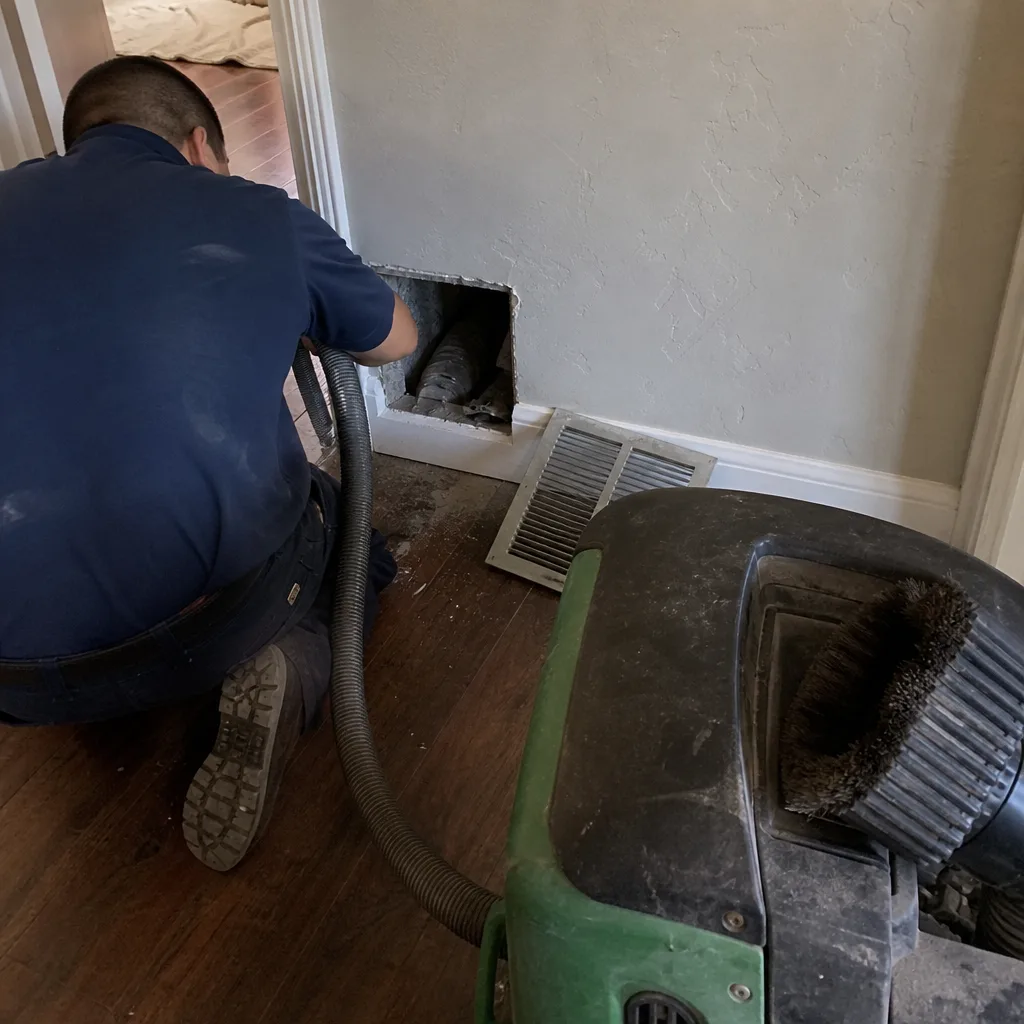
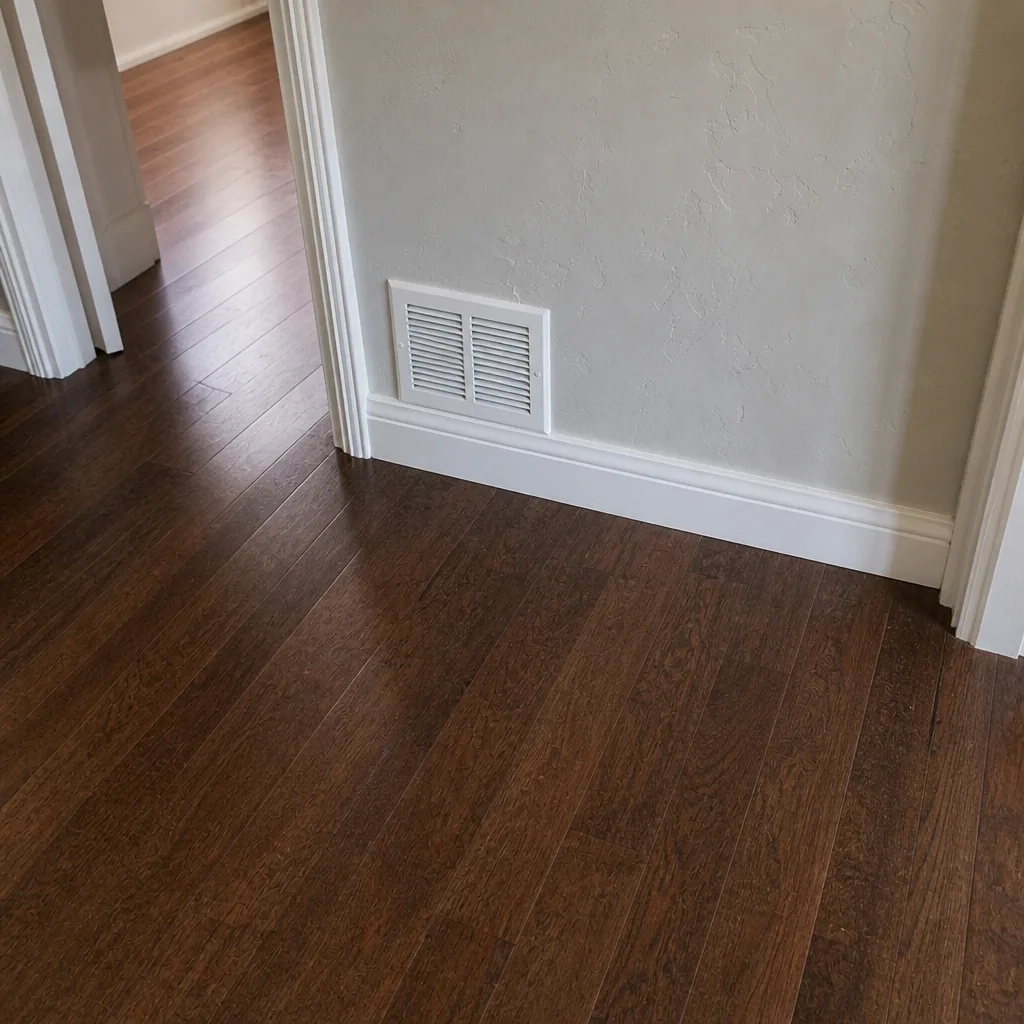
Whole-system duct and dryer vent check with before-and-after photos - you see exactly what came out of your vents
That "$99 whole-house special" is a bait ad - the real number appears once they are in your hallway, or the "clean" is a shop-vac at the register. We photograph the inside of your ducts before and after instead.
Air Duct Cleaning Emergency Preparedness Guide for Tustin Homes
Most Tustin homeowners think about duct cleaning as routine maintenance – something you get to when the house feels dusty. The harder truth is that the most important duct work you’ll ever schedule is the cleaning you do after a smoke event, not before. The 2020 Silverado Fire pushed Tustin-area air quality past AQI 300, and homes that kept their HVAC running through that window likely pulled fine smoke particulate deep into duct liner, where a standard sweep won’t reach it. This guide walks through the 72-hour HVAC protocol after a smoke event, how different duct materials hold contamination, what to document for insurance, filter strategy, and how to tell a real post-emergency decontamination contractor from a standard cleaner taking on work outside their scope. Tustin sits within reach of active wildfire zones, so this is planning, not paranoia.
Quick Answer
After a wildfire smoke event in Tustin, the correct response is to shut down the HVAC system, seal or filter exterior air intakes, and keep the system off until outdoor AQI drops back below roughly 100 – then run the fan on low with a high-MERV filter to purge residual particulate. Professional duct decontamination becomes necessary when smoke odor persists after the air clears, when visible ash or char deposits appear at registers, or when anyone in the home has respiratory sensitivity. A standard cleaning is not the same as post-smoke decontamination, and the difference matters most in flexible duct liner, which traps fine particulate that sheet metal sheds.
Styles & brands we work with
- Whole-home duct cleaning
- Dryer vent cleaning
- Camera inspection
- Sanitizing & deodorizing
Table of Contents
- Why Tustin Homes Face Real Smoke Exposure
- The 72-Hour HVAC Protocol After a Smoke Event
- Flex Duct Liner vs. Sheet Metal: How Each Holds Smoke
- MERV Filter Strategy During Smoke Events
- What to Document for Insurance Claims
- How to Vet a Post-Emergency Decontamination Contractor
- Ongoing Air Quality Setup for Tustin Homes
- Common Mistakes to Avoid
- When to Call a Professional
- Frequently Asked Questions
Why Tustin Homes Face Real Smoke Exposure
Tustin is not adjacent to a wildland interface in the way canyon communities are, but that geographic detail is misleading. What matters is wind direction and regional smoke transport. When Santa Ana winds push a fire toward the coast, the entire valley – Tustin included – becomes a catchment for smoke that settles overnight and lingers in the low-lying areas around the 5 and 55 freeway corridors. Homes near Old Town Tustin, the neighborhoods around Tustin Ranch, and the older tracts off Newport Avenue all sit in that settling pattern.
The 2020 Silverado Fire is the clearest recent example. Air quality readings across the Tustin area topped AQI 300 during the worst windows. At those levels, particulate matter small enough to reach deep lung tissue (PM2.5) is also small enough to pass through standard return-air filters and coat the interior surfaces of your duct system. Most of it never gets filtered; it just deposits.
What most homeowners don’t realize is that the contamination load depends less on how close the fire was and more on what the HVAC system was doing during the event. A system running continuously during high-smoke hours acts as a pump, pulling outdoor infiltration into the ductwork and distributing it across every room. A system shut down and sealed has a fraction of the exposure. That single decision in the first hour is the most consequential one you’ll make.
This is the premise behind the whole guide: in Tustin, post-wildfire duct decontamination is a real scenario, not a hypothetical, and most households have no plan for it.
The 72-Hour HVAC Protocol After a Smoke Event
The first 72 hours after a smoke event determine how much contamination ends up in your duct system. Here’s the sequence we recommend for Tustin homes, in order:
- Hour 0 to 6: Shut the system down. Turn the thermostat to OFF, not to FAN. Close all windows and exterior doors. If you have a fresh-air intake or an economizer, close or damper it manually.
- Hour 6 to 24: Monitor outdoor AQI. Watch a real-time AQI reading for the Tustin zip code. As long as the reading stays above roughly 150, keep the system off.
- Hour 24 to 48: Swap the filter before restarting. Even a system that ran only briefly will load a filter with smoke particulate. Replace it with the highest MERV rating your system’s blower can handle – typically MERV 13 for most residential systems, but check your equipment spec.
- Hour 48 to 72: Restart on fan-only, low speed. Once outdoor AQI drops back under 100, run the system fan (no heating or cooling) on low for a few hours to circulate and filter indoor air. This is deliberate, controlled purging, not a normal operation.
- After 72 hours: Check for persistent odor or visible deposits. Sniff at a few supply registers. Look at the register grilles for soot or ash film. If either is present, the system needs professional decontamination, not another filter swap.
The mistake most Tustin homeowners make is the opposite: they keep the system running during a smoke event because they think circulating and filtering the air is helping. It isn’t. During heavy smoke, the system moves more contaminated air into the duct liner faster than the filter can clean it, and the filter itself saturates within hours. Shut down first, filter second, purge third. That sequence is the whole protocol.
Flex Duct Liner vs. Sheet Metal: How Each Holds Smoke
Smoke particulate interacts very differently with the two main duct materials in Tustin homes, and cleaning method follows material, not just contamination level. This is where a lot of generic cleaning services fall short – they run one rotary tool through everything and call it done.
Sheet metal ductwork is the easier material to restore. Metal surfaces are non-porous, so smoke particulate tends to sit on the surface as a fine film until it’s agitated and extracted. A contractor-grade rotary brush system paired with a high-volume HEPA vacuum – the kind of equipment we operate, including Rotobrush and Nikro systems – lifts that film cleanly. Sheet metal also tolerates wet sanitizing agents without absorbing them, which opens the door to surface treatment with products like Abatement Technologies or Guardsman after mechanical cleaning.
Flexible duct with internal liner is the harder case, and it’s the material most likely to hide smoke damage. The liner is typically a thin plastic or foil layer over fiberglass insulation, and the surface is not truly non-porous. Fine smoke particulate – especially the submicron fraction from wildfire combustion – penetrates the liner surface and, in older or damaged flex runs, can reach the insulation behind it. A standard brush-and-vacuum pass agitates the surface but often can’t extract what’s bonded into the liner.
What flex liner needs instead is a lighter-touch rotary tool set to low pressure, combined with negative-pressure HEPA extraction held at the far end of the run so contamination is drawn toward the vacuum rather than pushed into the room. Where the liner is heavily contaminated or physically deteriorated, replacement of that run is often the more honest recommendation than repeated cleaning attempts. That diagnostic judgment – clean this run, replace that one – is where contractor experience actually shows.
- Sheet metal: rotary brush + HEPA vacuum, sanitizer-compatible, restorable in most cases.
- Flex liner: low-pressure rotary + full negative-pressure extraction; assess for replacement if liner is compromised.
- Registers and boots: pull and clean separately; ash settles here first.
- Return plenum: often the heaviest deposit point; requires dedicated extraction.
MERV Filter Strategy During Smoke Events
Filter upgrades are the single most misunderstood part of post-smoke duct care. The instinct is to buy the highest MERV filter available and jam it in. That can backfire. A filter with a MERV rating higher than your blower is designed to handle will restrict airflow, stress the blower motor, and in some systems cause the evaporator coil to freeze. The right move is a temporary, targeted upgrade – not a permanent one.
For a typical Tustin home with a standard residential air handler, MERV 13 is the practical ceiling for most systems, and it captures the fine smoke particulate that matters. If your system manual specifies MERV 11 as the maximum, don’t buy 13. If you’re running a premium filtration setup already set up for a Honeywell or Aprilaire media cabinet, that cabinet’s specified filter is what you change, and the media filter depth gives you more surface area to load with smoke without the pressure drop of a thin high-MERV panel.
Filter change frequency during a smoke event should be treated differently from normal operation:
- Change immediately after the smoke event clears – even if the filter looks clean, it isn’t.
- Change again at about 30 days during the fire season, versus the usual quarterly interval.
- Go back to your normal filter schedule once outdoor air quality has been stable for a few weeks.
- If you can see soot on the filter face, the system needs professional cleaning before the next filter change, not another filter.
We install and service Honeywell and Aprilaire filtration and humidity components, which matters here because a factory-matched media cabinet handles the temporary MERV bump far better than a retrofit panel filter.
What to Document for Insurance Claims
Post-wildfire duct decontamination is sometimes a covered loss under a homeowner’s policy, particularly when the smoke event triggers a civil authority evacuation order or when a claim is opened for other smoke damage to the home. Coverage varies widely by policy, and we can’t tell you what yours covers. What we can tell you is what documentation adjusters typically want to see, so you’re not scrambling weeks after the event.
Document early, before cleaning begins:
- Date-stamped photographs of the outdoor smoke event from your own phone, showing visibility and sky conditions.
- Screenshots of AQI readings for your Tustin location on the day of the event, ideally from a source that shows the timestamp and location.
- Photographs of register grilles and any visible ash or soot film inside supply and return openings. Pull the register covers and photograph the boot interior.
- Photographs of the HVAC filter as removed, before disposal.
- A written record of the HVAC system state during the event – was it running, was it shut off, at what time.
- The cleaning contractor’s written scope of work and any before-and-after documentation they provide.
Before any cleaning begins, call your insurer or adjuster and ask what documentation format they want for an indoor air quality claim. It’s a boring phone call that makes the claim easier later. If your policy doesn’t cover duct decontamination, that’s useful to know before you schedule the work, not after.
How to Vet a Post-Emergency Decontamination Contractor
Here’s the uncomfortable part of this guide. After a wildfire smoke event, the phone book and search results fill up fast with cleaning companies who do standard residential duct cleaning and are willing to take on smoke decontamination work as an adjacent job. Some of them do it well. Many don’t, because post-smoke decontamination is not the same service and not the same equipment.
Standard duct cleaning is a maintenance service: pull dust from a reasonably clean system, restore baseline air quality. Post-smoke decontamination is a restoration service: identify where combustion particulate has bonded, choose extraction methods by duct material, apply sanitizing treatment with products specified for the purpose, and verify the result. Those are related but distinct skill sets and equipment sets.
When vetting a contractor in Tustin after a smoke event, ask directly:
- What equipment will you use on my flex duct runs, specifically? If the answer doesn’t mention rotary brush systems and HEPA vacuum extraction in concrete terms, that’s a yellow flag. Contractor-grade rotary systems from Rotobrush and Nikro are the standard; consumer shop-vac setups are not.
- How do you handle flex liner differently from sheet metal? A contractor who can’t answer this clearly hasn’t done post-smoke restoration work.
- What sanitizing products do you use, and are they rated for post-combustion use? Abatement Technologies and Guardsman products are specified for professional use; household sprays are not interchangeable.
- Can you also inspect and repair the duct system, or only clean it? Smoke events often reveal pre-existing leaks and disconnected joints, and a contractor who can only clean will leave those problems in place.
- What documentation do you provide before and after? A serious contractor photographs the system before and after and gives you both sets.
- Do you also service the HVAC unit itself, or only the ductwork? Combustion particulate settles on blower wheels and coils; a cleaning that skips the equipment misses part of the contamination.
The vetting question under all of these: are they set up for the full air pathway, or just the duct runs? Whole-system contamination calls for whole-system service. That means air duct cleaning paired with HVAC cleaning so the equipment and the ductwork are addressed together, and access to Tustin Air Duct Cleaning Pros for repair and sealing if the inspection turns up leaks. A single provider who handles the whole pathway saves you a three-way coordination problem in the middle of a recovery.
Ongoing Air Quality Setup for Tustin Homes
The right time to prepare for the next smoke event is when the air is clear. Tustin’s fire season doesn’t run on a fixed calendar, and the practical prep work is mostly done once and then maintained. Here’s what we recommend for a household wanting a real plan rather than a scramble next time.
Seal the house envelope as well as possible. Weatherstripping on doors and windows, gaskets on exterior outlets, and caulk at penetrations don’t fully exclude smoke, but they meaningfully reduce infiltration. Older Tustin homes around Old Town often have the biggest gaps.
Set up a filtration cabinet that can handle the MERV bump. A Honeywell or Aprilaire media cabinet takes a higher-MERV filter without the pressure penalty of a thin panel filter. Add a standalone portable HEPA unit for the bedroom you’d shelter in during a smoke event; it’s a small cost for a big difference in sleeping comfort.
Schedule a baseline duct inspection and cleaning if it’s been a while. A clean starting point means less existing dust and debris for smoke particulate to bond to. This pairs naturally with dryer vent cleaning, which also reduces a separate fire risk that has nothing to do with wildfire smoke.
Keep a smoke-event checklist on the refrigerator. The 72-hour protocol above, the contractor phone number you’ve already vetted, and a note about where the HVAC shutoff is. Reaction time on the day matters more than the equipment.
Consider Air Quality & Sanitizing as part of the plan, not a surprise. Surface treatment after a smoke event with products like Abatement Technologies and Guardsman is more effective when the system has been cleaned first; the cleaning is the foundation, the sanitizing is the finish.
The point of all of this is that air quality is something you can actually measure, not just something you hope for. A pre-season setup gives you a system you can respond to a smoke event with, rather than improvising in the middle of one.
Common Mistakes to Avoid
- Running the HVAC during heavy smoke. The system circulates contamination into the duct liner faster than the filter can remove it. Shut down first, filter second, purge third. Most Tustin homeowners get this backwards.
- Treating a normal duct cleaning as smoke decontamination. Standard cleaning is a maintenance service; post-smoke decontamination is a restoration service with different equipment and different method by duct material. They aren’t interchangeable.
- Buying the highest MERV filter you can find. A filter rated above what your blower can handle restricts airflow and can freeze the evaporator coil. MERV 13 is a practical ceiling for most Tustin residential systems; check your equipment spec before upgrading.
- Skipping the HVAC equipment itself. Combustion particulate settles on blower wheels and coils, not just in the ductwork. A cleaning that treats the ducts and skips the air handler leaves contamination in the system.
- Not documenting before cleaning begins. Once the system is cleaned, your pre-cleaning evidence is gone. Photograph registers, filter, and AQI readings before any work starts, even if you don’t think you’ll file a claim.
- Hiring the first contractor who answers the phone after a regional smoke event. The cleaning companies that specialize in post-emergency work are in demand after a major fire event and book out quickly; the ones with immediate availability may be the ones who don’t specialize. Vet with the questions above.
- Forgetting the flex duct runs when assessing damage. Flex liner holds fine smoke particulate that sheet metal doesn’t. A visual check of the registers isn’t enough – the liner needs to be inspected.
When to Call a Professional
Call a professional duct cleaning service when any of these are true after a smoke event in Tustin: smoke odor persists in the home after outdoor AQI has been back under 100 for several days; visible ash or soot film appears at supply or return registers; anyone in the household has asthma, allergies, or other respiratory sensitivity; or you can see the filter was heavily loaded during the event. In any of those cases, standard filter swaps won’t solve it and the system needs professional decontamination with contractor-grade equipment.
Outside of specific events, call when the system has been running for years without an inspection, when a new home purchase turns up unknown duct condition, or when a contractor’s pre-cleaning inspection reveals leaks or disconnected joints that should be repaired and sealed. Call Tustin Air Duct Cleaning Pros at (844) 443-3616 for a free estimate. We answer 24/7. Fast dispatch from 7am to 7pm, Sunday through Friday. Estimates are free, the price is per job set by the written estimate, and our technicians have up to 10 years of experience working the full air pathway in Tustin homes.
Frequently Asked Questions
Wait until outdoor air quality has been back under roughly AQI 100 for at least several days before scheduling professional cleaning, so you aren’t cleaning a system that’s still pulling in fresh smoke. If smoke odor persists in the home well after the air clears, or if visible ash appears at registers, schedule the cleaning as soon as possible after that. The 72-hour protocol in this guide gets you through the event itself; the professional cleaning comes after. Call (844) 443-3616 for an exact quote – estimates are free.
Not always. Standard duct cleaning is a maintenance service designed for the routine dust load of a normally operating system, while post-smoke decontamination is a restoration service that accounts for combustion particulate bonded into flex duct liner, sanitizing treatment after mechanical cleaning, and inspection of the HVAC equipment itself. Contractors who do both will tell you which one your situation calls for. If a cleaning company quotes a standard rate for what is clearly a smoke restoration job, ask them to walk you through their method for flex liner specifically. Call (844) 443-3616 for an exact quote – estimates are free.
Sometimes, depending on your policy and whether the event triggered a civil authority evacuation order or other covered smoke damage. We can’t tell you what your policy covers – that’s a conversation with your insurer. What you can do is document the event thoroughly before cleaning begins: date-stamped photos of the sky, AQI readings, photos of the registers and filter, and the HVAC system state during the event. Bring all of that to your adjuster before scheduling work. Call (844) 443-3616 if you’d like a written scope of work to submit with your documentation – estimates are free.
MERV 13 is the practical ceiling for most Tustin residential systems, but check your system’s manual for the maximum rating your blower is designed to handle – going higher than the spec can restrict airflow and stress the blower motor. If your system already runs a Honeywell or Aprilaire media cabinet, use the cabinet’s specified filter rather than a retrofit panel. Change the filter immediately after a smoke event clears, again at about 30 days, then back to your normal schedule once air quality has been stable. Call (844) 443-3616 for an exact quote – estimates are free.
You can’t tell from the register alone – flex liner holds fine particulate that sheet metal sheds, and the damage is often invisible from a surface inspection. The clues are persistent smoke odor after the air clears, soot film visible at the register boots, or a filter that loaded unusually fast. A professional inspection of the flex runs using a rotary brush and HEPA vacuum system will reveal whether the liner is cleanable or has reached the point where replacement of that run is the better call. Call (844) 443-3616 for an exact quote – estimates are free.
A portable HEPA unit helps in the room where it sits, but it doesn’t clean the duct system. It filters the air in the room, not the contamination embedded in the liner and on the plenum surfaces. Portable HEPA is a valuable addition for the bedroom you’d shelter in during a smoke event, but it’s not a substitute for professional duct decontamination after a real smoke event. The two work together: clean the system, then run the portable unit to maintain air quality. Call (844) 443-3616 for an exact quote – estimates are free.
The Bottom Line
Post-wildfire duct contamination in Tustin is a real scenario, not a hypothetical, and the preparation work happens well before the next smoke event. Shut the HVAC down in the first hours, filter properly on restart, and treat flex duct liner as a different problem from sheet metal. Document everything before cleaning begins if there’s any chance you’ll file a claim. Vet contractors for post-emergency decontamination experience, not just for a cleaning price – the equipment and the diagnostic judgment matter more than the coupon. And when you’re ready to set a baseline for your home, call Tustin Air Duct Cleaning Pros at (844) 443-3616. We answer 24/7. Fast dispatch from 7am to 7pm, Sunday through Friday. Free estimates, one flat price per system agreed before work starts, and a scope of work set in writing.
Written by the team at Tustin Air Duct Cleaning Pros.
See the difference
 Before
 After
 Before
 After
 Before
 After