
Last updated November 25, 2026
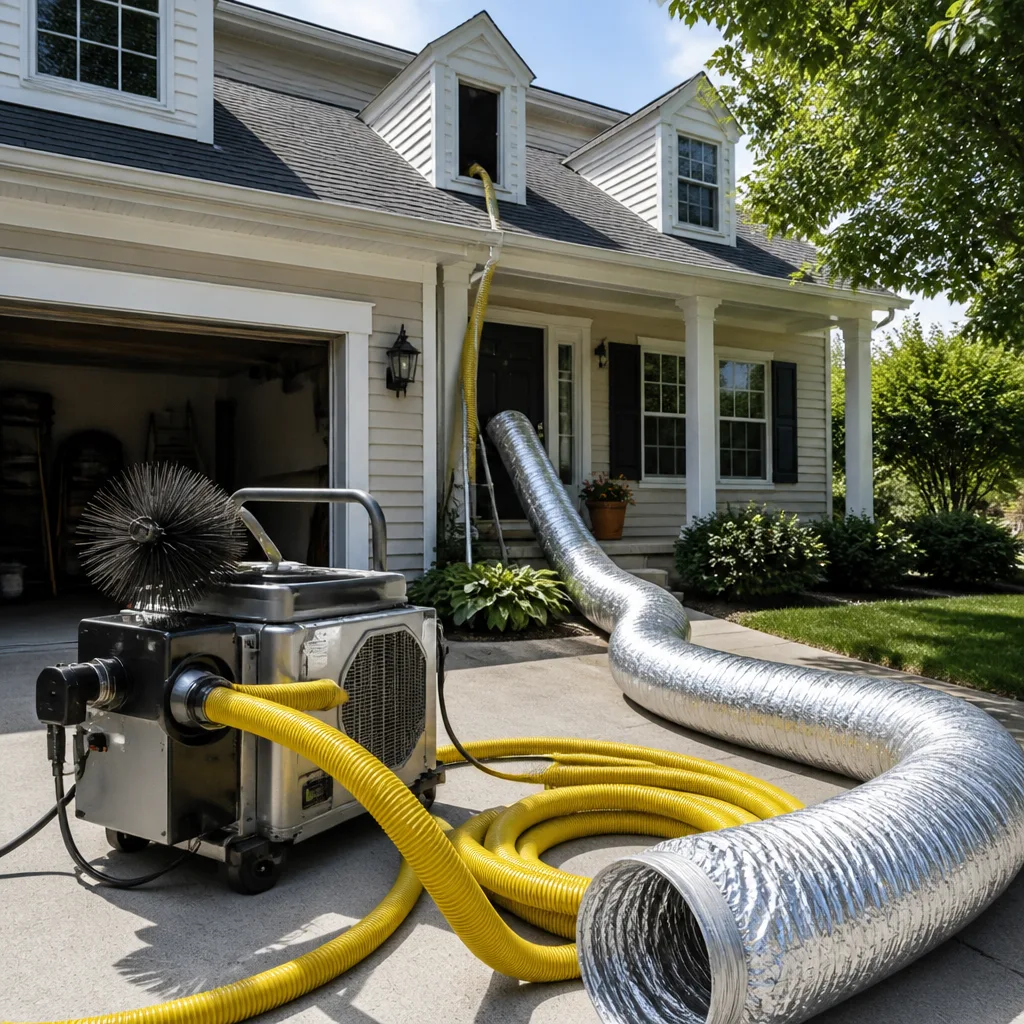 Whole-home duct cleaning
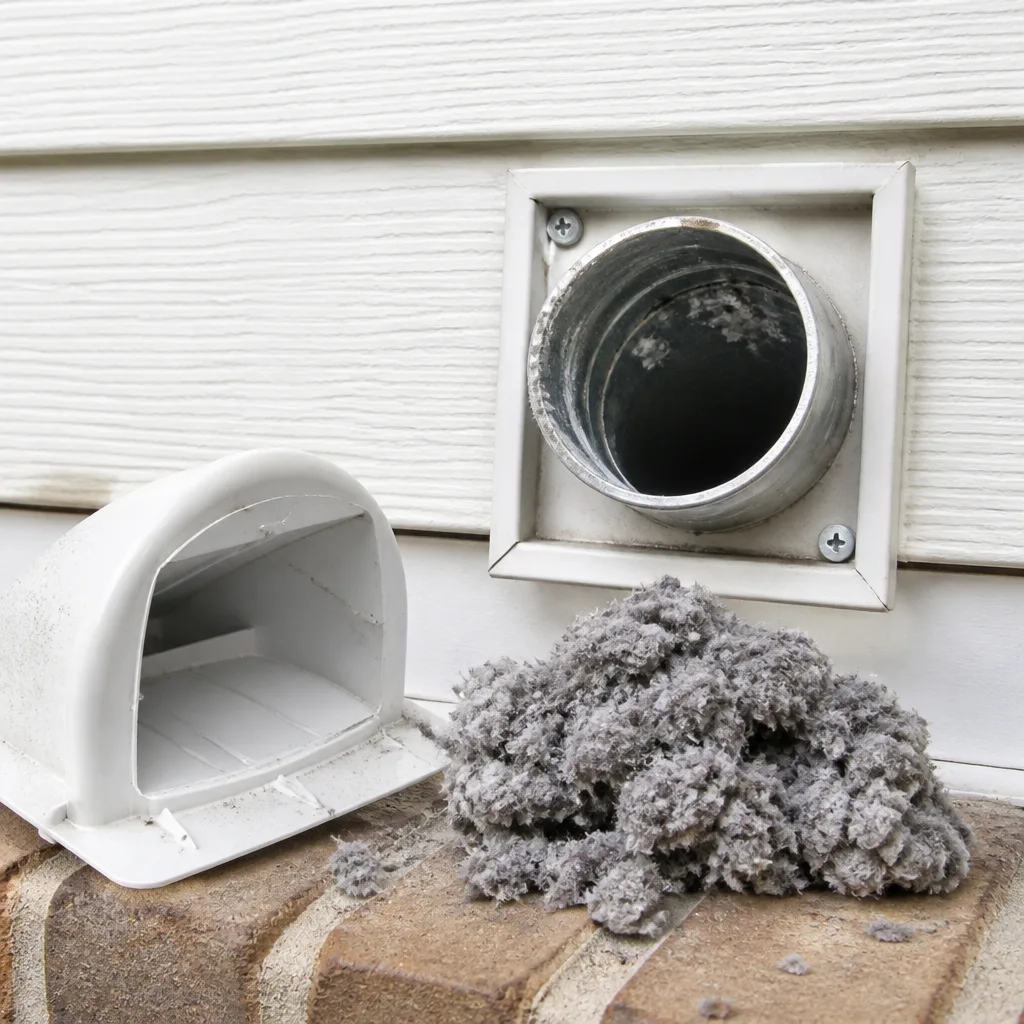 Dryer vent cleaning
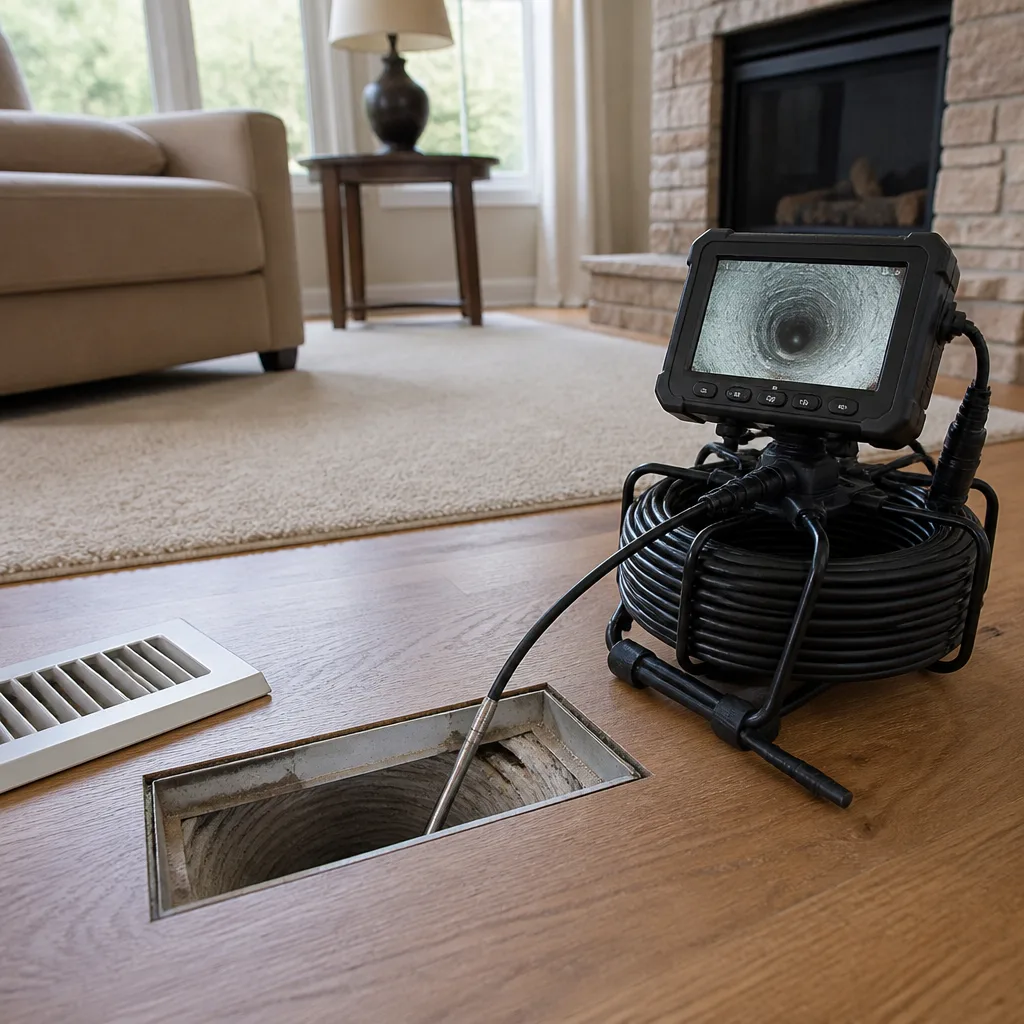 Camera inspection
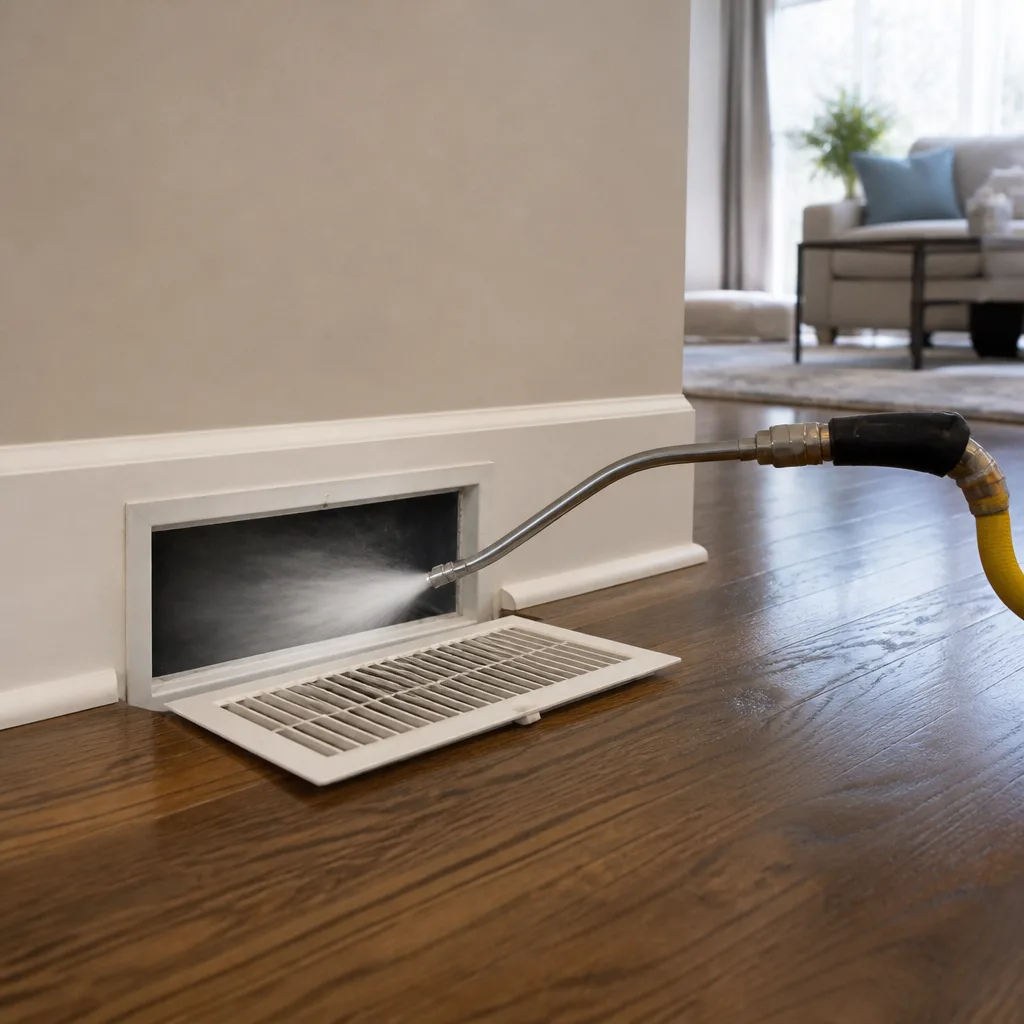 Sanitizing & deodorizing
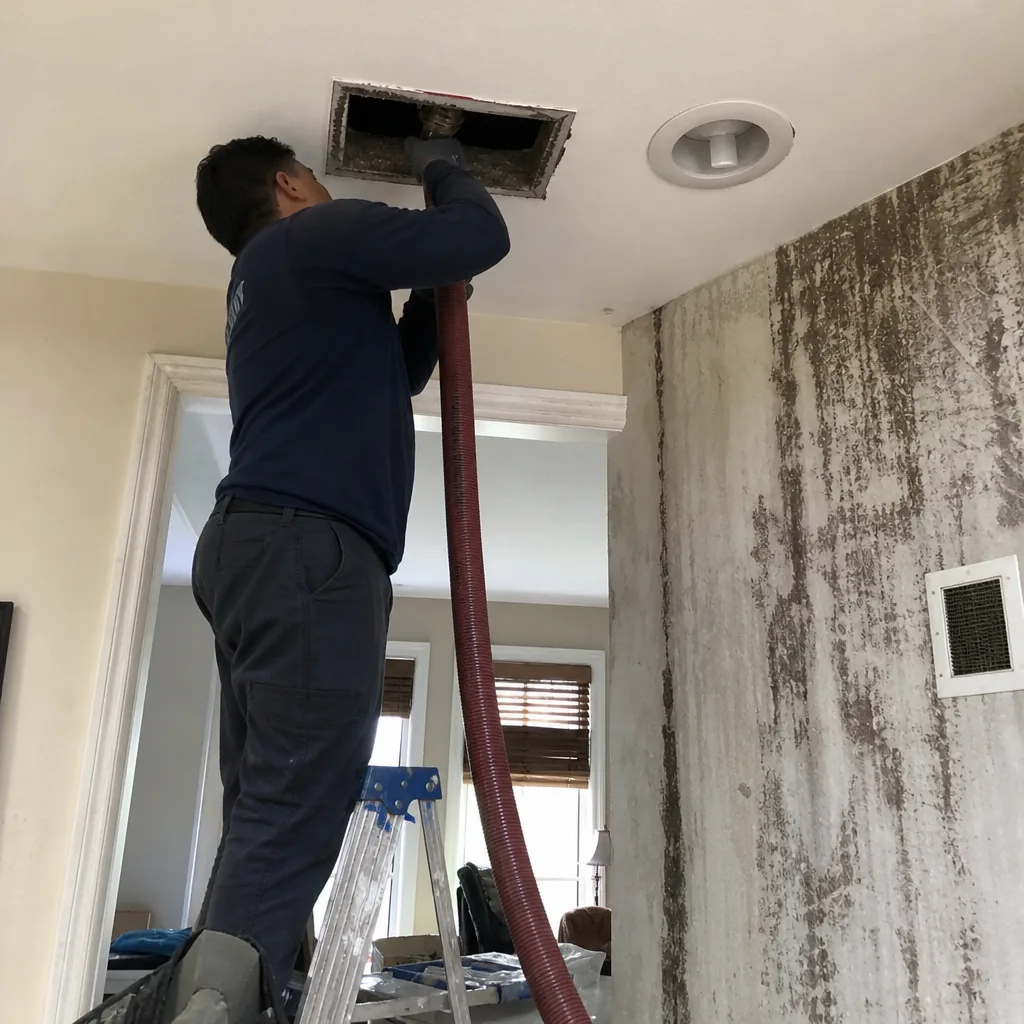
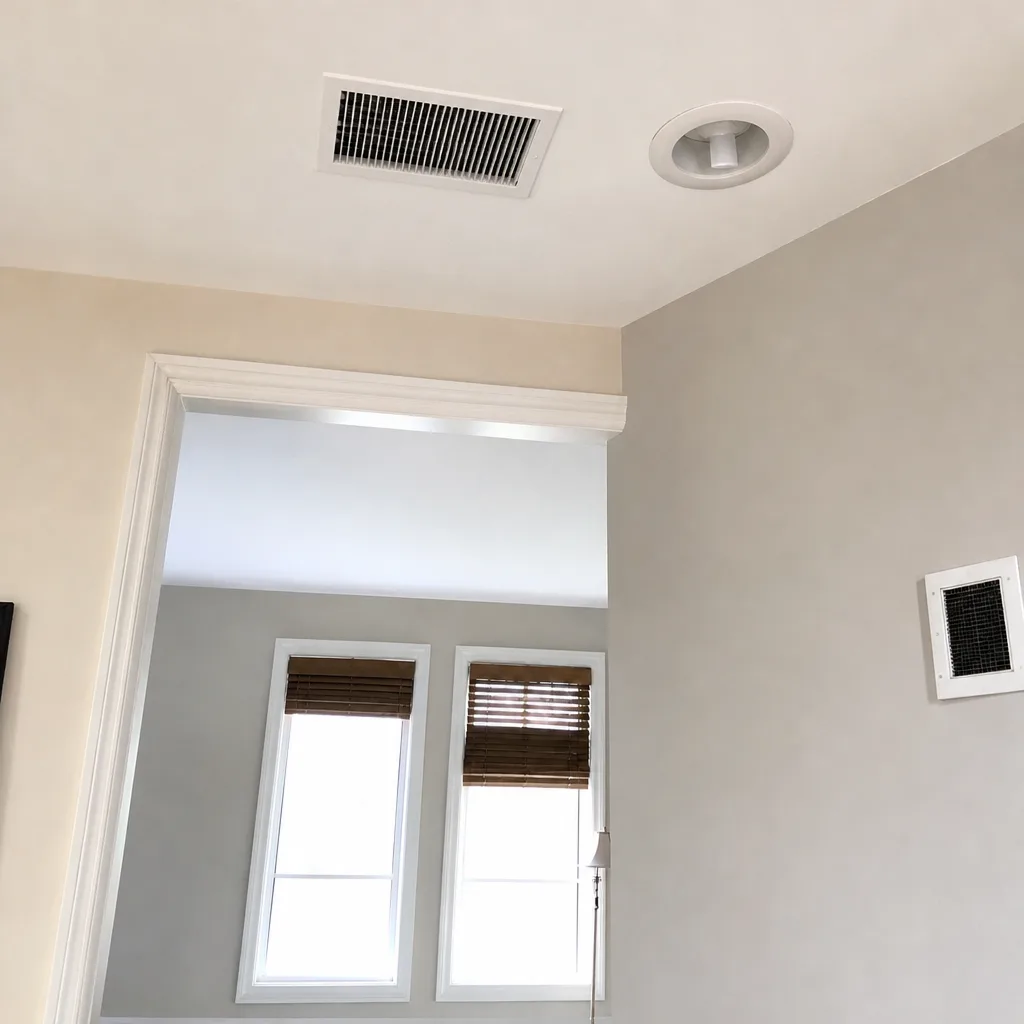
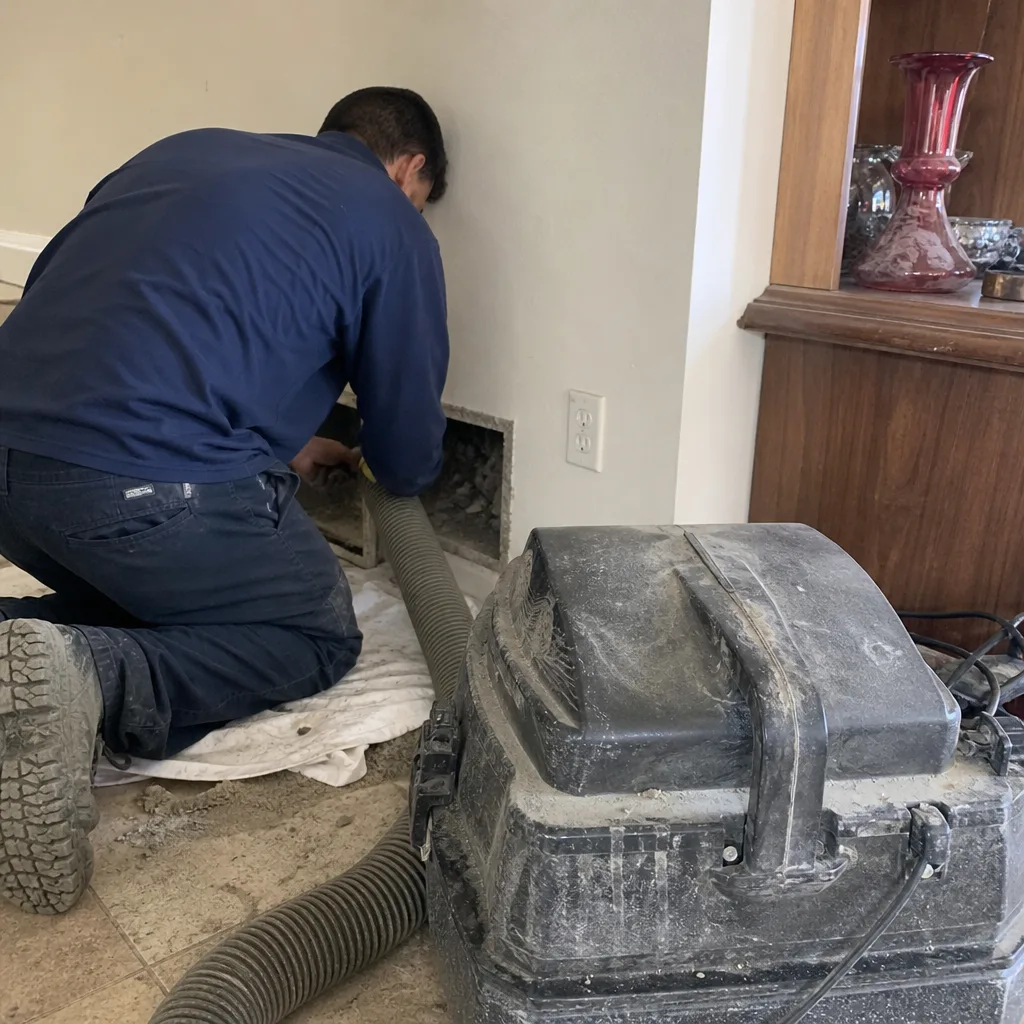
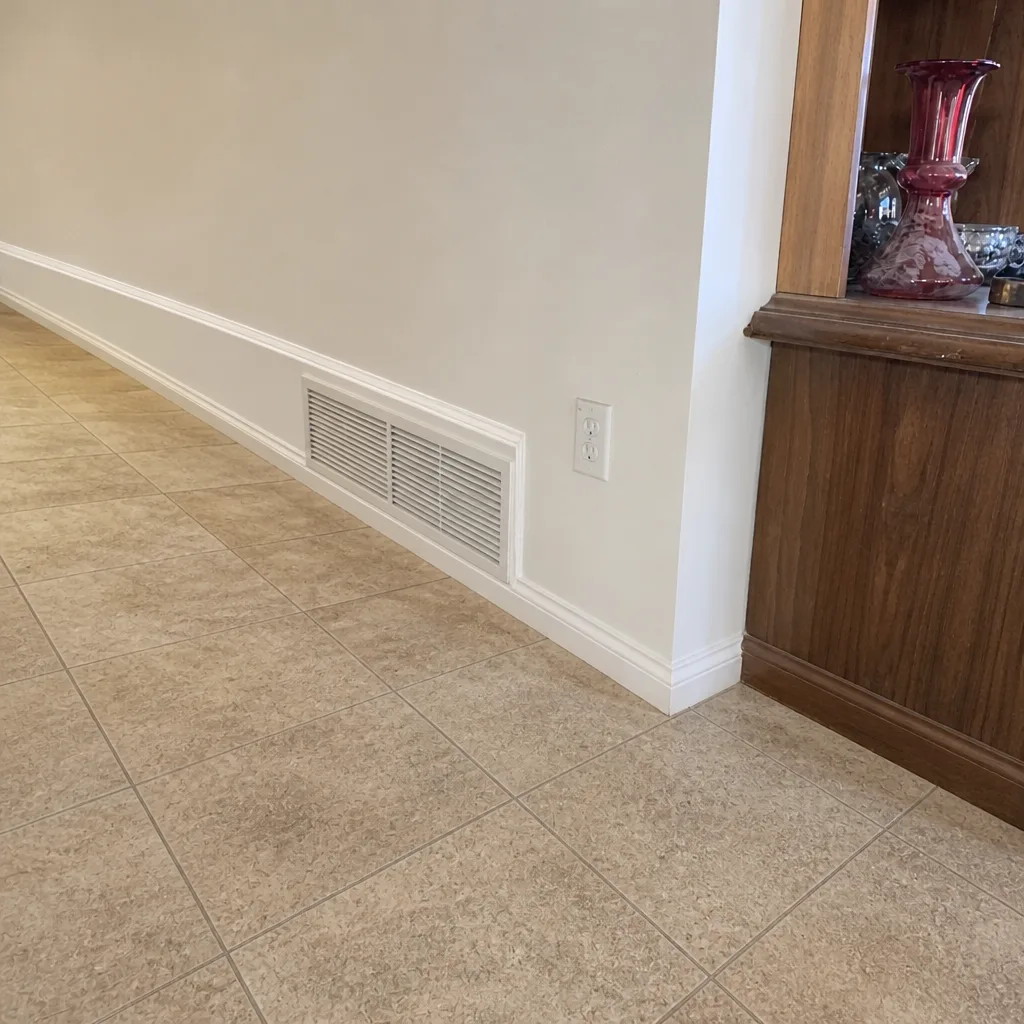
Whole-system duct and dryer vent check with before-and-after photos - you see exactly what came out of your vents
That "$99 whole-house special" is a bait ad - the real number appears once they are in your hallway, or the "clean" is a shop-vac at the register. We photograph the inside of your ducts before and after instead.
Air Duct Cleaning Permits, Codes & Inspections in Tustin, CA: What You Need to Know
Cleaning a duct system is maintenance, and maintenance doesn’t need a permit in Tustin. That’s the part everyone gets right. The part that trips people up is what happens when the cleaning reveals a problem: a disconnected run in the attic, a crushed flex duct over the garage, a joint someone sealed with the wrong tape. Fixing that is mechanical work, and mechanical work can require a permit. The line between cleaning and modifying is where homeowners get exposed, especially in a city that inspects HVAC at resale. This guide explains exactly where that line sits, what California’s energy code expects of duct sealing, what license a contractor needs to cross from cleaning into repair, and what paperwork you should walk away with afterward. If you’re a Tustin homeowner or property manager, this is the part of duct cleaning nobody explains until it’s a problem.
Quick Answer
Air duct cleaning itself does not require a permit in Tustin. Moving, replacing, resizing, or reconnecting duct runs is mechanical work under the California Building Code and generally requires a permit from the City of Tustin’s Building Division. Cleaning is maintenance; repair is construction. If a technician recommends anything beyond cleaning, sanitizing, or surface sealing at an existing joint, ask whether a permit is required before the work starts.
Styles & brands we work with
- Whole-home duct cleaning
- Dryer vent cleaning
- Camera inspection
- Sanitizing & deodorizing
Table of Contents
- What counts as cleaning vs. mechanical work in Tustin?
- How California’s Title 24 energy code affects duct sealing
- What CSLB license class does your contractor need?
- Cleaning reveals bad ductwork from a previous owner. Now what?
- What documentation should you get after a cleaning?
- What does Tustin inspect, and when?
- Why Tustin’s climate and housing stock matter here
- How to choose a contractor who respects the line
What counts as cleaning vs. mechanical work in Tustin?
The City of Tustin’s Building Division draws a practical line: cleaning, sanitizing, and inspecting an existing duct system is maintenance and needs no permit. Anything that changes the system’s physical configuration is mechanical work and may require a permit before the work starts. That includes adding, removing, relocating, or replacing duct runs, replacing a section of flex duct, and any change to the air handler or the distribution layout.
Here’s how to tell which side of the line a recommendation sits on:
- Cleaning only: rotary brushing, HEPA vacuuming, sanitizing, and clearing debris from an existing system. No permit.
- Resealing a joint: mastic or code-approved tape over a joint that’s still connected and functional. Generally maintenance, not a modification.
- Reconnecting a disconnected run: the duct was physically severed from the trunk. Restoring the connection is a repair to the mechanical system.
- Replacing a duct run: swapping old flex or rigid duct for new material. This is mechanical work.
- Rerouting or adding a run: changing where conditioned air goes. Always mechanical work, always permit territory.
In our experience, the disconnect happens with the recommendation itself. A technician cleaning ducts in a Tustin ranch home finds a run dangling in the attic. He can clean around it, or he can fix it. Fixing it is the right long-term move, but it’s not the same transaction as cleaning and shouldn’t be treated as one. Ask the question directly: “Is what you’re recommending a repair, and does it need a permit?” A contractor who knows the code will answer without hesitation.
How California’s Title 24 energy code affects duct sealing
Title 24 is California’s energy code, and it cares a lot about ducts because duct leakage wastes a measurable amount of conditioned air. When ducts are replaced rather than simply cleaned, Title 24’s requirements for duct insulation, sealing, and leakage testing come into force. That’s the layer most homeowners never hear about until the contractor hands them a test report.
What this means in practice:
- Duct sealing as part of a duct replacement falls under Title 24’s duct sealing requirements and often requires verification.
- Duct insulation is a code matter too. In a Tustin attic, where summer attic temperatures get punishingly high, insufficiently insulated ducts lose cooling capacity before the air reaches the register.
- Larger HVAC projects that touch ducts may trigger whole-system compliance or HERS verification. A competent contractor will tell you which applies before the work starts.
Cleaning does not trigger Title 24. Sealing at the end of a cleaning – the mastic-and-tape work that closes small leaks at existing joints – usually sits below the threshold. But when sealing widens into duct replacement, the code conversation begins. That’s why we explain Title 24 before recommending anything beyond cleaning. The best outcome for a Tustin homeowner isn’t a bigger invoice; it’s knowing precisely what’s code-required, what’s maintenance, and what’s optional improvement.
If you want a clean starting point, our air duct cleaning service is scoped as cleaning, and any repair recommendation comes with a separate explanation of what triggers a permit.
What CSLB license class does your contractor need?
The California Contractors State License Board (CSLB) organizes licensing by class. The relevant class here is the C-20 – Warm-Air Heating, Ventilating and Air-Conditioning Contractor. Any contractor performing duct repair, duct replacement, or other HVAC mechanical work in Tustin must hold an active license, and you can verify any license on the CSLB website in minutes.
Here’s the part homeowners miss: the license needed depends on the scope of the work.
- Cleaning only. Cleaning itself doesn’t require a C-20 in every case, but choosing an operator who works with one is safer – the license means accountability.
- Cleaning plus minor resealing at existing joints. Maintenance territory, still under C-20 scope.
- Any repair, reconnection, or duct replacement. This is C-20 work, full stop. A cleaning-only company offering to fix your ducts has crossed into mechanical contracting – and they’d better have the license to back it.
Ask for the license number, then check it. That’s not distrust; it’s how you protect a resale inspection down the road. The vetted local professional we connect you with is licensed and insured as California requires. We prefer to say it plainly: if a contractor can’t produce a C-20 or a clear subcontract with a C-20, don’t let them touch your ducts beyond cleaning.
Cleaning reveals bad ductwork from a previous owner. Now what?
This is the most common surprise in Tustin’s older housing stock. A cleaning pulls a scope into the ceiling or attic and the camera shows duct runs that were never properly connected, duct tape peeling off in long strips, or flex held together with the wrong product. The previous owner’s shortcuts become your problem the moment you see them.
The sequence matters here:
- Document the deficiency before anything is touched. Photos, video, and a written description of what’s wrong and where. You’ll want this if you ever sell, and you’ll want it to compare quotes.
- Separate the cleaning from the repair. Cleaning can proceed. The repair is a distinct decision, and if it crosses into mechanical work, it needs a permit.
- Check whether the deficiency was disclosed at your purchase. Duct modifications that weren’t permitted sometimes show up in a home inspection report, sometimes not. Either way, knowing when it happened helps.
- Ask whether the repair is required or recommended. A dangling duct that dumps conditioned air into the attic is a function loss and arguably a code issue. A joint that’s just a little dusty-sealed is a recommendation.
- Decide on the permitting path. If the repair qualifies as mechanical work, you or your contractor should pull the permit. Most cities – Tustin included – expect the contractor of record to do it.
One honest note: you’re not personally liable for work a previous owner did without a permit, but you are exposed at resale if the deficiency is discovered. Fixing it now, with a permit and a clean paper trail, is worth more than the permit fee.
Our HVAC cleaning service includes a walkthrough of the air pathway, which is how these deficiencies usually surface in the first place.
What documentation should you get after a cleaning?
The paperwork from a duct cleaning is more useful than most people realize. It serves three purposes: it proves the work was done, it tells a future homeowner or inspector what was found and what was done about it, and it closes the loop on anything that crossed into permit territory. Ask for it. A serious operator won’t hesitate.
Documentation to expect after a professional cleaning:
- Written scope of work. Which parts of the system were cleaned, which weren’t, and why.
- Before-and-after photos of the customer’s own ducts. Not stock photos, not a generic video. Yours.
- Any deficiencies noted. Disconnected runs, damaged insulation, leaks, and anything that looks like past unpermitted work.
- Equipment used. Rotobrush rotary brushing and Nikro HEPA vacuums, for example, so the record reflects what standard of cleaning was performed.
- Products applied. If sanitizing was done, the product is named – Abatement Technologies or Guardsman, for instance – with the application method.
- Statement of any repairs performed and any permits pulled.
If a contractor can’t produce a written scope and before-and-after photos, you don’t have documentation. You have a memory. Real estate disclosures increasingly ask about HVAC maintenance, and a clean paper trail answers those questions without effort.
What does Tustin inspect, and when?
Tustin inspects mechanical work the same way it inspects electrical or plumbing: at defined stages, by a city inspector, with a permit on file. Cleaning doesn’t trigger an inspection. Duct replacement or reconfiguration does. The typical sequence looks like this:
- Permit application. The contractor files the mechanical permit with the City of Tustin Building Division, which reviews the scope.
- Rough-in inspection. Ducts and connections inspected before they’re closed or insulated away.
- Title 24 verification, where applicable. Leakage testing or HERS verification on duct work that requires it.
- Final inspection. When the system is complete and operating, the city signs off.
In addition to permit-driven inspections, Tustin’s residential market has another key moment: resale. When a home changes hands, buyers and their agents tend to look hard at HVAC, and a missing permit for a duct replacement can surface years later. It becomes a conversation about corrections, and sometimes a negotiating chip.
The easiest way to avoid that conversation is documentation at the time of the work. Ask the contractor: “What permits, if any, will you pull for this scope?” A contractor who understands the difference between a cleaning and a mechanical repair answers in seconds. One who’s vague is telling you something.
Why Tustin’s climate and housing stock matter here
Tustin’s inland-orange-county climate is mild by California standards. Winters are cool but not cold enough to stress duct systems the way mountain or desert climates do. The problem here runs the other direction: summer heat. Attics in Tustin run blisteringly hot, and duct systems that sit up there take a beating. Insulation degrades, flex duct sags, mastic dries and cracks, and joints open at the seams.
The local housing stock compounds it. Mid-century ranch neighborhoods in Tustin carry original duct systems and older flex that was retrofitted long after the house was built. When we scope a system, we look for the classic retrofit clues: shoddy taping, mismatched duct materials, runs that seem added rather than planned. Those are the systems most likely to reveal a permit-relevant repair during cleaning.
Mild climate also means Tustin homes use their HVAC intermittently. Systems sit idle for weeks, then run hard in summer. Dust settles into ductwork during the idle period. When air conditioning season arrives, it gets pulled through the supply registers every time the system cycles. That’s why cleaning cadence in Tustin leans toward the multi-year interval rather than an annual routine.
For dryer vents, the climate factor is different but real. Tustin’s dry, hot summers mean lint dries out and builds up faster than in humid climates, and dryer vent cleaning matters as a fire-safety item, not just an efficiency item. Our dryer vent cleaning service covers that as a separate scope from the air ducts.
How to choose a contractor who respects the line
In our experience, the contractor who tells you clearly which recommendations require a permit is the contractor who does work you can trust. That clarity is more informative than any price list. Here’s what to look for when you’re evaluating a duct cleaning company in Tustin:
- They distinguish cleaning from repair. If every recommendation is urgent and involves a fix, ask why. If none do, also ask why.
- They name their equipment. Rotobrush rotary brushing and Nikro HEPA vacuums are the professional standard. A shop-vac and a hose isn’t.
- They produce before-and-after photos of your ducts. Not stock imagery. Yours.
- They’re comfortable talking permits. A licensed contractor with nothing to hide will answer permit questions without flinching.
- They scope the whole air pathway. Cleaning, repair, sealing, and sanitizing are one system, not three transactions.
- They price per system, agreed before work starts. No per-vent pricing, no coupon bait-and-switch, no surprise line items once the technician’s on site.
- They can install and service filtration and humidity systems. Honeywell and Aprilaire components show up in a lot of Tustin homes, and a contractor who knows them can spot bad installs.
A quick check on the last point: those two brands are among the most specified in residential HVAC filtration and humidity control. If a cleaning recommendation involves upgrading filters or adding a whole-house air quality component, a contractor familiar with these systems will explain compatibility clearly.
Common Mistakes to Avoid
- Assuming cleaning and repair are the same transaction. They aren’t. Cleaning is maintenance; a duct replacement is mechanical work. The price, and the permitting requirement, changes accordingly.
- Letting a cleaning company do repair work without a C-20. Durability of the repair, and your legal footing if something fails, both depend on the license class. Ask, then verify on the CSLB site.
- Skipping documentation. Photos, a written scope, and any notes on deficiencies. If a future buyer or inspector asks, you’ll want it. Memory doesn’t count.
- Ignoring Title 24 when ducts are replaced. Duct replacement in Tustin triggers energy code requirements. A contractor who doesn’t mention it is unfamiliar with the code.
- Assuming a permit automatically means higher cost. Permit fees are typically modest relative to the work. The bigger risk is the resale hit from an unpermitted duct modification.
- Falling for a coupon price that suddenly grows. Duct cleaning in Tustin is priced per system. Per-vent pricing with a doorbuster coupon is bait for a bigger invoice later.
- Assuming Tustin is small enough that the rules don’t apply. They do. The city inspects at resale, and the California energy code applies to duct replacements regardless of which city.
See the difference
 Before
 After
 Before
 After
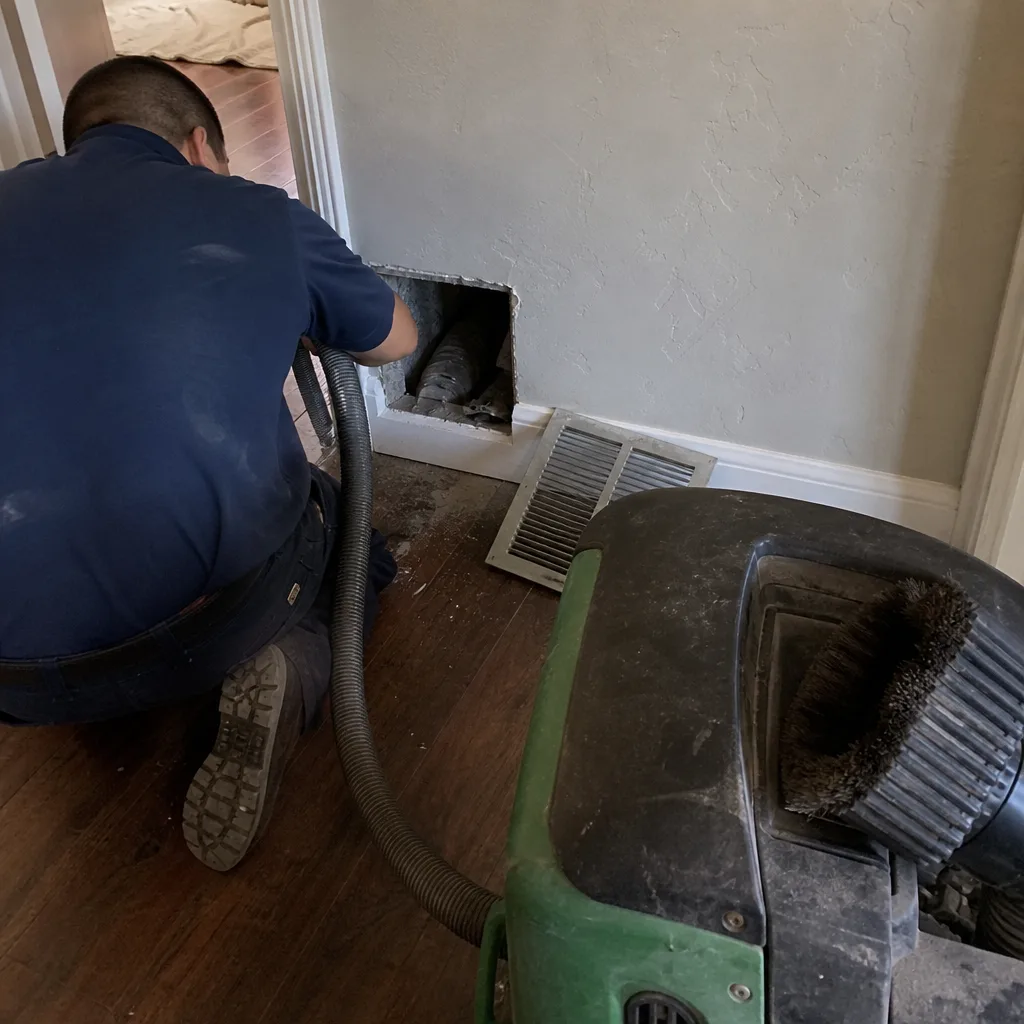 Before
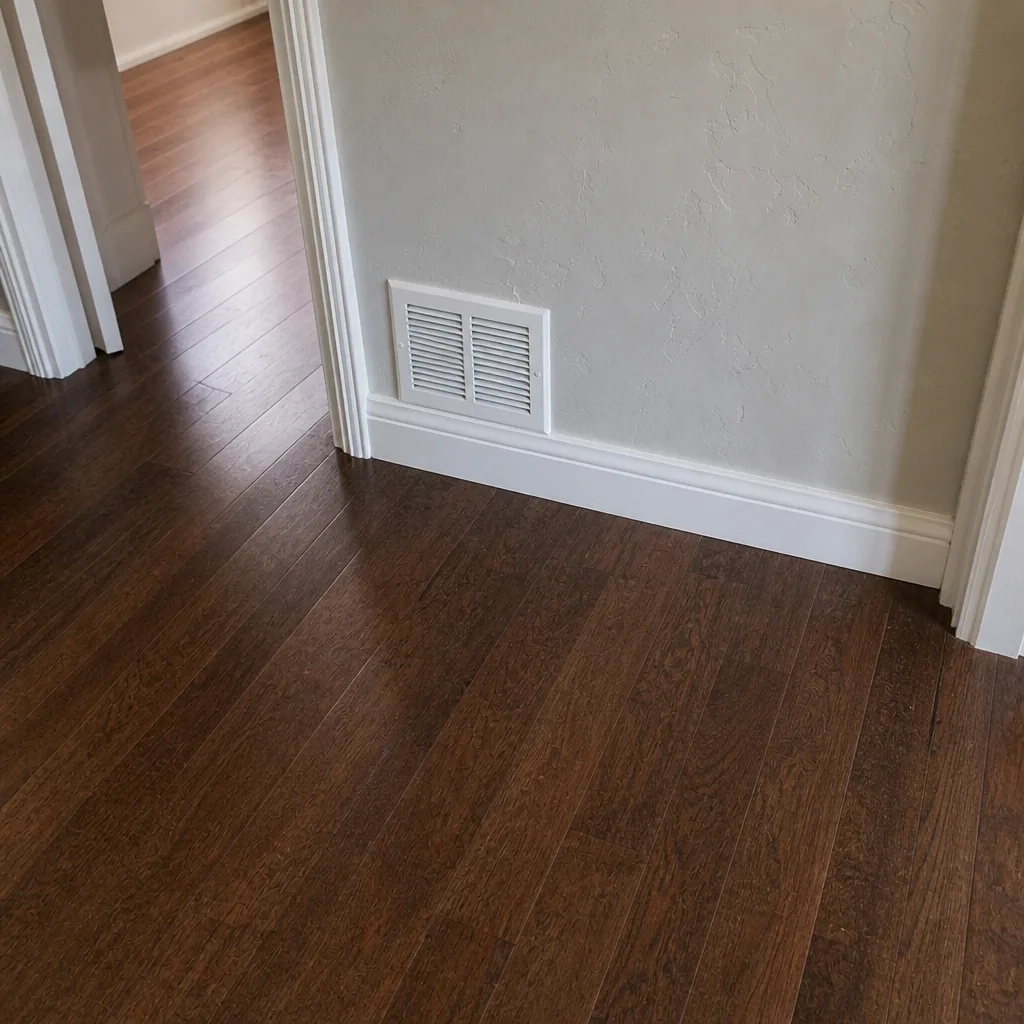 After
When to Call a Professional
Call a professional when a cleaning reveals damage, when your system shows signs of duct leakage (uneven airflow between rooms, dust returning quickly after a cleaning, high energy bills with the system running normally), or when you’ve just bought a Tustin home and want the ductwork assessed before you commit to anything. Don’t open a duct system yourself to look for a disconnect; attic heat, insulation, and the mechanical system are not places for improvised work. Call if you’re unsure whether a recommended repair crosses into permit territory, or if you want a written scope and before-and-after photos rather than a verbal promise.
Tustin Air Duct Cleaning Pros offers free estimates in Tustin – call (844) 443-3616. Our technicians have up to 10 years of experience, and we scope the whole air pathway, so cleaning and any permit-relevant repair recommendation come from the same visit.
Frequently Asked Questions
No. Air duct cleaning is maintenance and does not require a permit from the City of Tustin’s Building Division. What requires a permit is repair or modification to the duct system itself – reconnecting a disconnected run, replacing flex duct, or changing the layout. Call (844) 443-3616 if you’re unsure which side of the line a recommendation sits on – estimates are free.
Mechanical work involves changing the physical configuration of the HVAC system. Cleaning, sanitizing, and resealing existing joints are maintenance. Adding, removing, relocating, or replacing duct runs is mechanical work and generally requires a mechanical permit. The California Building Code’s mechanical provisions govern the work; Tustin’s Building Division administers the permit.
Title 24 does not apply to cleaning alone. It applies to duct replacement and certain sealing work, bringing insulation, sealing, and leakage testing requirements into play. If your contractor recommends replacing a duct run rather than just cleaning it, ask what Title 24 requires for that specific scope. Call (844) 443-3616 for an exact quote – estimates are free.
The relevant CSLB license class is C-20, Warm-Air Heating, Ventilating and Air-Conditioning. Any contractor performing duct repair, reconnection, or replacement in Tustin should hold an active C-20 or be working under one. You can verify a license number on the CSLB website in minutes. The vetted local professional we connect you with is licensed and insured as California requires.
Document it first – photos, video, and a written description from the technician. Then decide whether the repair is required (function loss, code concern) or recommended (minor leakage at a dusty joint). If the repair is mechanical work, ensure the contractor pulls the permit. Tustin Air Duct Cleaning Pros can assess the system and explain the options – call (844) 443-3616 – estimates are free.
Every few years for most Tustin homes, more often if you have pets, allergies, or have recently completed a renovation. There’s no fixed annual rule, and a contractor who insists on yearly cleaning without seeing the system isn’t giving you technical advice. Ask what they observed during the inspection, and call (844) 443-3616 if you want a second opinion – estimates are free.
The Bottom Line
Cleaning your ducts in Tustin doesn’t need a permit, and nobody’s going to inspect the work. But the moment a cleaning reveals a disconnected run or a degraded flex duct, you’ve moved from maintenance into mechanical work, and mechanical work may require a permit from the City of Tustin. Title 24 matters the moment duct replacement comes into play. A C-20 license matters for any repair beyond cleaning. And documentation – photos, written scope, deficiencies noted – matters at every point, especially resale. The homeowner who understands those four boundaries is the homeowner who doesn’t get surprised two years later. If you’re in Tustin and you want this scoped clearly, call (844) 443-3616 – the estimate is free and the conversation is factual.
Contact
Whether you need a routine cleaning or a second opinion on a duct repair a different contractor recommended, we can help. We connect you with licensed local professionals who use professional-grade equipment – Rotobrush and Nikro for cleaning, Honeywell and Aprilaire for filtration and humidity, Abatement Technologies and Guardsman for sanitizing – and who scope the whole air pathway rather than just cleaning what’s visible. Explore Tustin Air Duct Cleaning Pros for a full view of what we do, and when you’re ready, call (844) 443-3616 for a free estimate. We answer 24/7. Fast dispatch from 7am to 7pm, Sunday through Friday.
Written by the team at Tustin Air Duct Cleaning Pros.