
Last updated November 25, 2026
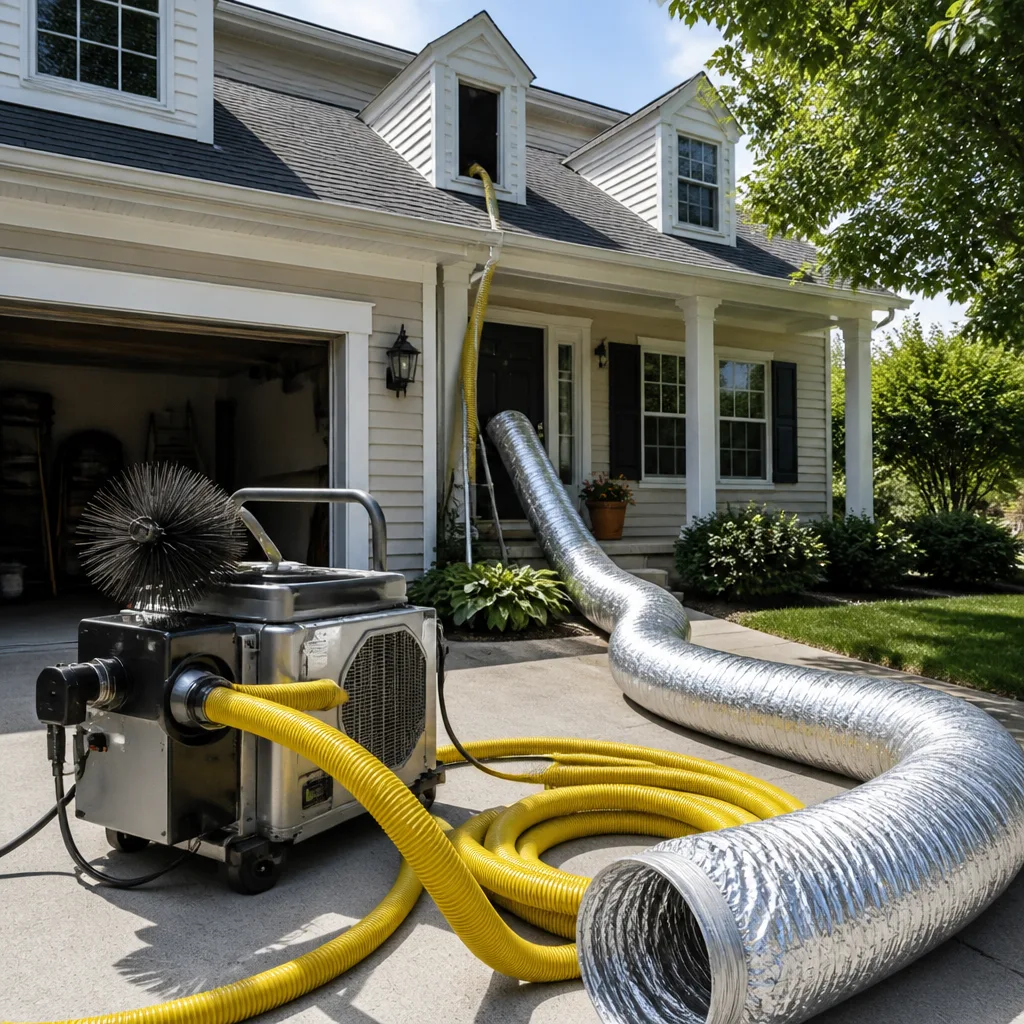 Whole-home duct cleaning
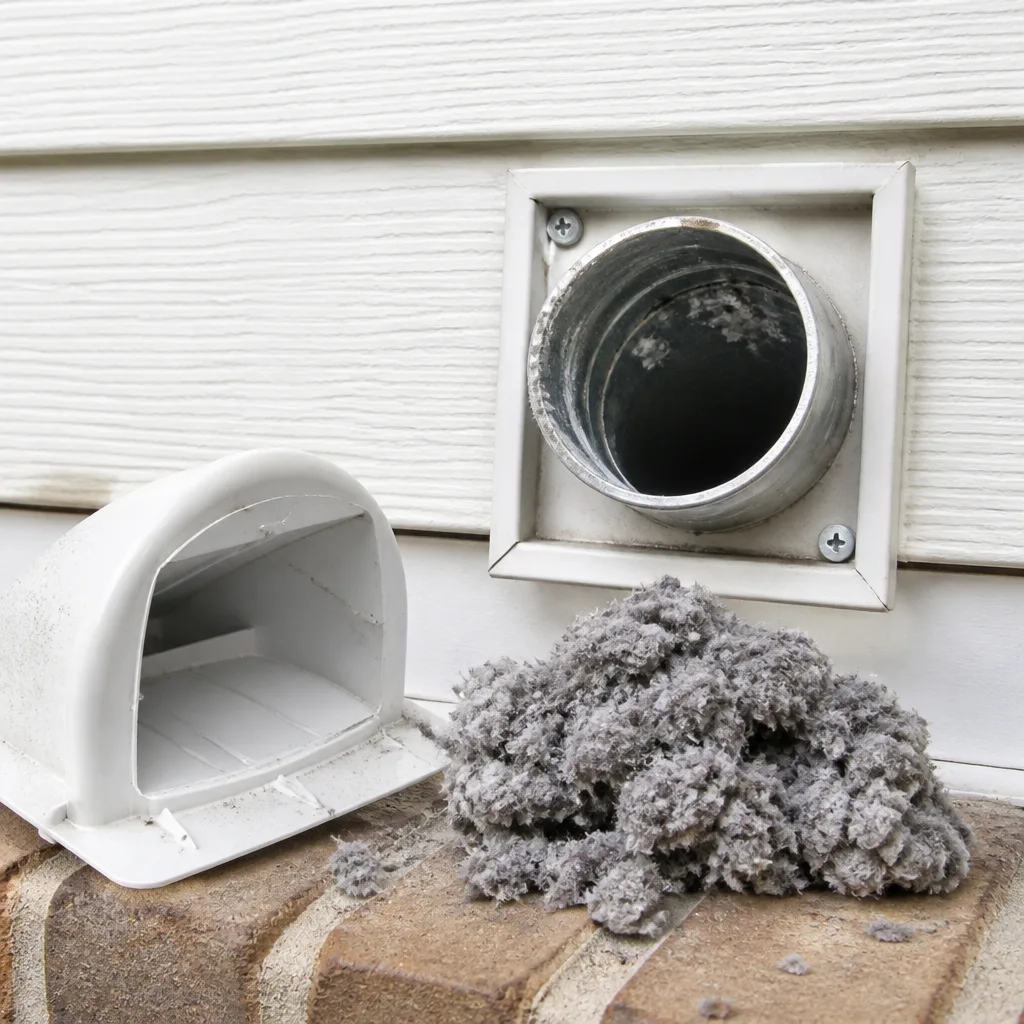 Dryer vent cleaning
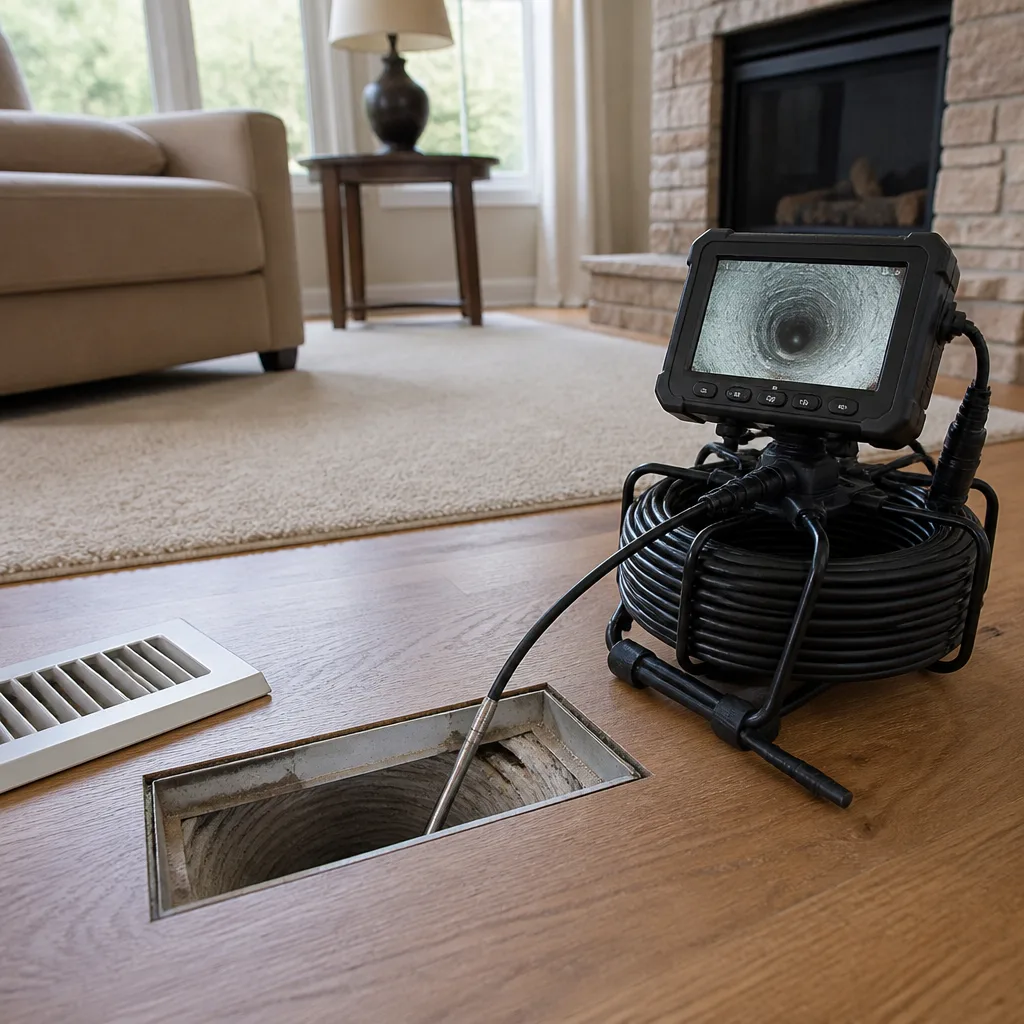 Camera inspection
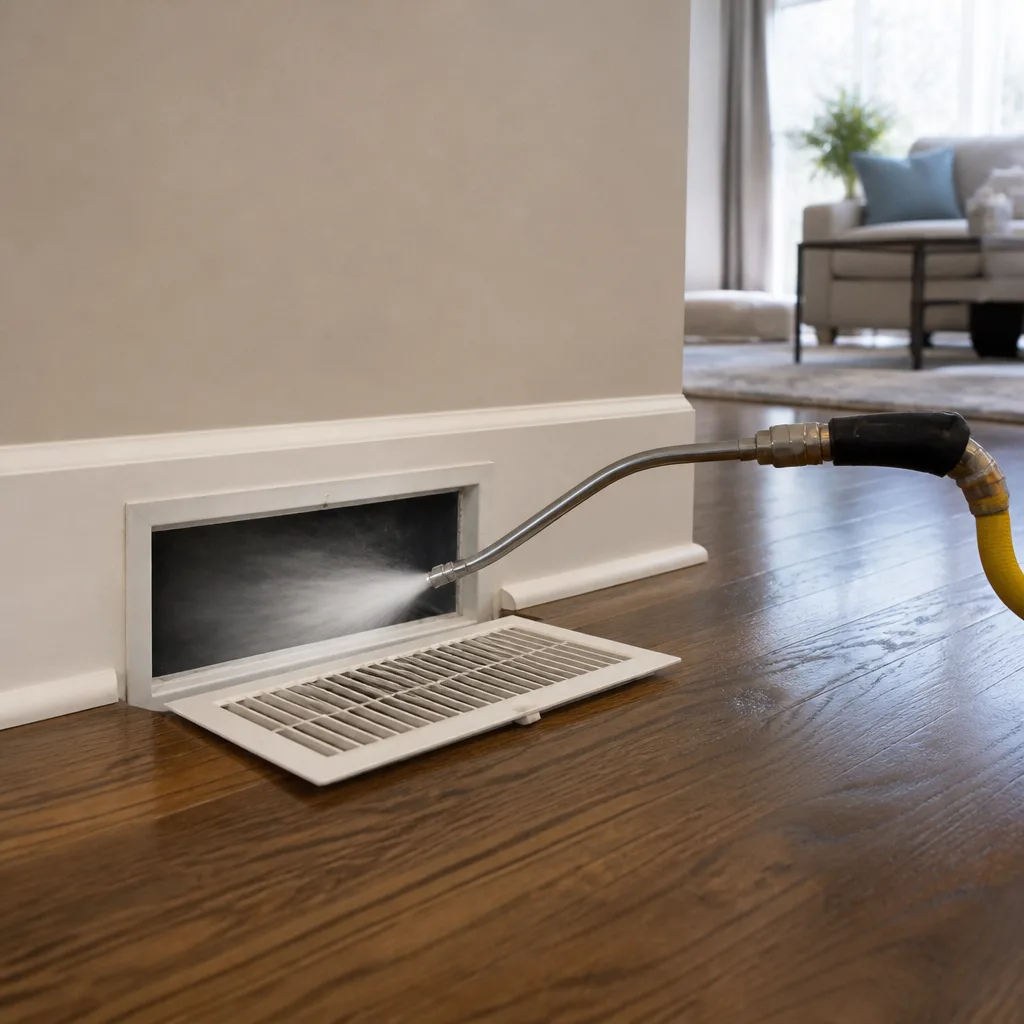 Sanitizing & deodorizing
Whole-system duct and dryer vent check with before-and-after photos - you see exactly what came out of your vents
That "$99 whole-house special" is a bait ad - the real number appears once they are in your hallway, or the "clean" is a shop-vac at the register. We photograph the inside of your ducts before and after instead.
Air Duct Cleaning Maintenance Checklist for Tustin Homeowners
Changing your filter on schedule feels responsible. But in Tustin, a clogged return duct can make a fresh filter irrelevant within 30 days during high-dust Orange County months. We’ve seen homeowners doing everything right at the filter and still breathing restricted, dusty air because the pathway behind the grille was quietly loading up. This guide isn’t a cleaning schedule. It’s a detection system: the checks you can run between professional visits to tell whether your ducts are holding steady or silently degrading, and the point at which a call makes sense. You’ll get specific timing tied to our local seasons, room-by-room airflow logging, and the findings that separate normal variation from a real problem in Tustin homes.
Quick Answer
A workable air duct maintenance checklist for Tustin homeowners covers four things: monthly visual checks at supply and return registers, filter changes timed to Santa Ana wind season and wildfire smoke windows, a simple room-by-room airflow log to catch restriction early, and a professional full-system cleaning when visible dust, uneven airflow or post-renovation debris shows up. Most Tustin homes need a professional duct cleaning every two to three years, sooner if you have pets, recent remodeling, or HVAC equipment in the attic.
Styles & brands we work with
- Whole-home duct cleaning
- Dryer vent cleaning
- Camera inspection
- Sanitizing & deodorizing
Table of Contents
- Monthly Visual Checks You Can Do Without Tools
- Filter-Change Timing for Tustin’s Dust and Smoke Seasons
- How to Log Airflow Room by Room
- Reading the Registers: What Dust Patterns Tell You
- Checklist Variations for Pets, Remodels, and Attic HVAC
- The Tustin Seasonal Maintenance Calendar
- When a Finding Is Normal vs. When to Call a Pro
Monthly Visual Checks You Can Do Without Tools
These checks take about ten minutes and require nothing but your eyes and a flashlight. Run them on the same day each month so you’re comparing like to like.
- Shine a light into each supply register. Look for a uniform film of dust versus clumps, matting, or debris that looks like it’s been pushed toward the grille. Light, even dust is normal. Clumping near the throat of the register suggests the duct behind it is carrying material forward.
- Check the return grille. Returns pull harder than supplies, so they’re the earliest indicator. A return that shows a visible gray haze a few weeks after cleaning is doing its job; one that shows dust building in streaks or patches is telling you airflow is concentrating in one part of the grille.
- Look at the filter housing, not just the filter. If the slot the filter slides into has dust on the downstream side, air is bypassing the filter – usually a sizing or seating issue rather than a duct problem.
- Sniff the air at a supply register when the system first kicks on. A musty or dusty smell that fades within a minute is usually surface dust on the register. A smell that persists or intensifies points to something growing or trapped deeper in the system.
- Check the condensate area and equipment cabinet seams for dust streaks. Streaking at a seam means air is escaping there, which is a sealing issue rather than a cleaning one.
Write down what you see. A one-line note per month (“return grille dust even, supplies normal, faint musty smell in bedroom 2 on startup”) builds a record that’s far more useful to a technician than a memory of “it seemed dustier lately.” Photograph the return grille on the same day each month; the comparison is more reliable than your recollection. Tustin homes with painted registers show dust contrast well, so the photos stay readable over time.
Filter-Change Timing for Tustin’s Dust and Smoke Seasons
Every filter package gives you a months-based interval. In Tustin, that interval is a starting point, not a plan. Two local conditions compress it: the Santa Ana wind events that push dry, particulate-heavy air through Orange County, and wildfire smoke windows that can last days and load a filter with fine ash that a standard filter wasn’t sized for.
Here’s a timing framework we recommend:
- Before Santa Ana season. Change the filter going into the period when dry offshore winds are most likely, so you’re starting with full capacity. Mark the calendar and change it whether or not it looks dirty.
- After any significant smoke event. If you can smell smoke indoors with windows closed, the filter caught some of it. Check it within a week; fine ash blinds a filter surface faster than household dust does.
- Monthly during heavy-remodel months. Drywall dust and sawdust are far more aggressive than the dust a filter normally sees. A filter that lasts three months in a quiet home may need replacement in four to six weeks during a renovation.
- On a fixed date, not a feeling. Choose the first of a month you’ll remember. “When it looks dirty” fails because the dirtiest filters often look only moderately gray from the upstream side.
Choose a filter with a MERV rating your system is rated for rather than the highest number on the shelf; an overly restrictive filter can starve airflow and mimic a duct restriction. If your home uses a media cabinet or a whole-home filtration setup, the housing and its fit matter as much as the media. We install and service Honeywell and Aprilaire filtration components, and a properly seated media filter in a matched cabinet holds its performance far longer than a loose panel filter in an undersized slot.
How to Log Airflow Room by Room
Airflow is the earliest and most reliable signal that a duct is restricting. You can’t measure cubic feet per minute without instruments, but you can measure relative change, and that’s what matters. Pick one register in every room and use the same one each time.
- Use a strip of tissue or a light ribbon. Hold it a few inches from the register with the system running on fan-only. Note how far the ribbon lifts and at what angle.
- Time a fixed observation. Count seconds until the ribbon reaches a consistent position – ten seconds is plenty. Consistency of method beats precision of measurement.
- Rate each room 1 to 5 against your strongest register, which is usually the one closest to the air handler. Write the rating and the date in a simple table.
- Compare month to month. A room that drops from 4 to 3 over two months, while the rest hold steady, points to a branch duct issue or a damper that’s shifted. A uniform drop across every room points to the filter, the blower, or the return.
- Note temperature too. A room that’s consistently warmer in summer than its airflow rating suggests may have a duct running through a hot attic space with a disconnected or leaking run.
A simple notebook or a note on your phone is enough. The value comes from the pattern: three or four months of steady ratings tells you the system is stable, and a single room that trends downward gives a technician a specific place to look instead of a general “clean everything” recommendation. In Tustin’s two-story homes, the upstairs rooms farthest from the air handler are the ones most likely to show the first drop.
Reading the Registers: What Dust Patterns Tell You
Dust on a register isn’t automatically a problem. HVAC systems move air, and moving air leaves a film. What you’re looking for is the pattern, because different patterns point to different causes.
- Even, light film on the grille face: normal. Clean the grille when it bothers you and keep logging.
- Heavy dust concentrated around the edges or one side: the register isn’t seating flush, or the run feeding it has a leak near the boot. Air escaping around the frame carries dust with it.
- Dust pushed through the grille toward the room in tufts: material is being carried from deeper in the duct. This is one of the clearest signs that the ductwork itself needs professional attention.
- Black or dark streaking around a register or ceiling diffuser: this is often air leaking at a poorly sealed joint, drawing in dust from the attic or the wall cavity as it goes. It’s a sealing issue as much as a cleaning one, which is why we handle duct repair and sealing alongside cleaning rather than treating them as separate trades.
- Supply registers dusty while returns look clean: unusual, and worth a professional look, since it suggests contamination downstream of the filter.
Take a photo of the return grille and one representative supply each month. Registers in Tustin homes with textured ceilings and diffuser-style covers show streaking especially clearly, so the photos become a useful record. When a pattern changes, that’s your cue to escalate from a visual note to a professional inspection.
Checklist Variations for Pets, Remodels, and Attic HVAC
Homes with pets
Pet hair behaves differently from dust: it clumps, and it catches other debris as it travels. Add two items to your monthly round. First, check the return grille for hair matting and clear the surface with a vacuum brush if it’s building. Second, look at the base of the air handler and the first few feet of return duct for hair accumulation that made it past the filter. Pet households generally need professional cleaning closer to the two-year mark than the three-year mark, and filter changes at roughly half the standard interval.
Recent remodels
Drywall dust is fine, abrasive, and it settles deep. If your home has had a renovation in the past year, add a full professional duct cleaning and HVAC cleaning to the checklist once the work is finished and the dust has settled, not during the work. Construction debris and dust that’s pulled into the ducts during remodeling is exactly the scenario where you want the entire air pathway cleaned, including the equipment, because drywall dust coats blower wheels and coils as readily as it coats duct interiors. Read more about our full HVAC cleaning scope for what that involves.
Attic HVAC placement
Plenty of Tustin homes, particularly in older neighborhoods and two-story builds, run ductwork through the attic. Attic ducts face wider temperature swings and more exposure to loose insulation and dust, and disconnected or poorly sealed runs are easier to miss up there. Add a professional duct inspection and sealing check to your yearly list, and pay attention to any room that runs too warm in summer or too cool in winter – a leaking attic run shows up as a temperature problem before it shows up as a dust problem. The same applies to families with allergies or asthma keeping a closer eye on the whole system.
The Tustin Seasonal Maintenance Calendar
A calendar removes the guesswork. This is the rhythm we suggest for Tustin, built around our local conditions rather than a generic national schedule.
- Late winter, before Santa Ana wind season: change the filter, run a full room-by-room airflow log, and do a complete register walk-through. Book a professional cleaning if your last one was more than two years ago or any register pattern changed over winter.
- Spring: if you’re heading into cooling season, check the condensate line and equipment cabinet for dust streaks, and confirm the filter is seated properly. Have the HVAC equipment and ducts inspected if this is the year for a professional service.
- Summer: log airflow mid-season, since cooling demand stresses restricted ducts the most. Any room that can’t hold temperature during the hottest weeks deserves a closer look.
- Fall, into fire season: change the filter again, and be ready to check it a week after any significant smoke event. If you have a dryer, get the dryer vent cleaning done before winter laundry season, since lint buildup is a separate fire concern that many duct companies skip entirely.
- Any month: run the ten-minute visual check on the same date and note the results.
Homeowners in Tustin who keep this calendar find that professional visits become a decision rather than a surprise – the log tells you whether you’re due. If you’d like a professional baseline to start from, our air duct cleaning service in Tustin covers a full inspection and cleaning of the whole air pathway.
When a Finding Is Normal vs. When to Call a Pro
Normal variation: a light, even film on registers; a faint dust smell for a few seconds at startup; airflow that holds steady across months with minor seasonal wobble; a filter that looks gray but still passes air at a typical interval. None of these need a call.
Not normal: a single room’s airflow that declines over two months; heavy, tufted dust being pushed through a register; dark streaking around a register or ceiling diffuser; a persistent musty smell; visible debris from a remodel; or a room that won’t hold temperature. These are all indicators of a duct issue rather than a filter issue, and a visual check alone won’t resolve them.
There’s also a threshold on time. If it’s been more than two to three years since the system was professionally cleaned, or if you’ve just bought a home and don’t know its history, a full inspection is worth doing once so you have a baseline. Our technicians have up to 10 years of experience and use professional-grade Rotobrush and Nikro equipment – the same rotary brush and HEPA-vacuum systems used by commercial and industrial duct cleaning contractors. The local pro we connect you with is licensed and insured as their state requires. Call (844) 443-3616. We answer 24/7. Fast dispatch from 7am to 7pm, Sunday through Friday. Estimates are free.
Common Mistakes to Avoid
- Fixing only the filter. A new filter is the cheapest fix and it works when the filter is the problem. Dirty return ducts, disconnected attic runs, and clogged equipment cabinets all look like “needs a new filter” and aren’t. Log the airflow before deciding.
- Cleaning registers only. Wiping down the visible grille removes what a person sees and does nothing about what’s carried through the run. The register face is the least important part of the duct.
- Running the system fan constantly during a remodel. This is exactly how construction dust gets distributed across the whole pathway. Keep the fan off as much as you can during dusty work, and plan a professional cleaning once it’s done.
- Choosing a filter by highest MERV rating. Too restrictive a filter starves airflow and can mimic or worsen a duct restriction. Match the rating to what the system is rated for.
- Ignoring attic ducts. Tustin homes with attic-routed ductwork often have disconnected or leaking runs that go unseen. Temperature problems in a specific room are the first signal.
- Skipping the dryer vent. Many duct companies don’t handle dryer vents at all. If yours hasn’t been cleaned in a couple of years, it deserves its own appointment on the checklist.
- Cleaning and leaving leaking ducts. A thorough cleaning of a system with leaks means the clean doesn’t last. Sealing is what keeps the result.
See the difference
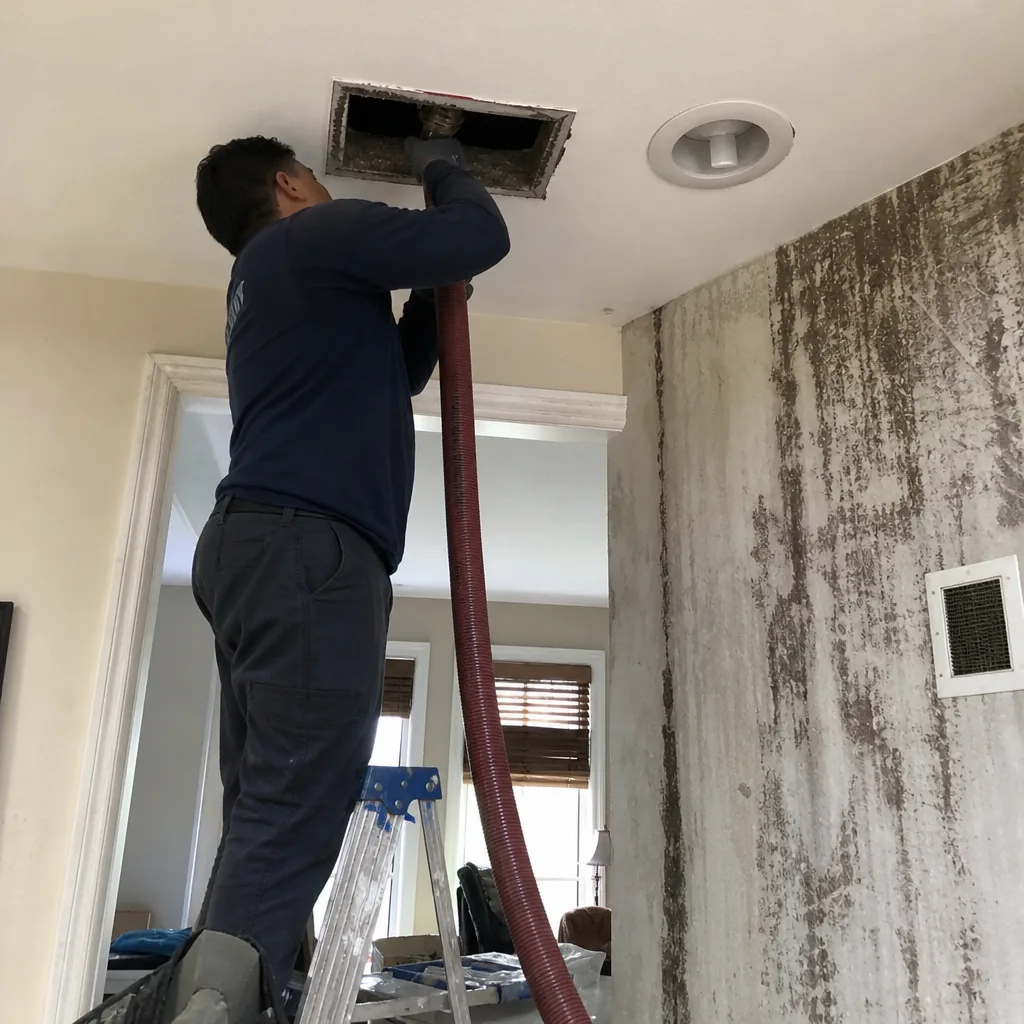 Before
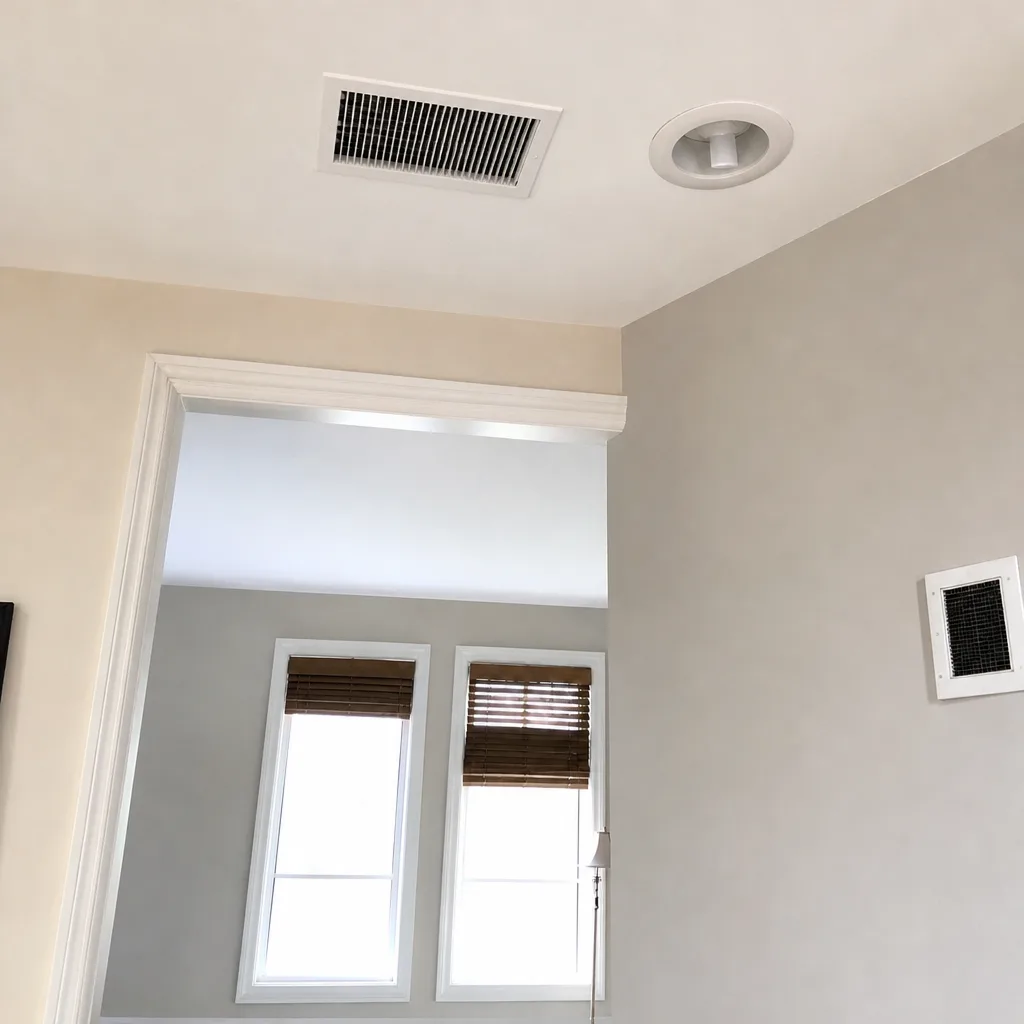 After
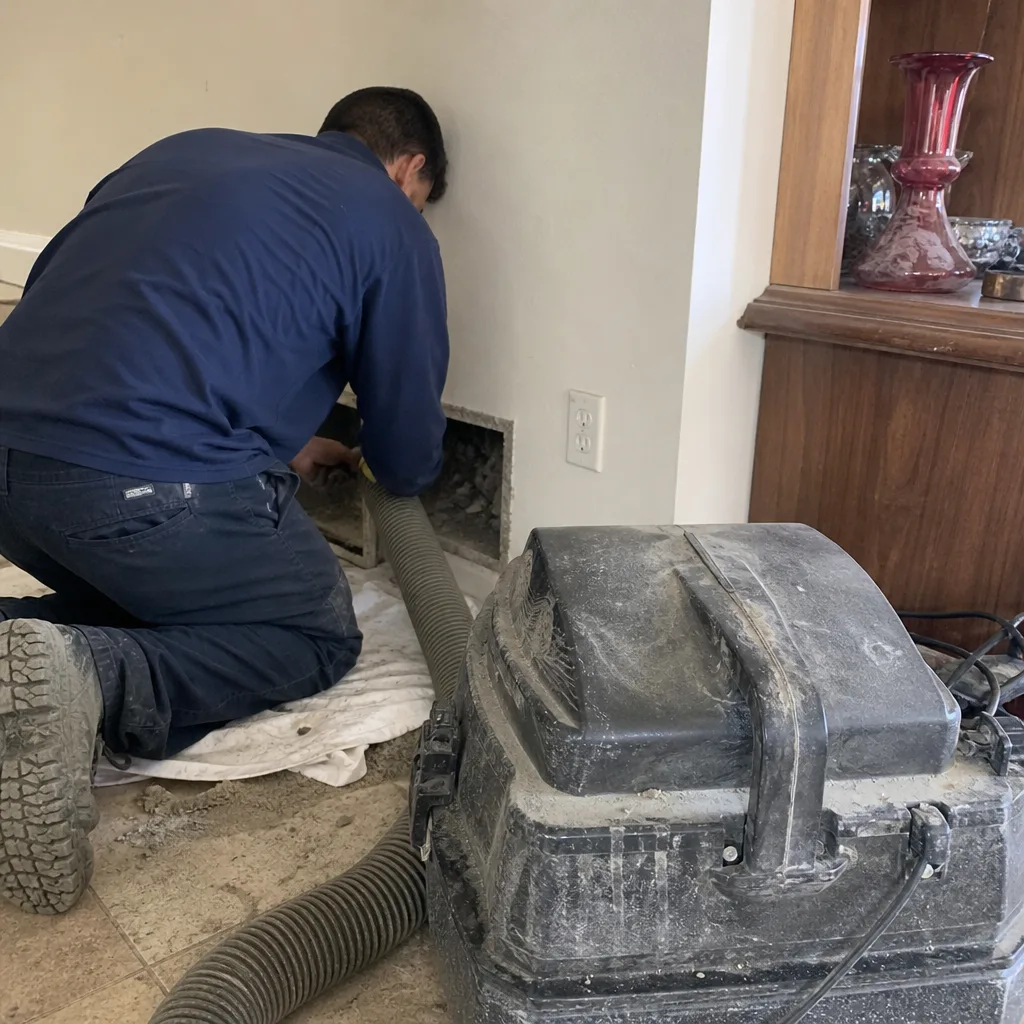 Before
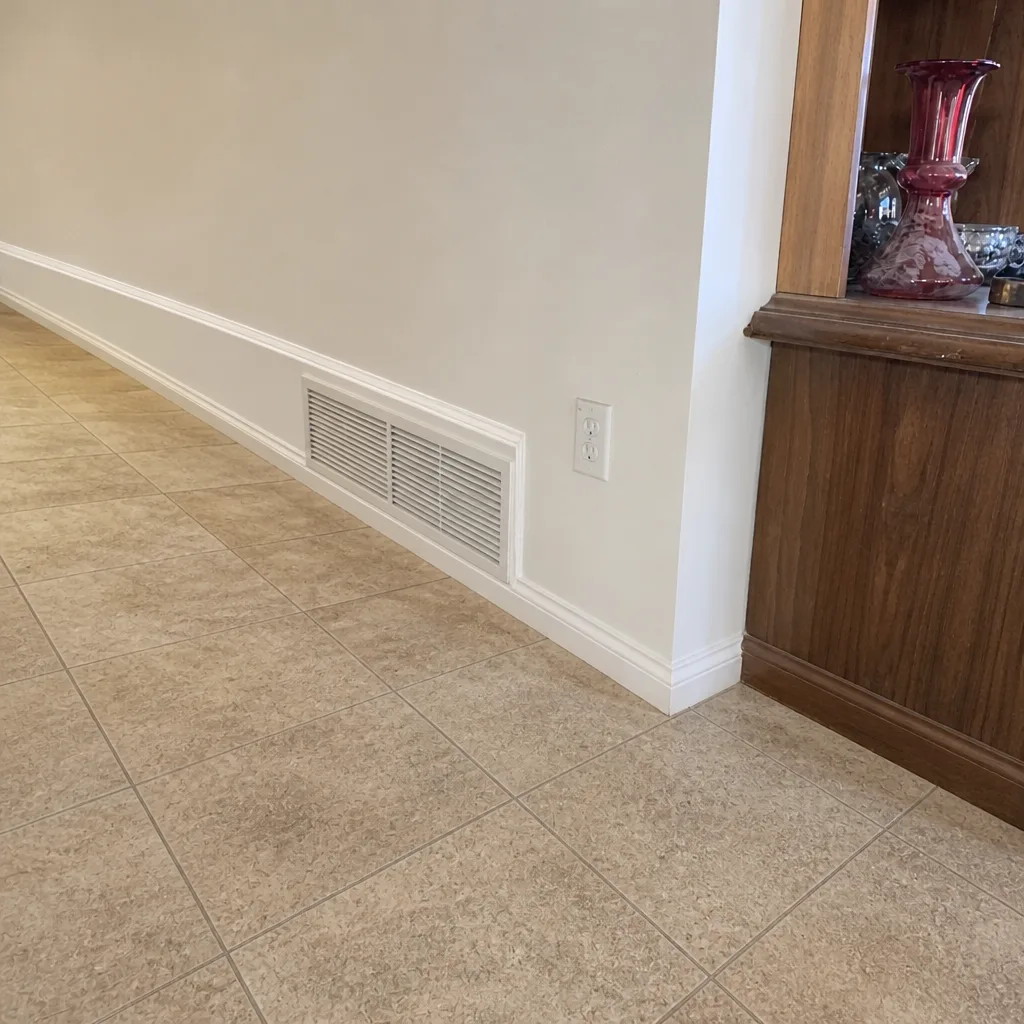 After
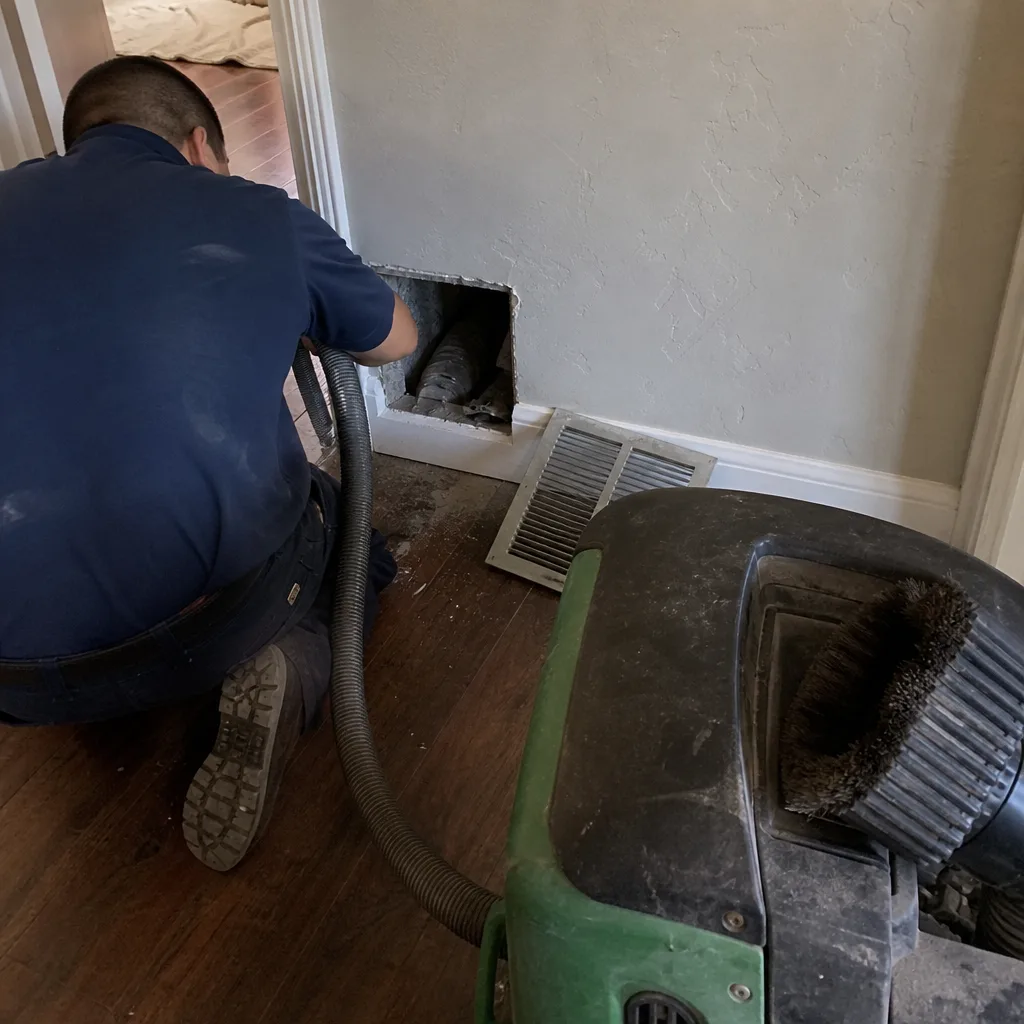 Before
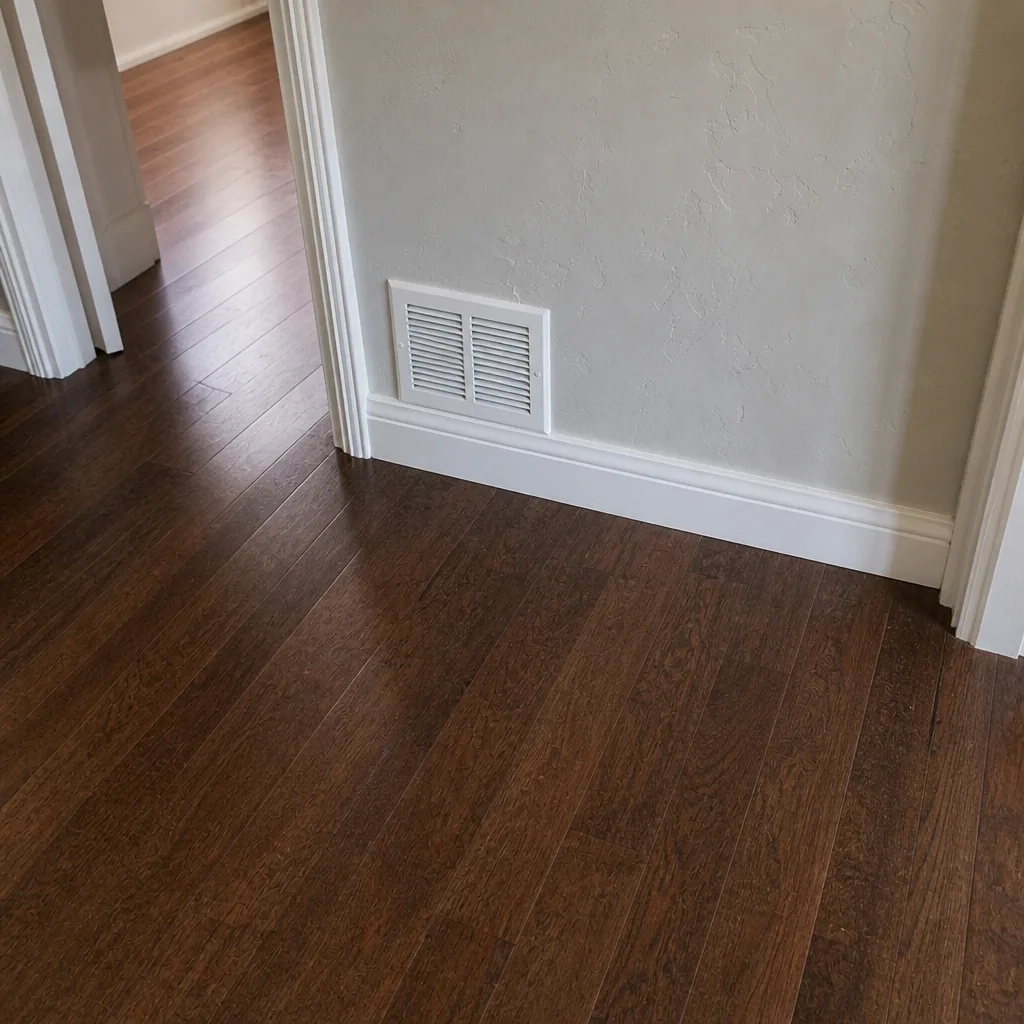 After
When to Call a Professional
Call when a room’s airflow has dropped and stayed down over two or more monthly logs. Call when you see tufted dust being pushed through supply registers, dark streaking around diffusers, or a persistent musty smell rather than a brief startup puff. Call if the home has had a remodel in the last year, if you’ve just purchased and don’t know the last cleaning date, or if attic-routed ducts are producing temperature swings that a filter change doesn’t fix. And call if the system hasn’t been professionally cleaned in two to three years. Tustin Air Duct Cleaning Pros offers free estimates in Tustin – call (844) 443-3616.
Frequently Asked Questions
Every two to three years for a typical home, and closer to every two years with pets, allergies, recent remodeling, or attic-routed ductwork. Tustin’s dry, dusty stretches and seasonal smoke push toward the shorter end. A full cleaning resets the baseline so your monthly checks are measurable against a clean system. Call (844) 443-3616 for an exact quote – estimates are free.
Returns pull harder and move more air than supplies, so they collect the film first. That’s normal. What isn’t normal is dust collecting in streaks or patches, which suggests the return run has a leak near the boot or the filter is bypassing. If it collects a visible haze within a few weeks of a cleaning, get the duct inspected. Call (844) 443-3616 – estimates are free.
Yes, mainly because the ducts are exposed to temperature swings, loose insulation, and dust, and disconnected or leaking runs are easy to miss. Attic ducts usually show up as temperature problems in one room before they show as dust problems. That’s why we recommend an annual professional sealing and inspection check for attic-routed systems. Call (844) 443-3616 for an exact quote – estimates are free.
Ask for before-and-after photos of your own ducts, not a generic gallery, and expect a walkthrough of what the technician found. We take photos of the return and at least one supply run before and after, so you can see the difference with your own system. Call (844) 443-3616 – estimates are free.
Usually because they clean only what’s visible, use consumer-grade vacuum equipment, or skip the equipment cabinet and returns. A full-system clean with contractor-grade Rotobrush and Nikro equipment takes longer and covers the entire air pathway. We recommend asking any contractor which equipment they use and what’s included before comparing prices. Call (844) 443-3616 for an exact quote – estimates are free.
It depends on what the inspection finds. If the ducts are dirty but sealed, a cleaning is enough. If there are leaks, disconnected runs, or dark streaking around registers, sealing is what keeps the clean from reversing. We handle repair and sealing alongside cleaning precisely because clean ducts are only half the job. Call (844) 443-3616 for a free inspection and estimate.
The Bottom Line
Keeping ducts clean in Tustin is less about remembering to schedule a cleaning and more about knowing what you’re looking at between visits. Run the ten-minute monthly register check, change the filter before Santa Ana season and after any smoke event, log airflow room by room so a restriction shows up early, and pay closer attention in pet households, after a remodel, and wherever the HVAC runs through the attic. Follow the seasonal calendar, and the decision to call becomes obvious rather than guesswork. Read more about our full Tustin Air Duct Cleaning Pros approach, or call us when a finding needs a professional eye.
Ready for a professional baseline? Tustin Air Duct Cleaning Pros offers free estimates in Tustin. Call (844) 443-3616. We answer 24/7. Fast dispatch from 7am to 7pm, Sunday through Friday.
Written by the team at Tustin Air Duct Cleaning Pros.