
Last updated November 25, 2026
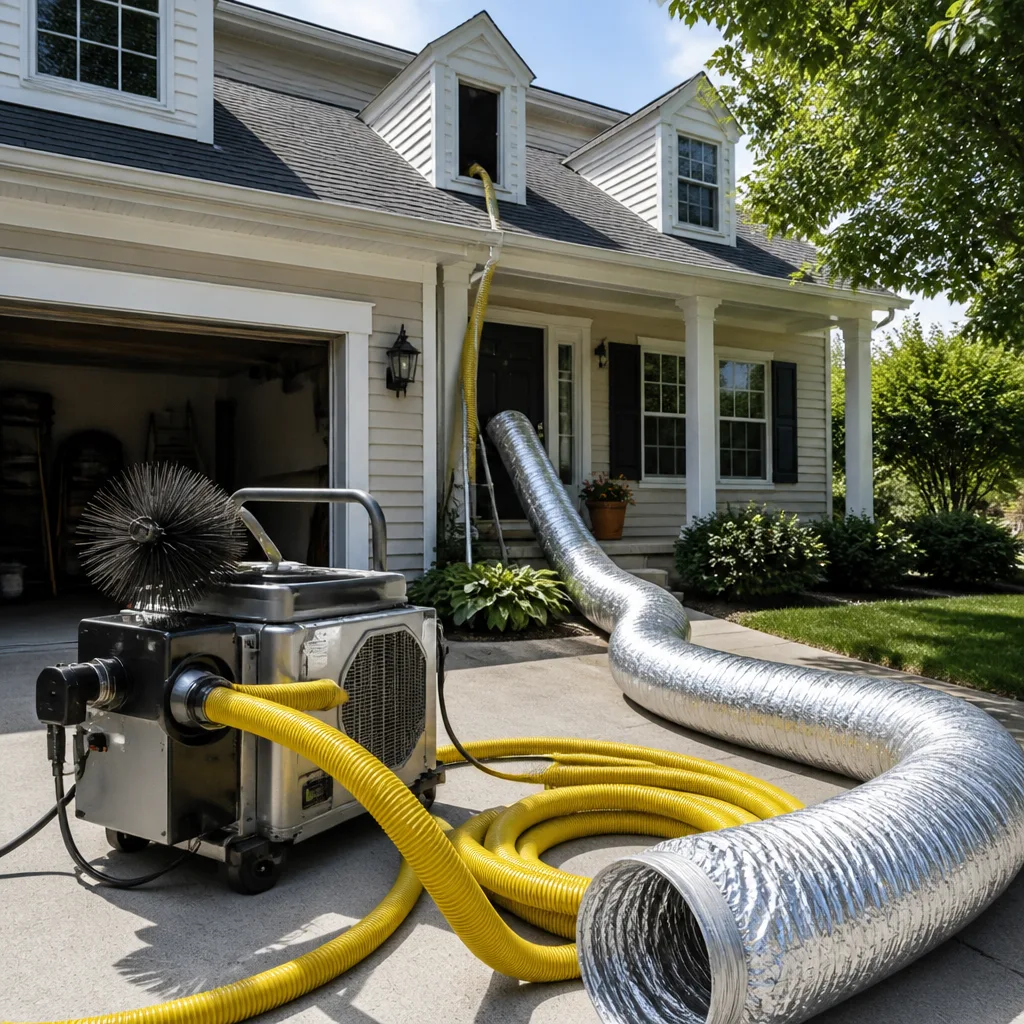 Whole-home duct cleaning
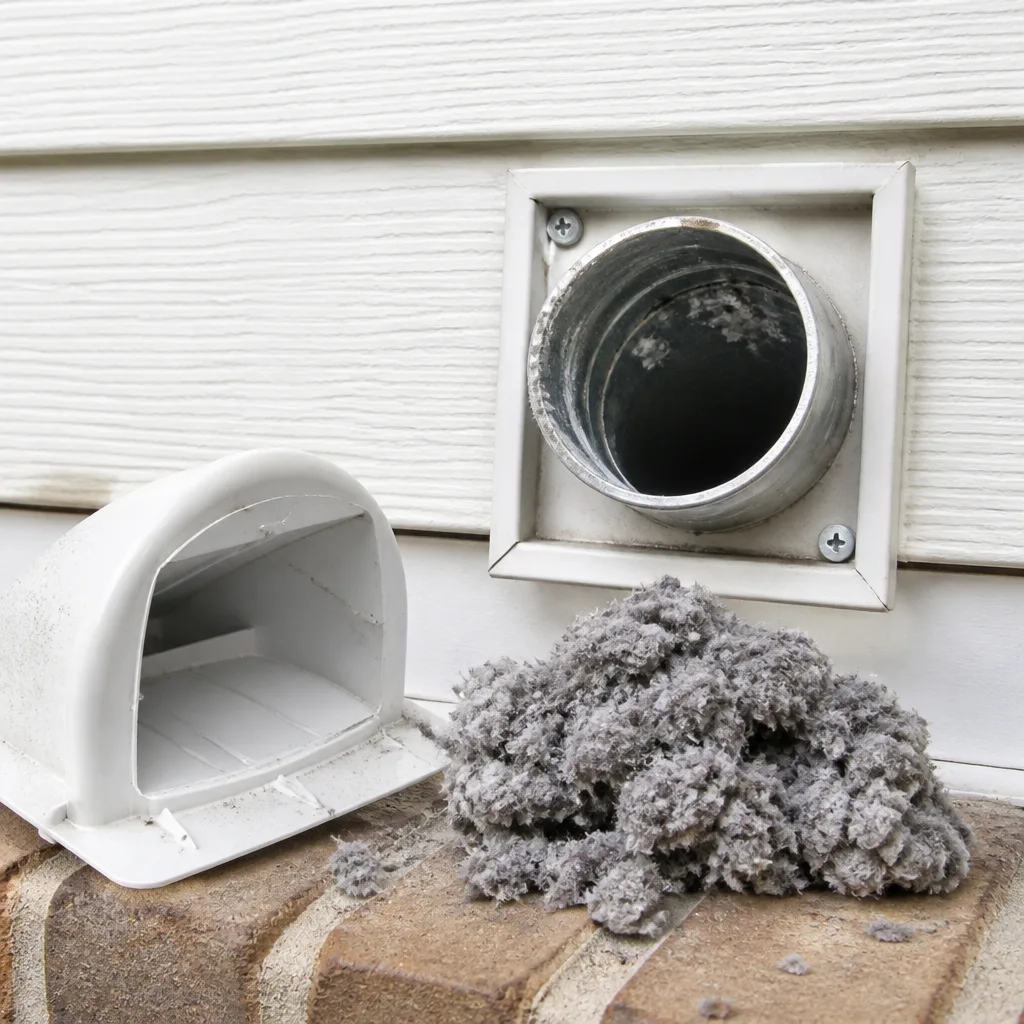 Dryer vent cleaning
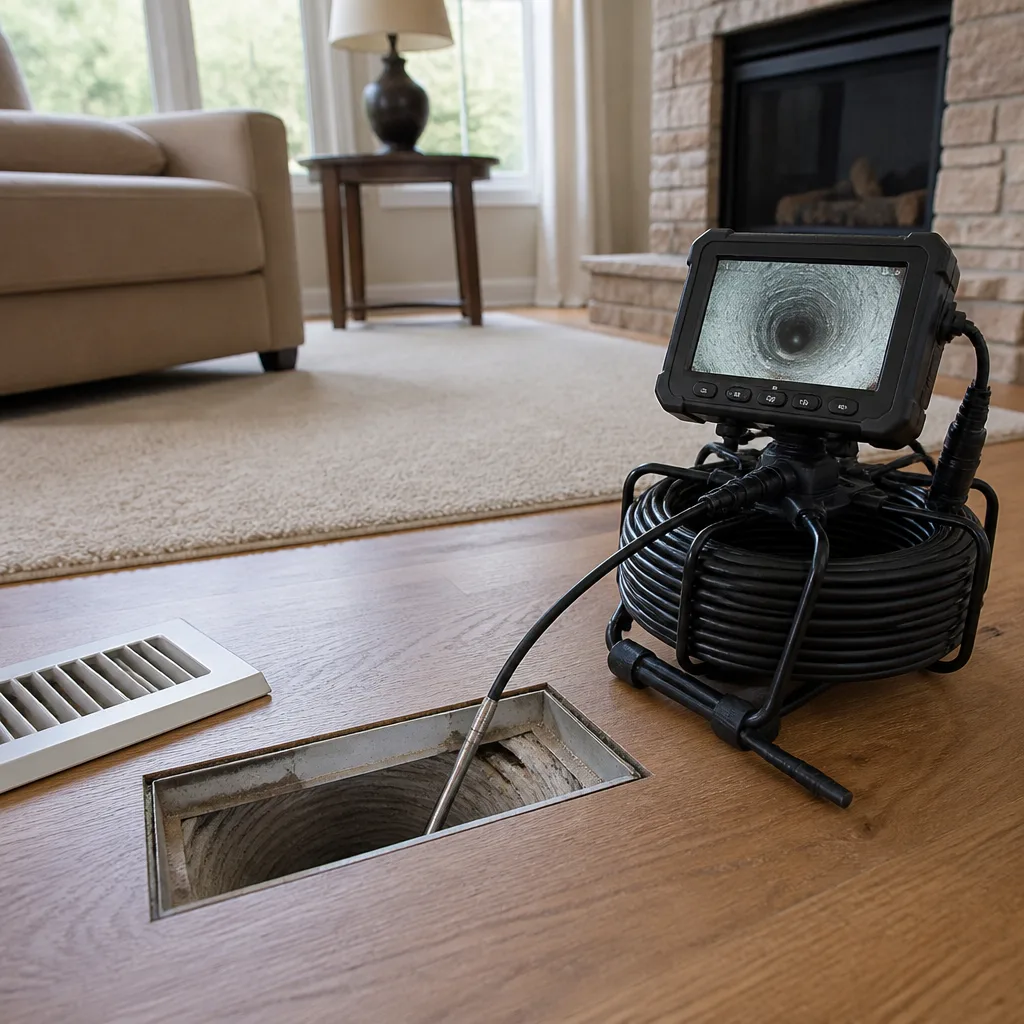 Camera inspection
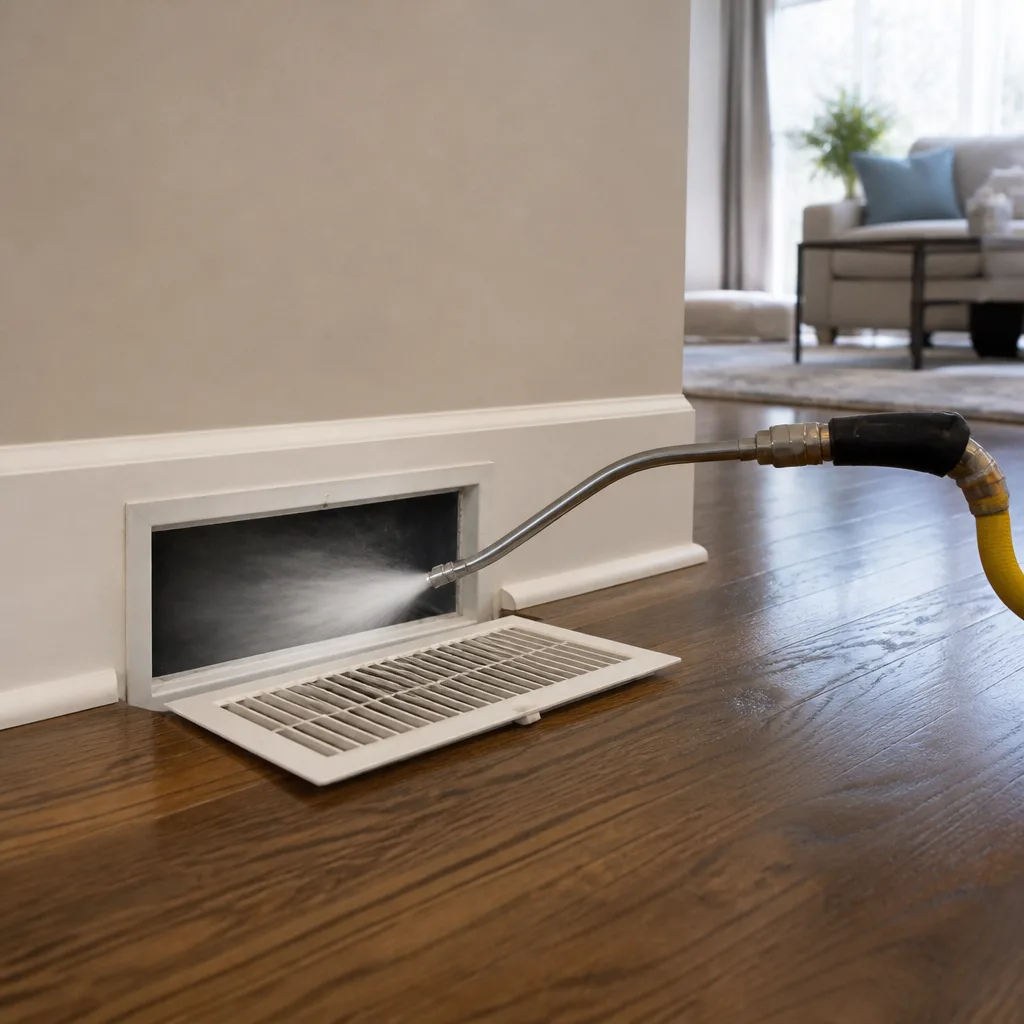 Sanitizing & deodorizing
Whole-system duct and dryer vent check with before-and-after photos - you see exactly what came out of your vents
That "$99 whole-house special" is a bait ad - the real number appears once they are in your hallway, or the "clean" is a shop-vac at the register. We photograph the inside of your ducts before and after instead.
Air Duct Cleaning Warning Signs: A Tustin Homeowner’s Reference Guide
If one room in your Tustin home always sits 4 to 6 degrees warmer than the thermostat setting, your ducts are more likely the cause than your HVAC unit. Most homeowners blame the equipment first and book a repair call that ends with a shrug. The ductwork is easier to overlook because it’s sealed inside walls and ceilings, so the evidence piles up as habits instead of alarms: the bedroom that’s always warm, the dust that returns two days after you wipe a shelf, the faint smell when the system kicks on. Over the years these signals get folded into normal life. This guide reframes each one as diagnostic data, so you can tell the difference between a thermostat quirk and a duct problem, and know which signs mean call someone now.
Quick Answer
The clearest warning signs that your Tustin home needs air duct cleaning or duct repair are uneven room temperatures of 4 to 6 degrees, dust that reappears within days of cleaning, musty or burning odors when the system starts, allergy symptoms that concentrate in one room, and whistling or popping sounds from the ductwork. Any one of these on its own is worth a look; three or more together usually points to a restriction, leak or contamination problem in the duct system rather than the HVAC equipment. A technician can confirm which it is with a visual inspection and airflow check.
Styles & brands we work with
- Whole-home duct cleaning
- Dryer vent cleaning
- Camera inspection
- Sanitizing & deodorizing
Table of Contents
- Uneven Room Temperatures: Your Ducts Are Talking
- Dusty House or Duct Bypass? Reading the Difference
- Odor Patterns From Your Vents and What Each One Means
- Allergy Symptoms in One Room but Not Another
- Whistling, Popping and Rattling: Decoding Duct Sounds
- What You Can See at the Register and Around the Unit
- Why Tustin Homes Get These Symptoms
- When to Call a Professional
Uneven Room Temperatures: Your Ducts Are Talking
A room that never reaches the thermostat setting is the most common duct warning sign we hear about in Tustin, and it’s also the most misread. People assume the air conditioner is losing capacity. Usually the equipment is fine and the duct system is delivering less air to that room than it should.
Two mechanisms cause most of it. The first is a restriction: a crushed or disconnected run, a damper stuck partway closed, or debris narrowing the branch that feeds that room. The second is a leak: a joint that has separated in the attic or a flex run that pulled loose at a takeoff. In both cases the room starves while the rest of the house gets its share, so the thermostat reads satisfied and shuts the system down before the problem room catches up.
A useful test is to compare the room against a second one on the same side of the house. If two rooms share the problem, look at the main trunk. If only one does, the branch run is the suspect. A 4 to 6 degree spread between rooms is the threshold where it’s worth having airflow measured rather than adjusting the thermostat higher and living with it.
The fix depends on the cause, which is why air duct cleaning alone doesn’t always solve a hot room. Cleaning clears a restriction caused by buildup; sealing closes a leak. Our technicians have up to 10 years of experience reading airflow, and they check both before recommending anything.
Signs the Temperature Gap Is a Duct Issue
- The gap holds steady no matter what you set the thermostat to.
- The problem room is the farthest from the air handler.
- Closing other vents makes the room better, which points to a supply problem.
- The room is warm in cooling season and cold in heating season, a sign of low airflow rather than a mode-specific fault.
Dusty House or Duct Bypass? Reading the Difference
Every home has dust. The question is whether the dust you’re seeing is a lifestyle factor or a symptom. A house with shedding pets, open windows on mild Tustin days and a lot of foot traffic will always show surface dust faster than an empty one. That’s normal.
Duct-driven dust looks different. It reappears within two or three days of cleaning a surface, and it collects more heavily near supply registers or directly under them. It has a fine, even quality rather than the clumpy texture of tracked-in soil. And it tends to concentrate on horizontal surfaces in the rooms that get the most airflow, because that’s where the supply is depositing it.
The mechanism behind it is called duct bypass: air escaping from a leak or a poorly sealed joint pulls insulation fibers, attic dust and construction debris into the airstream before it ever reaches the living space. That air arrives already loaded. Vacuuming the room can’t keep up with a supply that’s feeding dust in every time the system runs.
Here’s the distinction that matters: cleaning removes what’s already inside the ductwork, but sealing stops new material from entering. When we find bypass during an inspection, we recommend both. Professional-grade equipment like Rotobrush rotary brushes and Nikro HEPA vacuums pull the accumulated material out, and our duct repair and sealing service closes the path it was using to get back in.
Odor Patterns From Your Vents and What Each One Means
Odor is the most diagnostic of the warning signs, because different smells point to different mechanical causes. Pay attention to when the smell appears, not just what it smells like.
- Musty or earthy: Moisture is present somewhere in the system. In Tustin this often traces to a condensate drain issue, a wet coil, or duct insulation that stayed damp after a humid stretch. Musty air usually means microbial growth on a surface inside the air pathway.
- Burning or hot-plastic: This is the one to act on quickly. It can indicate a motor overheating, a failing blower bearing, or electrical components warming up. Stop running the system and have it checked rather than waiting to see if it clears.
- Chemical or solvent-like: Off-gassing from new flooring, paint, cabinets or furniture gets drawn into the return and recirculated. A recent renovation is the most common trigger. The smell lingers because the system keeps redistributing it.
- Stale or “basement” odor: Low airflow in a section of ductwork lets air sit and go flat. It usually accompanies a restriction or a disconnected run.
If the odor only appears on startup and fades after a minute, that’s the system pushing out air that has been sitting in the ducts overnight. Persistent odor throughout a run points to a source that’s still active. Sanitizing with Abatement Technologies and Guardsman products addresses the surfaces, but it only holds if the moisture or contamination source is fixed first. That’s the whole reason we clean and repair as one scope rather than treating odor as a standalone spray job.
Allergy Symptoms in One Room but Not Another
Seasonal allergies hit the whole house at once. Allergies that show up in one room and not another usually point to localized contamination in the ducts feeding that room. That’s a pattern worth investigating, because it narrows the search to a branch run rather than the entire system.
Contamination concentrates where airflow is lowest. A branch run with a leak, a sagging flex section, or a register that’s partly blocked accumulates dust and biological growth that the rest of the system doesn’t. When the system runs, that room gets a concentrated dose while other rooms get filtered air.
Environmental context matters here. Tustin sits in a valley basin where airborne particulate from surrounding areas settles on still days, and the region’s dry, warm stretches produce plenty of fine dust that finds its way into return air. A house that keeps its windows open on mild evenings will load its returns faster than one that stays closed. That’s not a reason to keep the windows shut; it’s a reason to check the return-side filtration and the ductwork it feeds.
If you’ve ruled out a pet, a new piece of furniture and a plant in that room, the next step is an inspection of the run serving it. If the room is also the one that never reaches temperature, treat both symptoms as one problem.
Whistling, Popping and Rattling: Decoding Duct Sounds
Ductwork makes noise, and the type of noise narrows the cause considerably. Here’s how to sort the common ones by likely cause and how urgently they deserve attention.
- Whistling at a register. High-velocity air squeezing through an opening that’s too small for the volume being pushed. Often a partially closed damper, a crushed flex run, or a filter that’s loaded and forcing the blower to work harder. Moderate urgency: it usually means airflow is being choked somewhere.
- Popping or booming when the system starts and stops. Sheet metal flexing as pressure changes. Sometimes harmless, but when it starts suddenly it often follows a duct that has come loose or a damper that’s been moved. Worth a look.
- Rattling or buzzing. Loose duct hangers, separated joints, or a blower component that’s working itself loose. Can be a maintenance issue rather than a cleaning one.
- Rushing or roaring from the return. A return that’s undersized or blocked by furniture. Reducing the return’s capacity strains the whole system.
- Clicking or ticking that cycles with the blower. Debris or a loose fitting contacting moving parts. Quick inspection recommended.
The urgency rule is simple: noise that started suddenly after nothing changed in the house deserves a same-week look. Noise that has been there for years at the same level is lower priority but still worth mentioning during an inspection. Burning smell plus noise is the combination that moves to the top of the list.
What You Can See at the Register and Around the Unit
Some warning signs don’t need interpretation. You can see them directly if you know where to look.
- Visible dust on the register grille or the first few inches of duct behind it. Likely a filter that’s overdue or a supply run that’s pulling unfiltered air.
- Dark staining around a register frame. Air has been moving through a gap for a long time and depositing particulate as it goes.
- Loose or detached flex duct in the attic. A disconnected run is dumping conditioned air into the attic and pulling contaminants in at the same time.
- Condensation or water staining near the air handler. Moisture in the system is a musty-odor waiting to happen. Fix the drain side before sanitizing anything.
- Dust streaks on the blower or coil behind the access panel. A loaded coil reduces airflow and can push dust downstream.
- Debris visible in the return drop above the filter. A return drop that’s been open to attic air collects material that then goes straight into the system.
If you see any of these when you change a filter, take a photo. It’s easier to reason about the problem with an image in hand, and a technician can match it to what the system is doing on a pressure reading. When a filter change turns into a visible problem deeper in the system, that’s the point where a routine HVAC cleaning visit makes more sense than another filter swap.
Why Tustin Homes Get These Symptoms
Tustin’s housing stock spans a wide range. Mid-century tract homes near Old Town and along the older residential streets often have original sheet metal ducts, hardwood-based framing, and attic systems that have been modified several times. Newer neighborhoods closer to the foothills tend to have flex duct systems with tighter construction and different filtration setups. Both types show the same warning signs for different reasons.
The older stock has more leaks because sheet metal joints separate over time and tape fails. The newer stock has more restrictions, because flex duct can kink or crush when it’s routed through a tight attic. In some homes we find both. That’s not a knock on either era; it’s simply how each one ages.
Climate plays a part as well. The region’s long dry stretches pull moisture out of materials, and the rainy season pushes humidity back in. Duct insulation that absorbs moisture during the wet months stays dank inside the duct for the rest of the year. Tustin’s mild winters mean the system doesn’t get a hard freeze cycle to reset anything, and the attic reaches high temperatures in summer, which can stress aged sealants and flex runs equally. In practice, the homes we inspect most often check out fine on the equipment side and show their problems in the ductwork.
When to Call a Professional
Some warning signs are worth watching for a few weeks. Others are worth calling about now. Call when three or more signs from this guide are present at the same time, when you smell burning or hot plastic from a vent, when a room stays more than 6 degrees off the thermostat setting no matter what you try, or when you see water staining in the ductwork or near the air handler. Get on the schedule when you’re about to renovate, move into a home with an unknown service history, or notice allergy symptoms that concentrate in one room after ruling out everything else.
If you’re not ready for a full inspection, start with dryer vent cleaning; a dryer vent that’s been ignored for years is a separate hazard with its own warning signs, and it often gets bundled into the same visit.
Tustin Air Duct Cleaning Pros offers free estimates in Tustin: call (844) 443-3616. We answer 24/7. Fast dispatch from 7am to 7pm, Sunday through Friday. We’ll come out, look at the whole air pathway, and tell you exactly what we find before any work starts.
See the difference
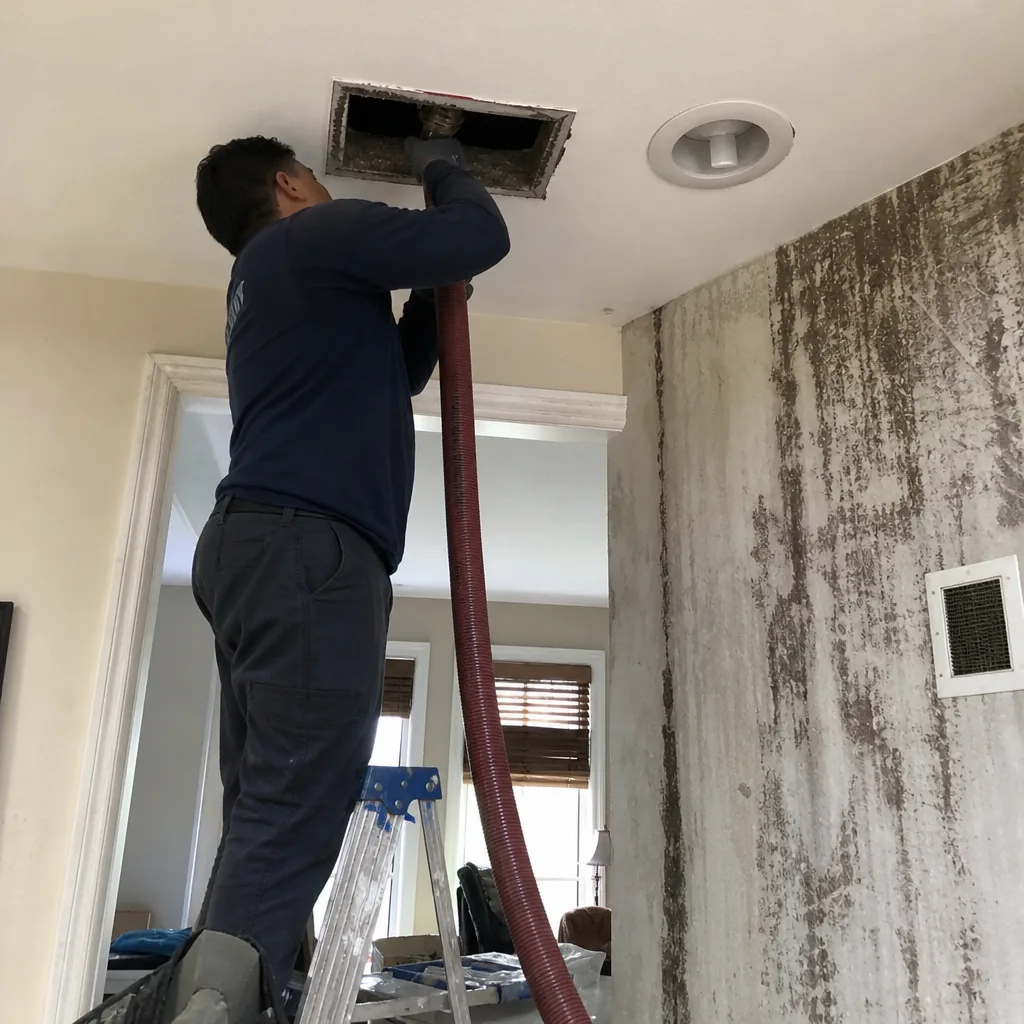 Before
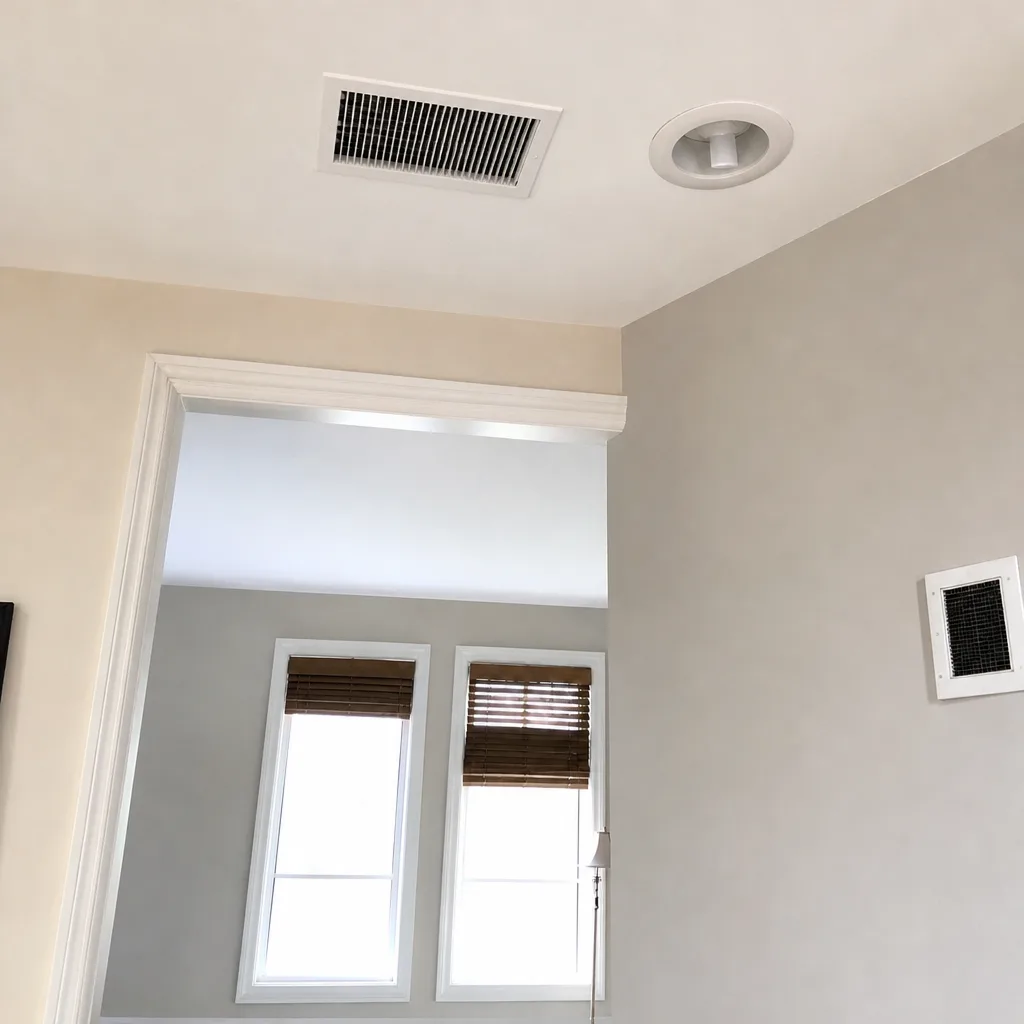 After
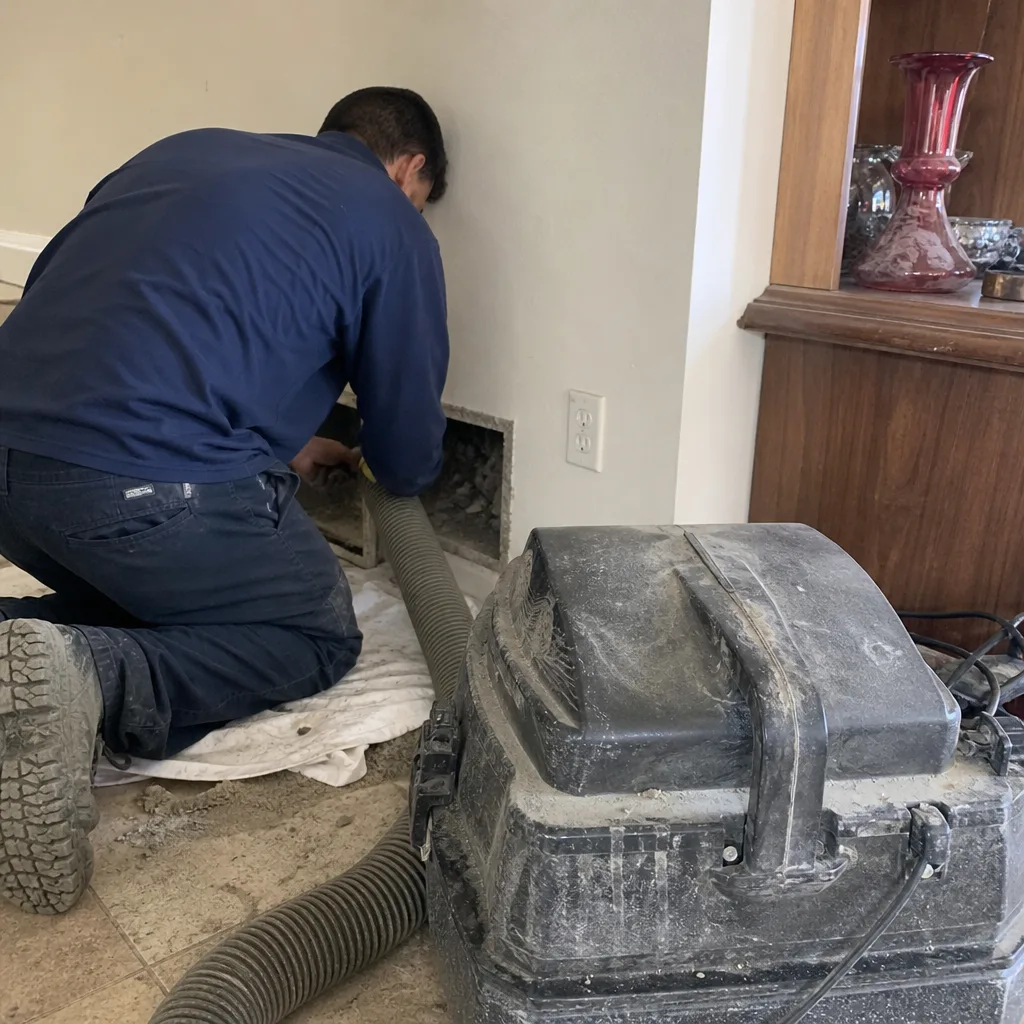 Before
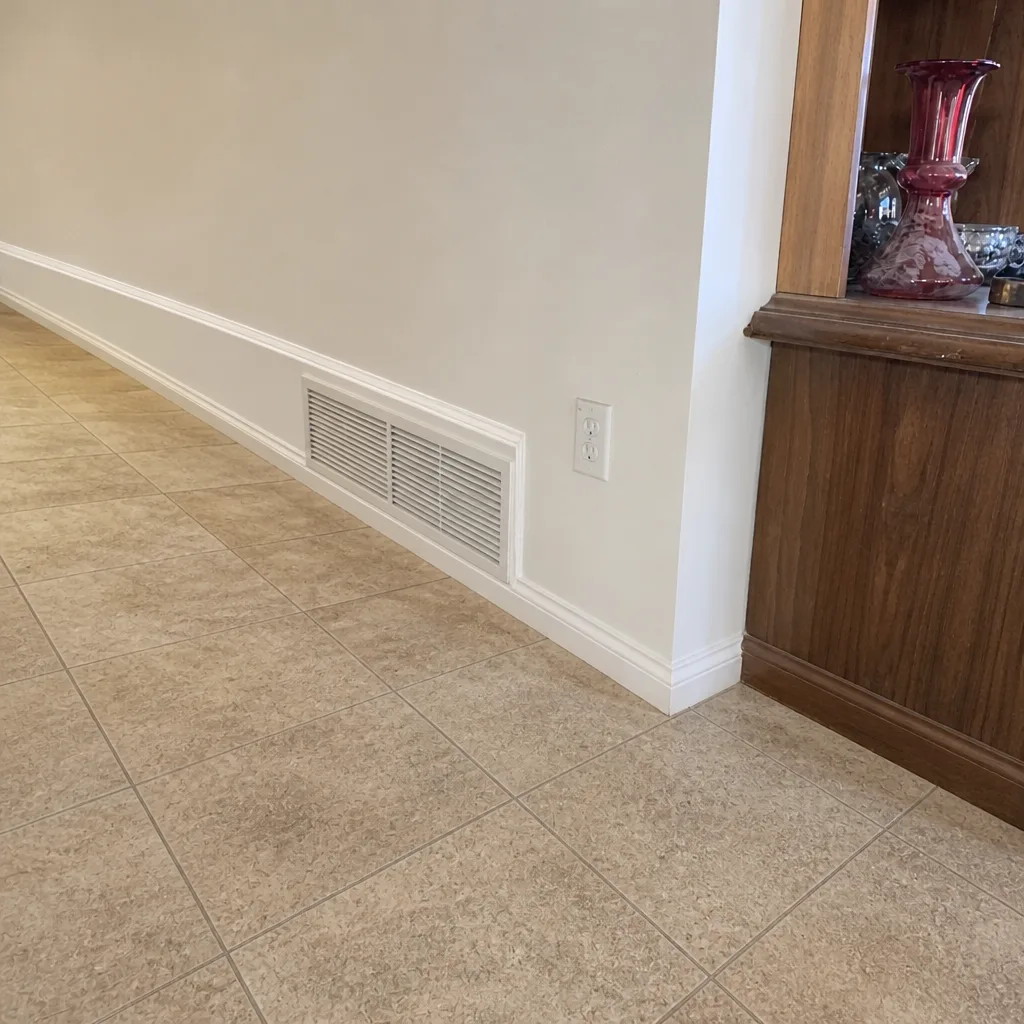 After
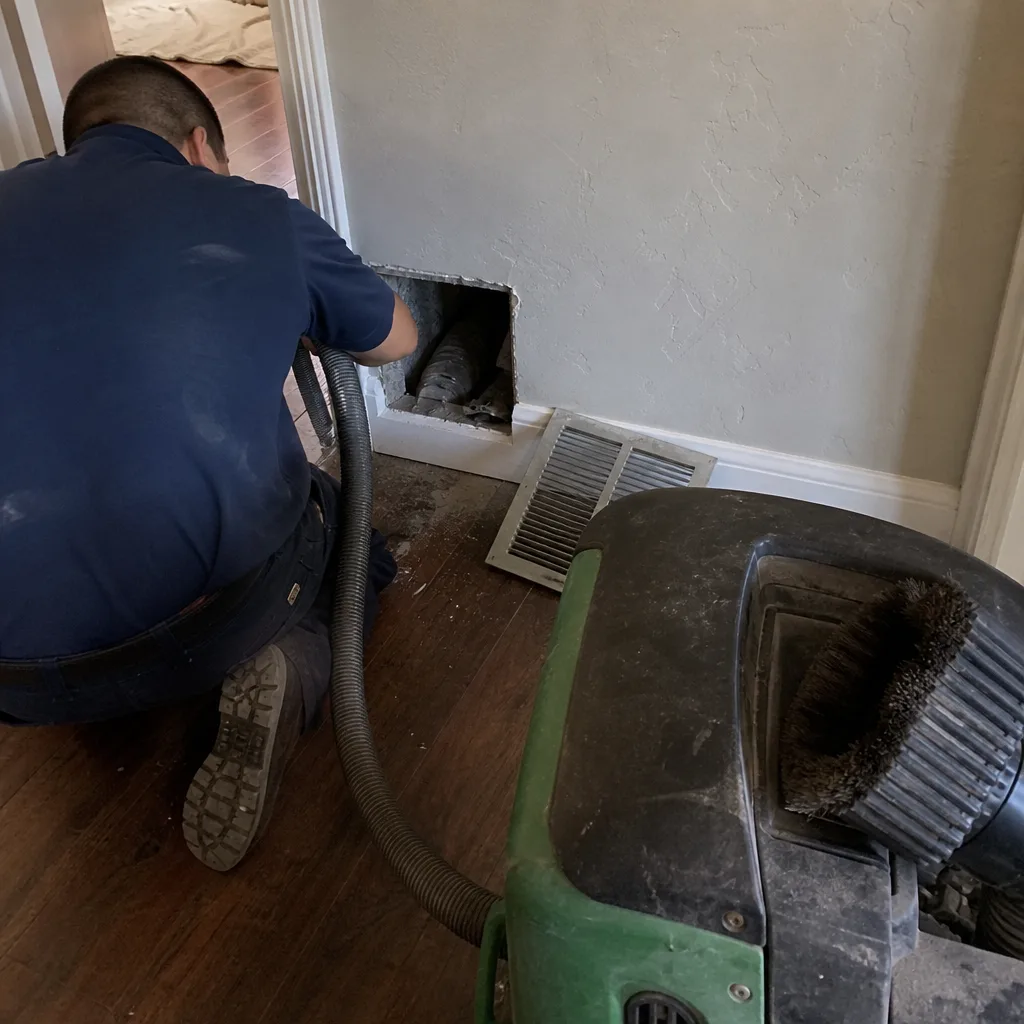 Before
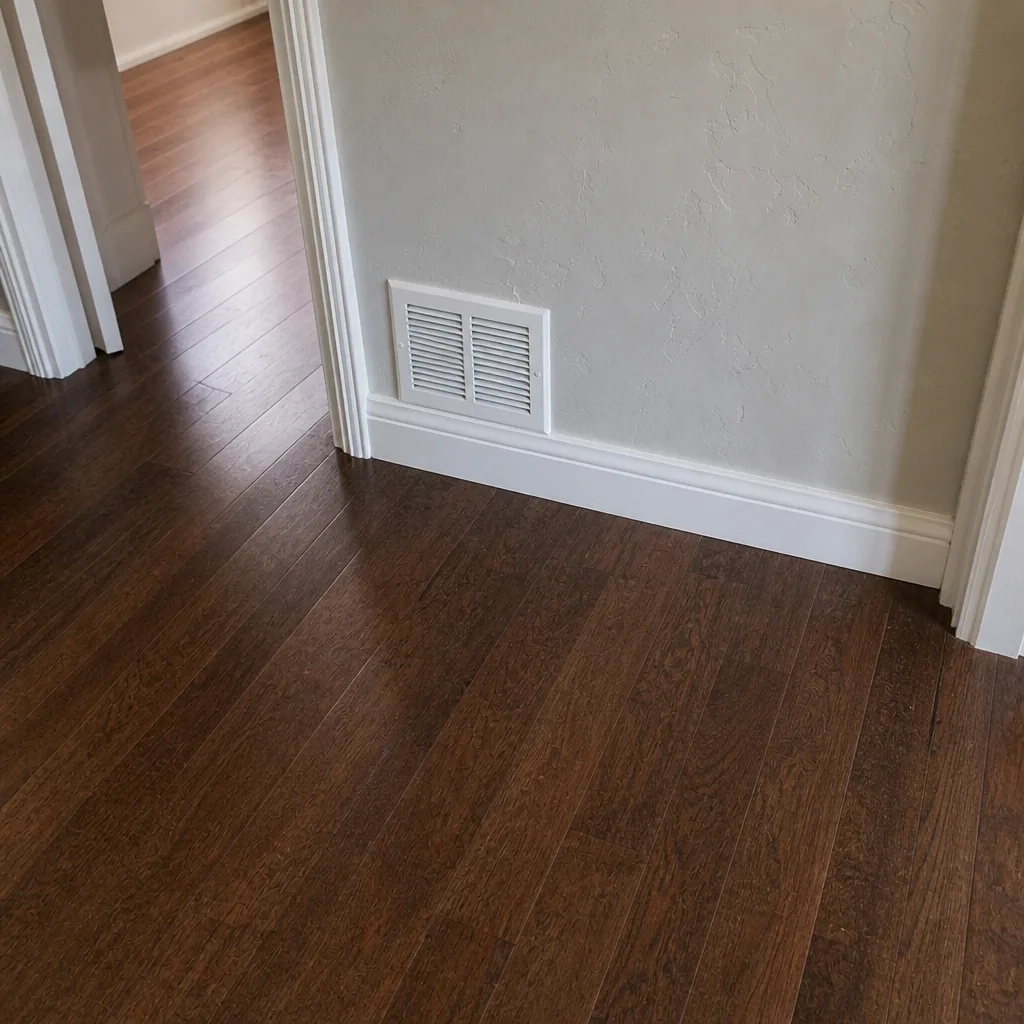 After
Common Mistakes to Avoid
- Blaming the HVAC equipment first. A unit that isn’t reaching the setpoint is often doing its job against a restricted duct system. Get the ducts checked before you book a repair call for the equipment.
- Buying a coupon price on a system you haven’t had inspected. A discount ad can’t know how many ducts, returns or branches your Tustin home has until someone walks through it. The honest quote is the one that arrives in writing after the inspection.
- Cleaning without sealing. Removing the material in the ducts but leaving the leaks and gaps that fed it means the problem returns at the next dust storm. Clean, then seal.
- Sanitizing before fixing the moisture. A spray on a wet coil or a damp duct run does nothing that lasts. Find the source of the moisture first.
- Filtering only at the return and ignoring the attic. A return drop that’s open to attic air loads the system faster than three filter replacements can compensate for.
- Treating a hot room as a thermostat setting to live with. Adjusting the setpoint until the house “feels right” hides the problem and pushes the rest of the house to compensate. Read the gap instead.
- Skipping the dryer vent. A clogged dryer vent has a separate set of warning signs and a shorter decision window than most ductwork issues. If it hasn’t been checked in a few years, include it.
Frequently Asked Questions
Most homes in Tustin go longer than you’d think, and the honest answer is that the interval depends more on the house than the calendar. A home with a well-sealed duct system, a maintained filter schedule and no pets can go years between cleanings; a home with pets, recent renovation dust, a return open to the attic or visible dust at the registers may need it far sooner. Watch for the warning signs in this guide rather than setting a rigid clock. When three or more signs show up at the same time, book an inspection. Call (844) 443-3616 for an exact quote; estimates are free.
Low quotes usually work because they cover less than the whole system: one trunk, a handful of registers, or a surface blow-through that doesn’t reach the accumulated material inside the branches. Per-vent pricing is a version of the same problem, because the price lands before the technician has seen the house. We work one flat price per system, agreed in writing before any work starts, and we take before-and-after photos of your own ducts so you can see what was actually removed. Call (844) 443-3616 for a free estimate; the written number is the number.
You should see before-and-after photos of the ducts in your own house, not stock images of somebody else’s job. Ask for them. A technician using professional-grade equipment can also pull the access panel at the air handler and show you what the coil and blower look like on both sides of the visit. Ask which brands the crew uses; if the answer is a consumer shop-vac rather than a rotary brush and HEPA vacuum system, that’s a useful thing to know before the work starts. Call (844) 443-3616 if you want to talk through what an inspection will cover.
Sometimes, and only when the cause is buildup or a restriction. Cleaning clears accumulated dust and debris that’s narrowing a branch run, and that can restore airflow to a starved room. But a separated joint, a crushed flex section or a detached takeoff will keep the room underfed until it’s repaired and sealed. Repair and sealing catch the mechanical causes; cleaning handles the buildup. Tustin Air Duct Cleaning Pros runs both under one visit, so you don’t get a cleaning report that leaves the underlying problem in place.
Yes, and the timing matters more than the cleaning. Drywall dust, insulation fibers and fine construction particulate travel further than the room being worked on. If the system runs during the project, that material gets pulled into the return and settles through the ducts. Have the system inspected and cleaned after the heavy dust work is finished, not before, or you’ll be cleaning it twice. If the renovation involved new flooring, paint or cabinets, the chemical off-gassing can also linger in the ducts, and a sanitizing step after cleaning helps. Call (844) 443-3616 for an estimate on post-renovation work.
Stop running the system and get it checked. Burning or hot-plastic smell from a vent can mean a motor is overheating, a blower bearing is failing, or an electrical component is warming up, and none of those improve with use. It can also come from dust on a heat exchanger, which is less urgent but still worth a look. Don’t test it by running the system to “see if it clears” – shut it down, open a window and call for service. We answer 24/7. A call outside dispatch hours is booked into the next opening, Sunday through Friday, 7am to 7pm.
The Bottom Line
The warning signs your ducts need attention are almost never loud. They’re quiet patterns – a room that’s always a few degrees off, dust that returns fast, a smell at startup, a whistle from a vent, allergy symptoms in one room – and the reason they get missed is that they feel ordinary after a few years. Read them instead. Three or more together point to the ducts rather than the equipment, and the fix is usually both a cleaning and a repair, whichever comes first in your specific case. If you want a second set of eyes on what your system is doing, Tustin Air Duct Cleaning Pros offers free estimates in Tustin: call (844) 443-3616. We answer 24/7. Fast dispatch from 7am to 7pm, Sunday through Friday. We’ll inspect the whole air pathway and put the findings in writing before any work begins.
Written by the team at Tustin Air Duct Cleaning Pros.