
Last updated November 25, 2026
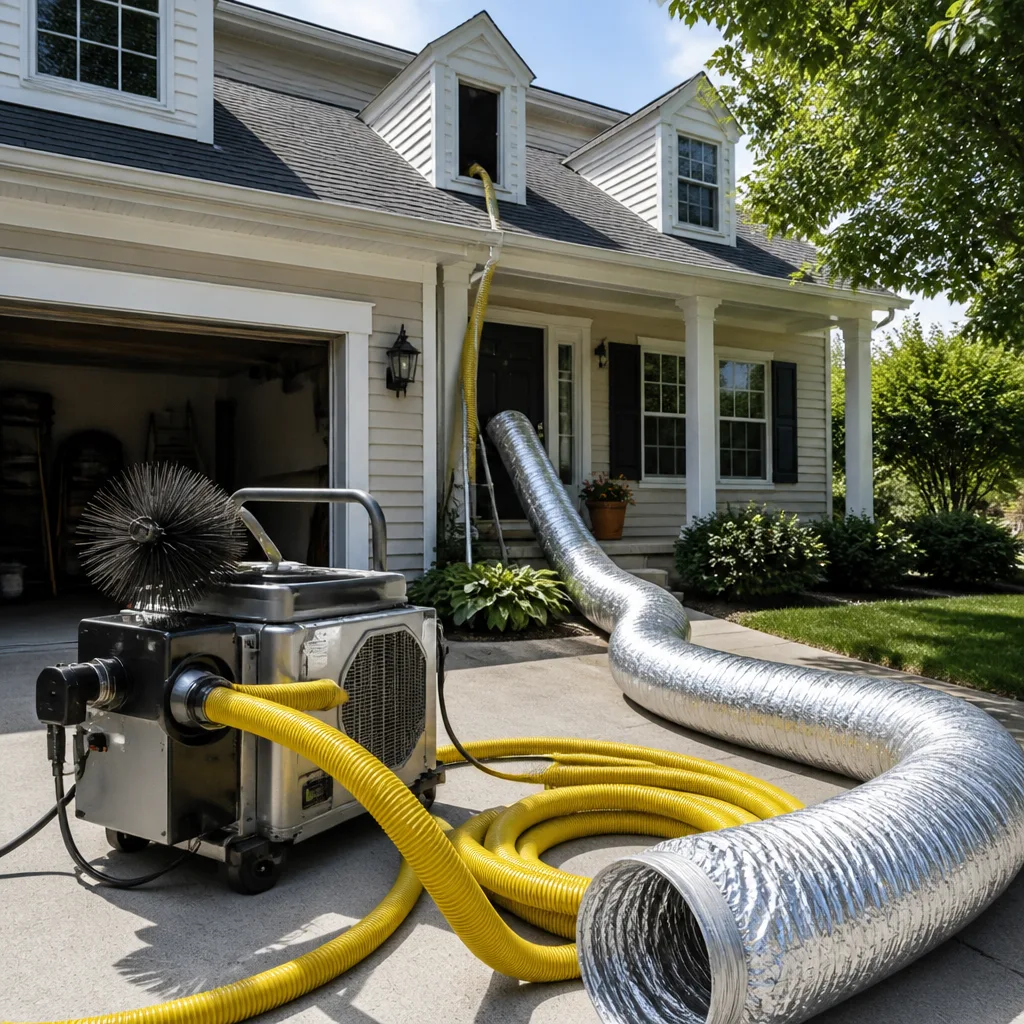 Whole-home duct cleaning
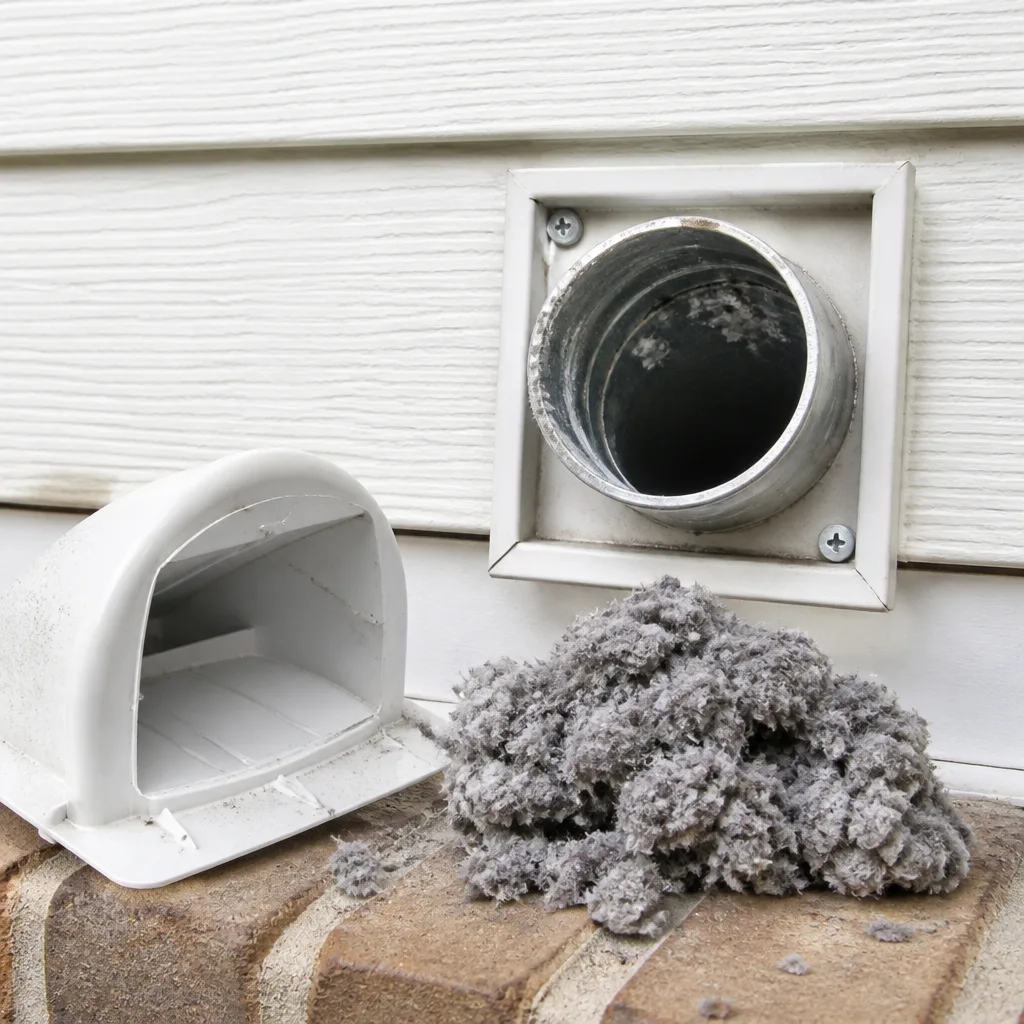 Dryer vent cleaning
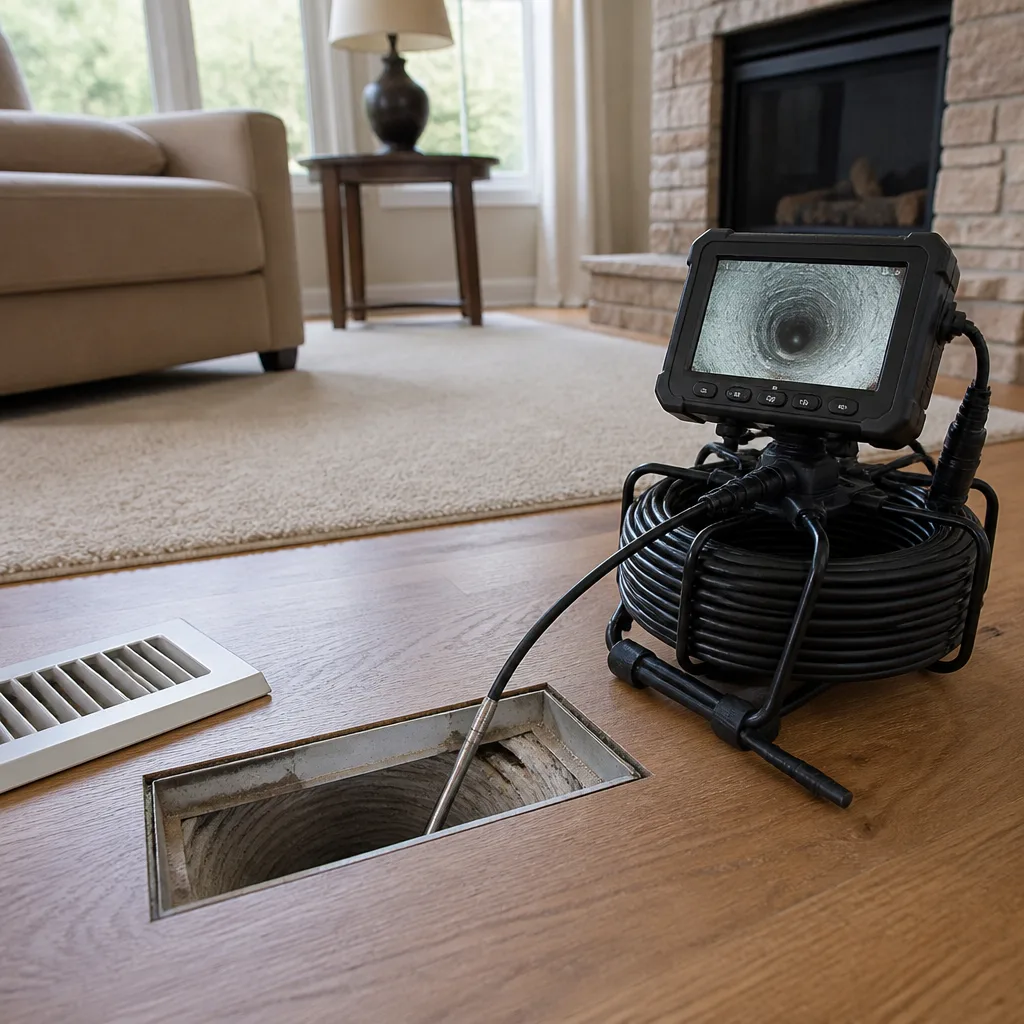 Camera inspection
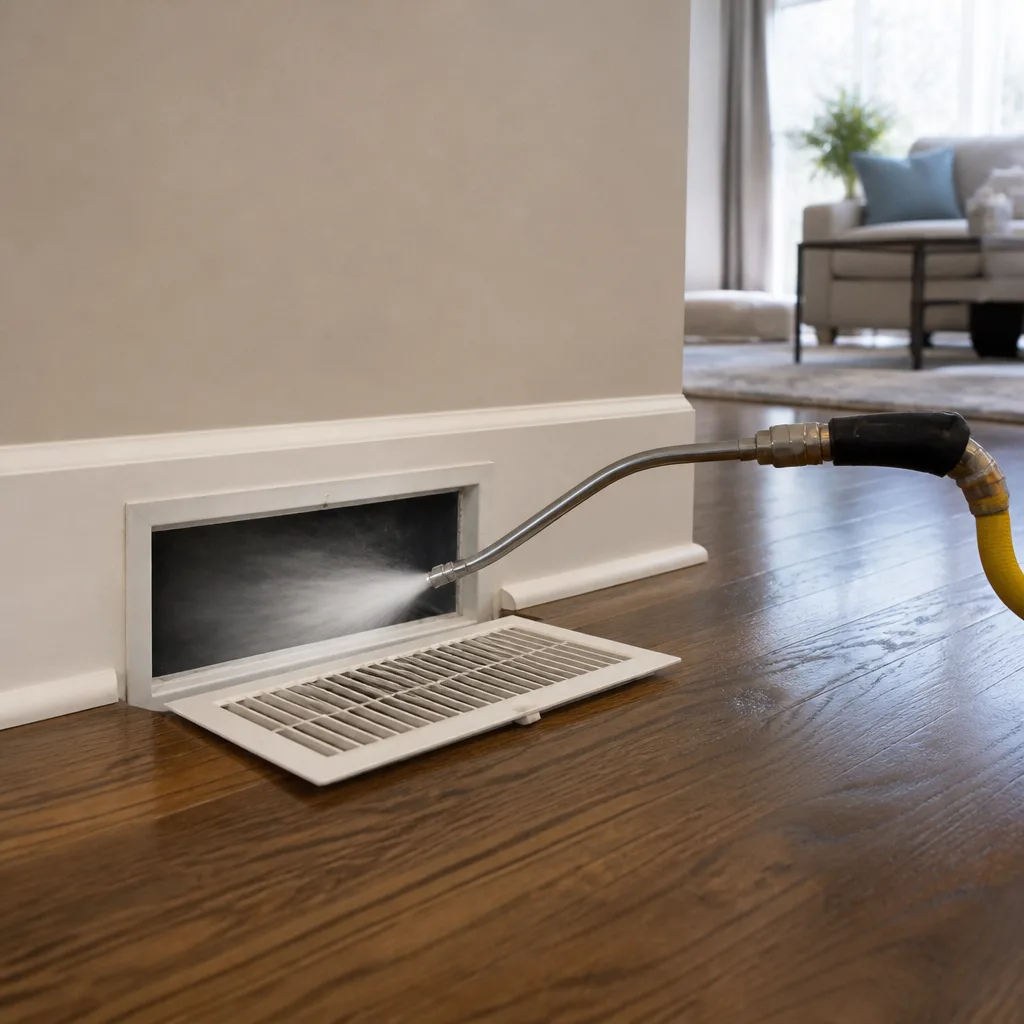 Sanitizing & deodorizing
Whole-system duct and dryer vent check with before-and-after photos - you see exactly what came out of your vents
That "$99 whole-house special" is a bait ad - the real number appears once they are in your hallway, or the "clean" is a shop-vac at the register. We photograph the inside of your ducts before and after instead.
DIY vs Professional Air Duct Cleaning: The Tustin Homeowner’s Decision Guide
Most homeowners assume the only thing standing between them and clean ducts is a free afternoon and a rented machine. It isn’t. Duct cleaning isn’t a scrubbing problem, it’s a pressure problem. A shop vac or a rented kit moves a small volume of air; a contractor-grade vacuum moves enough air to pull debris out of long runs and corners where dust settles and stays. The difference isn’t effort. It’s physics. In this guide we’ll walk through exactly where the DIY line sits, what a homeowner can legitimately handle, and the specific situations where a do-it-yourself attempt makes a Tustin home’s ducts measurably worse. You’ll finish knowing which side of that line your house is on.
Quick Answer
DIY air duct cleaning only makes sense for surface-level tasks like wiping the vent covers and vacuuming the register grilles. Anything that requires reaching into the duct runs themselves, removing settled debris, sealing leaks, or sanitizing the system is work for professional-grade equipment. Consumer machines move air, but they don’t move enough air to extract what’s built up inside a duct run, so the debris often gets loosened and redistributed instead of removed. For most Tustin homes older than a decade, or any home with allergies, pets, recent renovation dust, or visible debris at the registers, the professional route clears the system; the DIY route stirs it up.
Styles & brands we work with
- Whole-home duct cleaning
- Dryer vent cleaning
- Camera inspection
- Sanitizing & deodorizing
Table of Contents
- The Physics of Duct Cleaning: Why Suction Volume Matters
- The CFM Gap: Consumer Kit vs. Contractor Equipment
- What a Homeowner Can Legitimately Do Themselves
- Three Scenarios Where DIY Makes the Problem Worse
- The Real Cost of DIY vs. Professional Cleaning in Tustin
- What Professional Equipment Actually Does
- Tustin’s Climate and Housing Stock: Why Local Context Matters
- How to Vet a Duct Cleaning Company in Tustin
The Physics of Duct Cleaning: Why Suction Volume Matters
Duct cleaning works by creating a pressure differential. A vacuum pulls air out of the duct system through one opening while a brush or air whip agitates the debris inside. If the vacuum is strong enough, the debris travels with the air to the collection point. If the vacuum is weak, the debris lifts off the duct wall, tumbles a few feet, and settles again further downstream. That’s the whole story.
The metric that matters is CFM, or cubic feet per minute, which measures how much air moves through a system, not how hard any single point is sucked. A consumer-grade shop-vac might generate around 150 CFM of airflow at the hose. A professional truck-mounted or large portable duct vacuum is running in the thousands of CFM range because it’s designed for long duct runs with multiple turns, not a three-foot hose attached to a bucket.
In a Tustin house, duct runs are often long and add large trunk-and-branch configurations. A single-story ranch-style home in neighborhoods like Old Town Tustin may have runs snaking under a raised foundation, and a two-story home in Tustin Ranch or North Tustin will typically have attic runs feeding upstairs bedrooms. Every 90-degree turn in a run costs airflow. Every slice of flex duct adds resistance. By the time a weak vacuum’s pull reaches the far end of a run under a second-story floor, there’s very little left. The debris that lifted doesn’t get sucked out. It gets left behind.
This is why we tell Tustin homeowners that duct cleaning isn’t a scrubbing task. Debris removal depends on moving enough air to carry it the whole way out of the system, and that requires equipment sized for a full house, not a single register.
The CFM Gap: Consumer Kit vs. Contractor Equipment
The gap between a rented consumer machine and the professional rig is roughly two orders of magnitude. A typical rented duct cleaning kit uses a wet/dry vacuum motor fed through a reducer hose, and the effective pull at the end of a 25-foot run is a fraction of what the machine is rated for. Professional systems are built to hold a strong pull through a full-house duct layout.
Here’s the comparison in plain terms:
- Consumer wet/dry kit: airflow measured in the low hundreds of CFM at the hose, much less downstream. Fine for a short, straight run. Poor at pulling debris through turns.
- Contractor-grade rotary brush system (Rotobrush-style): a rotating brush head driven by a flexible shaft, paired with a HEPA vacuum that captures dust at the source. The brush agitates; the vacuum extracts.
- Professional HEPA extraction systems (Nikro-style): designed for sustained negative pressure across the whole duct system, with HEPA filtration so the dust that does get pulled out stays in the collection chamber instead of airborne in the living space.
We use Rotobrush and Nikro on Tustin jobs because that equipment is standard among commercial and industrial duct cleaning contractors. The pull is sustained through long runs and the filter stack captures fine particles so nothing blows into the room. That matters in a Tustin home where the ducts feed bedrooms, kitchens, and living rooms in a closed-loop HVAC system. Stronger suction alone doesn’t solve the problem if the exhaust is being dumped back into the house. What matters is suction volume, filtration, and containment together.
What a Homeowner Can Legitimately Do Themselves
Plenty of routine duct-related maintenance is fine to handle yourself. None of it requires reaching into the system or generating significant suction. If you’re going to spend a Saturday morning on ducts, spend it on the parts you can actually reach, and skip the rest.
Here’s what’s genuinely worth doing yourself:
- Remove and wash the register grilles. Pop each cover off with a screwdriver, soak it in warm soapy water, rinse, dry, and reinstall. This is the single highest-value DIY task because grilles trap a lot of dust on the visible face that gets recirculated every time the system runs.
- Vacuum the visible register boots on the room side. With the grille off, use a brush attachment on a household vacuum to remove dust from the visible metal boot just inside the register opening. Don’t push the hose deeper than a foot into the run. What’s beyond that is professional territory.
- Wipe down the return-air filter housing. The return grille and filter frame collect a surprising amount of dust and pet hair. A microfiber cloth and a mild cleaner will get that off. Replace the filter at its recommended interval.
- Visually inspect the dryer vent exterior flapper. From outside the house, confirm the vent flap opens freely when the dryer runs and that lint isn’t packed at the discharge. If lint is accumulating at the exterior cap, that’s a signal to schedule dryer vent cleaning rather than a cue to disassemble anything.
- Look for obvious leaks at visible joints. Any taped or mastic joint at a register boot or exposed trunk that’s separated is worth flagging to a pro. Tape that’s been pushed off by temperature cycling or settled with age means air is leaking into a wall cavity instead of reaching a room.
Nothing on this list reaches inside a duct run, and nothing on it involves running a motorized brush or vacuum into the system. That’s deliberate. If we had to draw the line, this is it: keep household work at the surface, hand everything past the boot to a professional system.
Three Scenarios Where DIY Makes the Problem Worse
We’ve seen Tustin homeowners undo weeks of good intentions with a rented machine. It’s not the effort that goes wrong. It’s the physics. In three situations, a weak-vacuum DIY attempt turns a cleanable system into a harder and more expensive professional job.
1. Heavy, settled contamination in a home with pets or allergies. If a Tustin house has been running for years without duct service and there’s a pet in the home, the settled debris layer in the runs is thick and often tacky from oils and dander. A weak vacuum will agitate the top layer and send it airborne in a way that briefly increases indoor dust levels, then leave the bulk of the contamination untouched. Worse, some of the loosened material ends up redistributed further downstream. The homeowner has spent the afternoon spreading it, not removing it, and the professional cleaning that follows has to start over.
2. A duct system with leaks or disconnected joints. If a joint in the run is separated, a poor vacuum plants contaminants in the wall cavity or attic space where the joint opens. Professional cleaning can contain that with a HEPA system; a consumer kit cannot. Once contamination reaches inside a wall, remediation becomes a much bigger job. If you aren’t sure the duct system is tight, ask for a duct inspection before attempting anything.
3. Recent renovation dust. Drywall dust and construction debris are heavier and finer than typical household dust, and they cling to duct walls. Agitating that material with a weak vacuum releases it into the living space without capturing it, and drywall dust is notoriously hard to remove once it’s been distributed onto the inside of the home. In our experience, a renovation job in a Tustin home is a signal to book professional duct cleaning before the family moves back into the space, not after a DIY attempt has spread the material.
There’s also a fourth scenario worth mentioning: any house where the ducting includes a plenum box or central air handler upstream of the rooms. Consumer equipment can’t safely clean the plenum without risking damage to the blower or coil, and doing so is a repair, not a cleaning task. Reach out before getting into that territory.
The Real Cost of DIY vs. Professional Cleaning in Tustin
The rented-machine day always looks cheaper on paper than it turns out to be. Equipment rental, filter replacements, and a Saturday lost aren’t the whole cost. The real cost is that a DIY attempt often doesn’t clear the system, and professional cleaning still has to be scheduled afterward. That makes the true cost of DIY the rental plus the professional cleaning, not one instead of the other.
Typical professional pricing in the Tustin area is quoted per system, not per vent. Every job we see is quoted with a written estimate that sets the final price, and that estimate includes the number of runs, the length of the system, and the cleaning method chosen. This is deliberate. Per-vent pricing is exactly what drives the bait-and-switch reputation that duct cleaning has, where a low advertised hook price turns into a much larger bill on site.
In plain terms, the honest cost comparison in Tustin looks like this:
- DIY rented kit: equipment rental plus several hours on the job plus a fair chance the job isn’t actually done, which means booking professional cleaning anyway.
- Professional full-system cleaning: quoted per system in a written estimate before work starts, clean and dry and photographed, with the whole run addressed in one visit.
- Professional cleaning after a failed DIY attempt: the same professional cost, plus a more complicated job because debris has been redistributed and the duct layout may need inspection for leaks that a weak vacuum couldn’t have found.
We work on the whole air pathway, not just the parts a rented machine can reach. That’s what turns “cleaning” into a full-service result: contamination out, leaks sealed, filter housings wiped down, and – where it helps – a sanitizing step so the system doesn’t just look clean but actually stays that way.
What Professional Equipment Actually Does
Professional duct cleaning isn’t a bigger version of what the homeowner does. It’s a different process. A truck-mounted or large HEPA extraction unit creates sustained negative pressure throughout the entire duct system; a rotary brush head is fed into each run on a flexible shaft and spun against the duct walls to break up settled material; the extraction system pulls the loosened debris to a HEPA-filtered collection point. Nothing gets exhausted into the living space.
We use two professional systems in Tustin homes:
- Rotobrush rotary brush systems for the interior brush work, with a HEPA filtration stack that captures the material as it’s lifted.
- Nikro HEPA extraction systems for sustained negative pressure across long duct runs, which matters in the larger Tustin homes where the runs are long and the branch count is high.
Those are the same kinds of systems used by commercial and industrial duct cleaning contractors, not consumer wet/dry shop-vac rigs. For homes with Honeywell or Aprilaire filtration or humidity-control components, we can also service and confirm compatibility so the cleaning sequence doesn’t compromise whatever air quality setup is already installed. Clean ducts are only half the job. The other half is making sure the system connecting them is tight, filtered, and pulling air the way it was designed to. That’s the direction our HVAC cleaning service is built around.
Where the system needs a sanitizing step, we use Abatement Technologies and Guardsman products. Both are brands with roots in industrial air quality, and both are designed to treat the duct surface without leaving a residue that gets recirculated into the home. That makes the difference between dust removal and air you can actually measure.
Tustin’s Climate and Housing Stock: Why Local Context Matters
Tustin sits in a mild-winter climate in inland Orange County. The HVAC system runs year-round, not just in heating season, which means the ducts are handling air movement most of the year instead of sitting idle. That distinction matters because most DIY duct cleaning advice online is written for climates where the system spends half the year off. Here, the ducts are always in use.
Two local factors further shape how much duct cleaning matters here:
- Older Tustin housing stock. Homes built in the 1960s and 1970s in neighborhoods like Old Town Tustin and the tracts surrounding it often have duct configurations that were installed long before modern sealing standards. Those systems tend to have more leaks, more disconnected joints, and more accumulated debris than newer construction, which means cleaning without inspecting for leaks has less benefit than it would in a newer home.
- Allergen load from mature trees. Tustin has substantial tree canopy in older neighborhoods, and during spring the pollen load can be heavy. Homes with filtration systems running through the HVAC will collect that material in the ducts over time. If a household has allergy-sensitive residents, the return on professional cleaning (and on keeping the filter system up to date) tends to be higher here than in treeless areas.
Newer construction in Tustin Ranch and Columbus Square tends to be tighter and better sealed, but that also means dust and contaminants stay inside the home longer instead of escaping. In an airtight house, keeping the duct system clean matters more, not less. That’s a factor worth weighing when deciding whether to DIY or book the professional service.
In all of these homes, sealing and repairing the duct system along with cleaning it is often where the real indoor air quality gain comes from. If you’re looking at a full system service, our air duct cleaning page lays out how we structure the visit and what’s included in the estimate.
How to Vet a Duct Cleaning Company in Tustin
Choosing the right company is as important as deciding to hire one. The duct cleaning industry carries a real bait-and-switch problem, and the way to protect yourself isn’t a coupon, it’s a clear set of things to ask before booking. A company that can answer these plainly is a company worth hiring.
Here’s what to ask:
- “What equipment will you use?” If the answer is a shop-vac or a rented kit, that’s not a professional cleaning. If they name a rotary brush and HEPA vacuum system, that’s the right answer.
- “Is the price per system or per vent?” Per-system pricing is honest. Per-vent pricing often starts with a low per-vent advertised price and escalates on site with additional fees that weren’t disclosed.
- “Will you show me before-and-after photos of my ducts?” Any professional system can document the work. A company that can’t or won’t show photos isn’t one to hire.
- “Do you do duct repair and sealing, or only cleaning?” Cleaning alone doesn’t fix leaks. If a company can’t repair or seal, you’ll need a second contractor, and the two jobs won’t necessarily be coordinated.
- “Are you licensed and insured as required for the work?” For any work beyond basic cleaning, the local pro should be able to confirm it. Ask directly.
- “Do you handle dryer vent cleaning?” It’s a separate duct system with its own risk profile. A duct cleaning company that also services dryer vents reduces the coordination headache.
In Tustin, we’ve also seen an increase in companies that quote a low upfront number and then add inspection fees or “recommended” add-ons once the tech is inside. A written estimate before work starts is the single best defense against that. Estimates are free, and the written estimate sets the final price.
Common Mistakes to Avoid
- Running a rented machine through the runs without a HEPA filter. Without filtration, the vacuum essentially exhausts fine dust back into the room while pulling it out of the duct. You’re sorting it, not collecting it. If the machine doesn’t have a HEPA collection stage, it’s not designed for this work.
- Using the shop vac on the return line because it “looks dusty.” The return is the system’s biggest duct, and it’s also the most likely to be under negative pressure from the blower. A weak vacuum will pull debris into the return plenum and leave it there, which is where the blower and coil sit. That’s a job for the professional HEPA system, not a shop vac.
- Assuming the grille is the whole job. Cleaning and washing the grilles is genuinely worth doing, but it’s the visible five percent of the system. The other ninety-five percent stays untouched.
- Booking a per-vent quote without comparing scope. A “low per-vent” figure in Tustin often turns into a much larger bill once the truck is at the curb. Ask for a written per-system estimate, not a per-vent hook price.
- Cleaning without checking for leaks. Clean ducts with disconnected joints just re-contaminate the system from wherever the leak points. If the ducts aren’t sealed, cleaning has a shorter shelf life than it should.
- Skipping the duct inspection after a renovation. Drywall dust is one of the most stubborn contaminants a duct system can collect, and it’s much harder to remove once it’s been spread through a DIY attempt.
- Hiring on price alone in Tustin. The cheapest quote is often the one with the largest back-end invoice. Ask about the equipment, ask for the written estimate, and ask for before-and-after photos of the actual ducts that will be cleaned.
See the difference
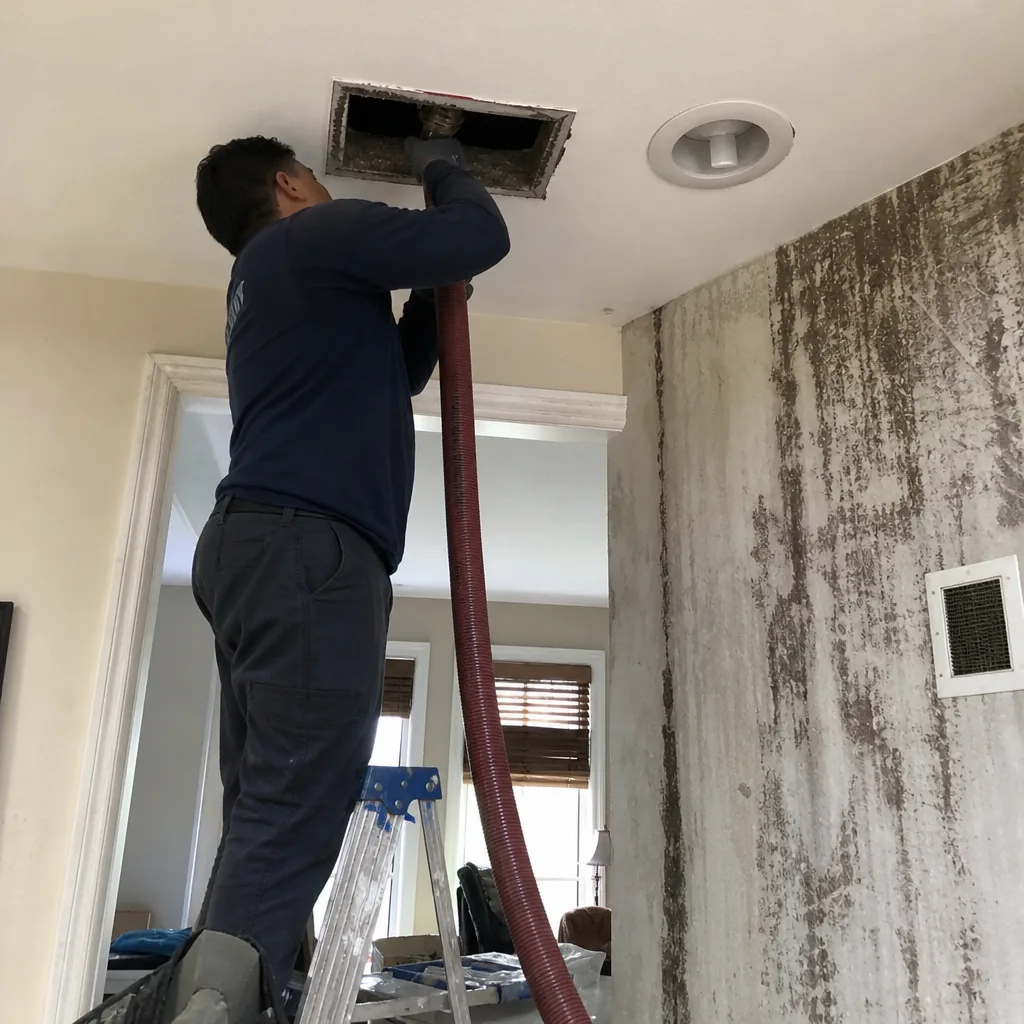 Before
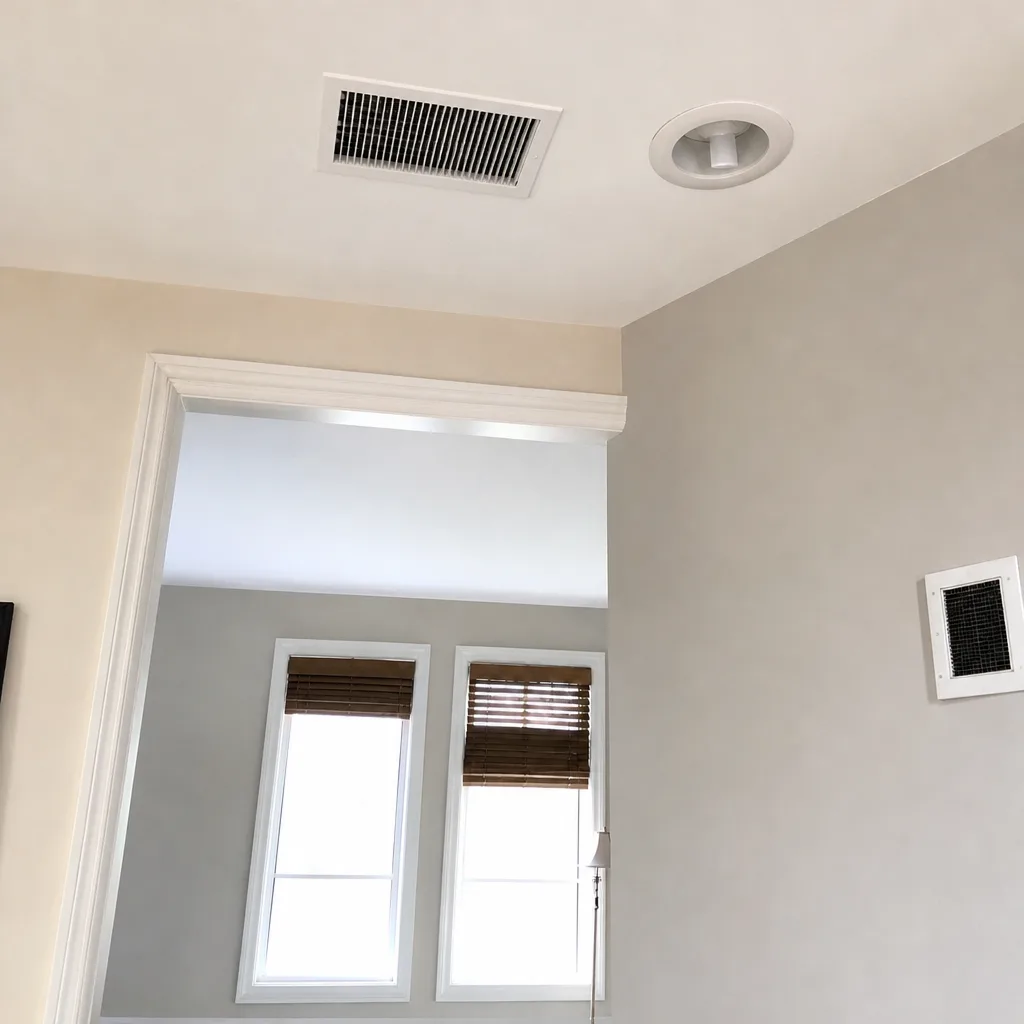 After
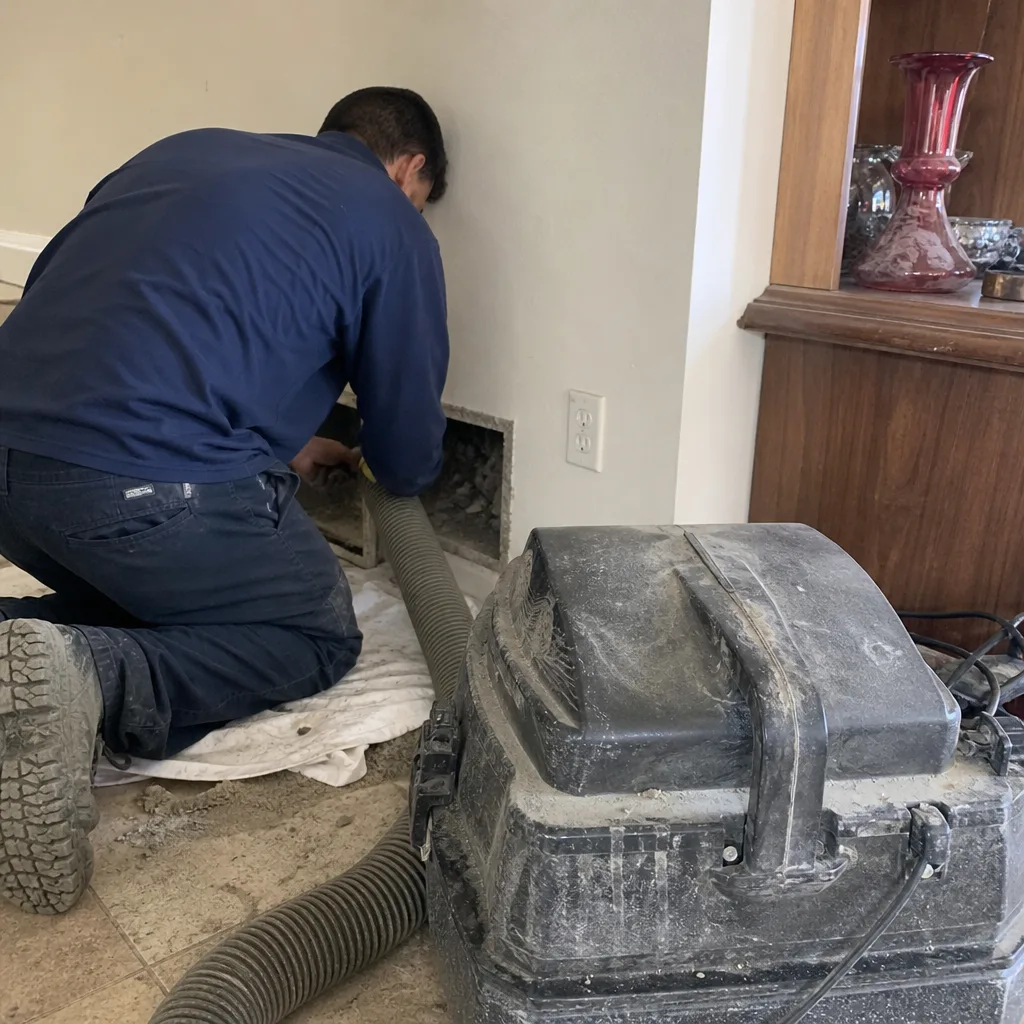 Before
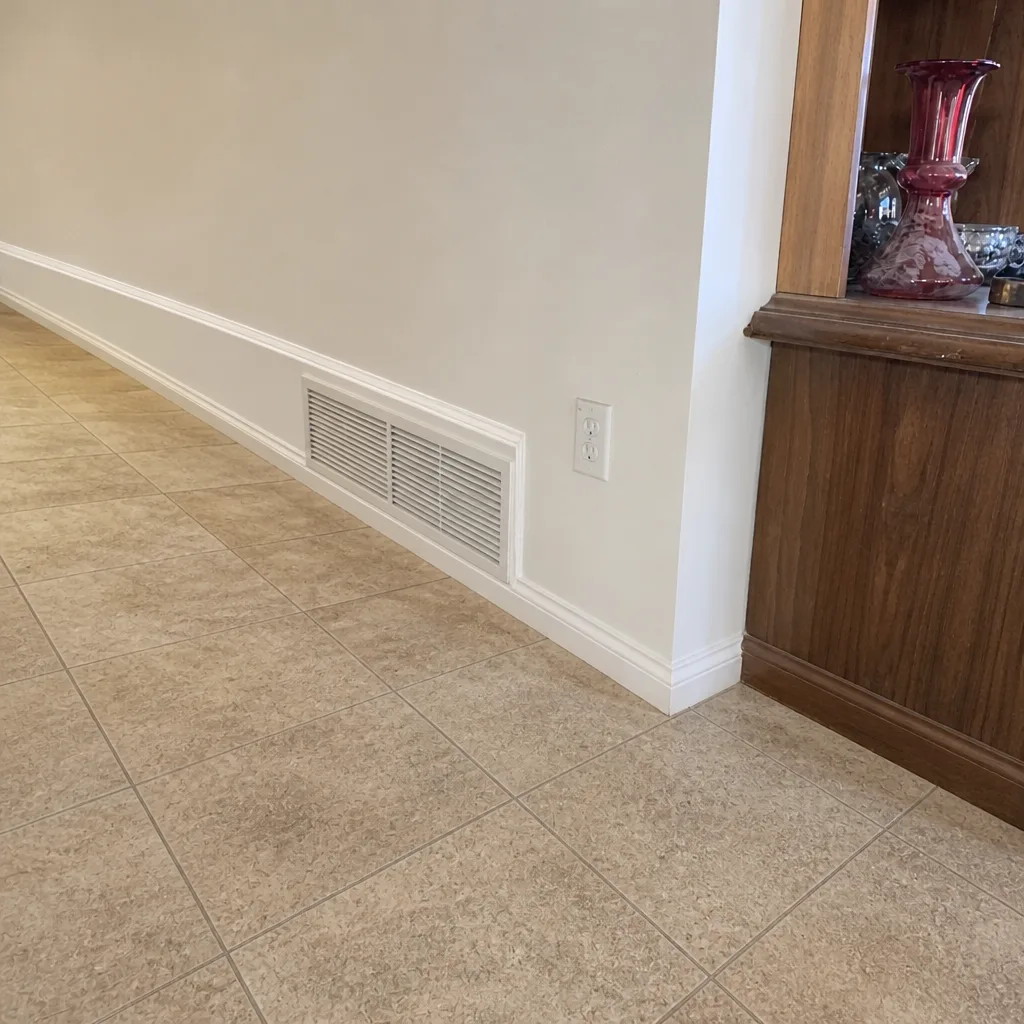 After
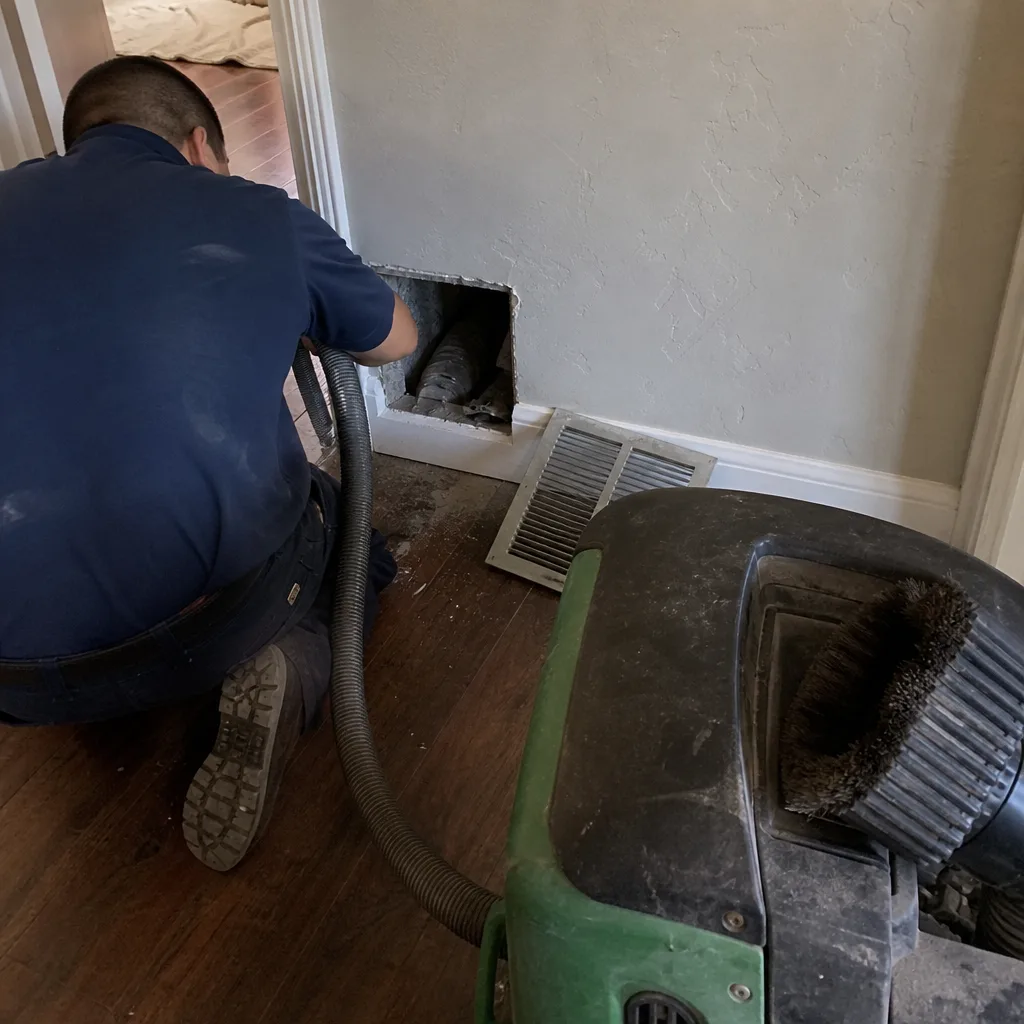 Before
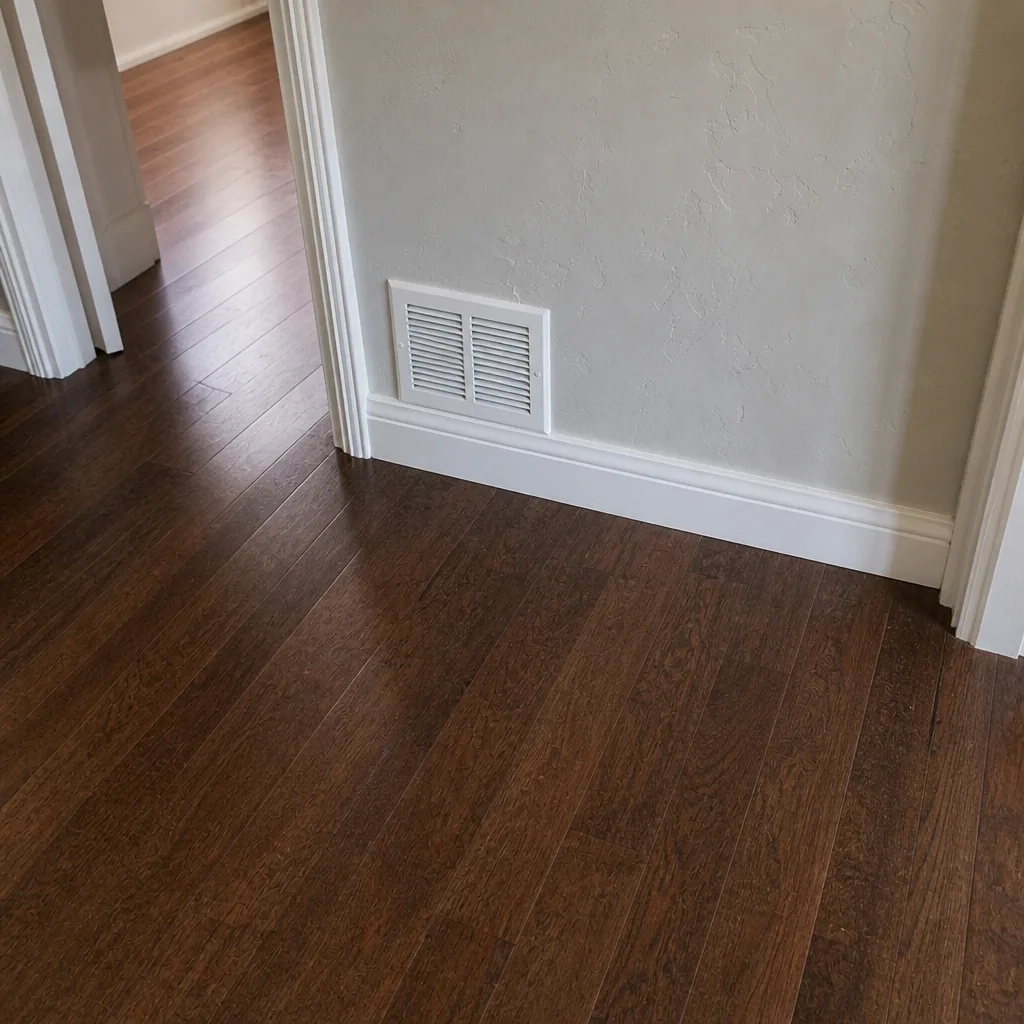 After
When to Call a Professional
There’s a clear line where DIY stops being useful and professional cleaning becomes the right call. Any visible debris at the registers, musty odors coming from the vents, recent renovation dust, a pet in the home, an allergy-sensitive household member, a duct system older than fifteen years, or a dryer vent showing lint buildup at the exterior flapper all point to scheduling the professional service. If you’ve already tried a DIY attempt and the registers still look or smell the same, that’s a sign the system needs HEPA extraction rather than a second rented afternoon.
Book dryer vent cleaning alongside duct work whenever the dryer vent looks loaded up, because that vent isn’t just a dust concern; it’s a fire risk worth addressing once rather than leaving to another visit. Tustin Air Duct Cleaning Pros offers free estimates in Tustin. Call (844) 443-3616 and we’ll walk through what your system needs before any work begins.
Frequently Asked Questions
Not effectively. A shop vac generates a fraction of the suction volume required to pull settled debris through a duct run, so what it loosens often resettles downstream rather than leaving the system. Shop vacs are fine for the register boots and the visible face of the grilles, but they’re not designed to do the duct runs themselves. Call (844) 443-3616 for an exact quote if you want a professional assessment of your system.
Every few years is a reasonable default for most Tustin homes, with shorter intervals if there’s a pet, allergy-sensitive resident, recent renovation, or an older HVAC system. Homes near mature tree canopy in older neighborhoods tend to need it more often because of pollen load. If you can’t remember the last time the ducts were cleaned, it’s a good time to schedule an inspection. Call us for a free estimate.
Low advertised quotes are usually per-vent hook prices that grow on site with fees for additional vents, “inspection”, or add-ons that weren’t disclosed. The final bill is often far above the number that was advertised. A written per-system estimate before work starts is the honest alternative. Call (844) 443-3616 for an exact quote before deciding.
Ask for before-and-after photos of your own ducts and registers. That’s the simplest way to see that the debris has actually been removed, not just agitated. Any professional duct cleaning company using HEPA extraction and rotary brush equipment can document the work. Call us for details on how our process works.
Only for surface-level tasks: washing the grilles, wiping the return filter housing, vacuuming the visible register boot, and checking the dryer vent flapper from outside. Anything past the register opening is where the DIY route becomes a physics problem rather than a cleaning one. If the work involves reaching into the ducts, book the professional version.
A truck-mounted or HEPA extraction system that pulls debris out of the whole duct run, a rotary brush head for the inside of each run, HEPA filtration so nothing is exhausted into the living space, and – with providers like us – duct inspection and sealing to fix the leaks that would otherwise re-contaminate the system. We also offer HVAC cleaning so the whole air pathway gets addressed in one visit rather than one segment at a time. The team at Tustin Air Duct Cleaning Pros is set up for that full-system approach. Call (844) 443-3616 for a free estimate.
The Bottom Line
DIY air duct cleaning isn’t a question of whether a homeowner is willing to put in the effort. It’s a question of whether consumer equipment can generate enough airflow to extract settled debris from a real duct run, and the honest answer is that it can’t. Wash the grilles, wipe the filter housing, and check the dryer vent flapper yourself. For anything past the register opening, bring in a professional system with real negative-pressure extraction, HEPA filtration, and the capability to inspect and seal the ducts afterward. In Tustin’s year-round HVAC climate, that distinction is the difference between clean air and air that just looks that way. Call (844) 443-3616 for a free estimate.
Written by the team at Tustin Air Duct Cleaning Pros.